
Super Nature Review: A Radical Love Letter to Nature
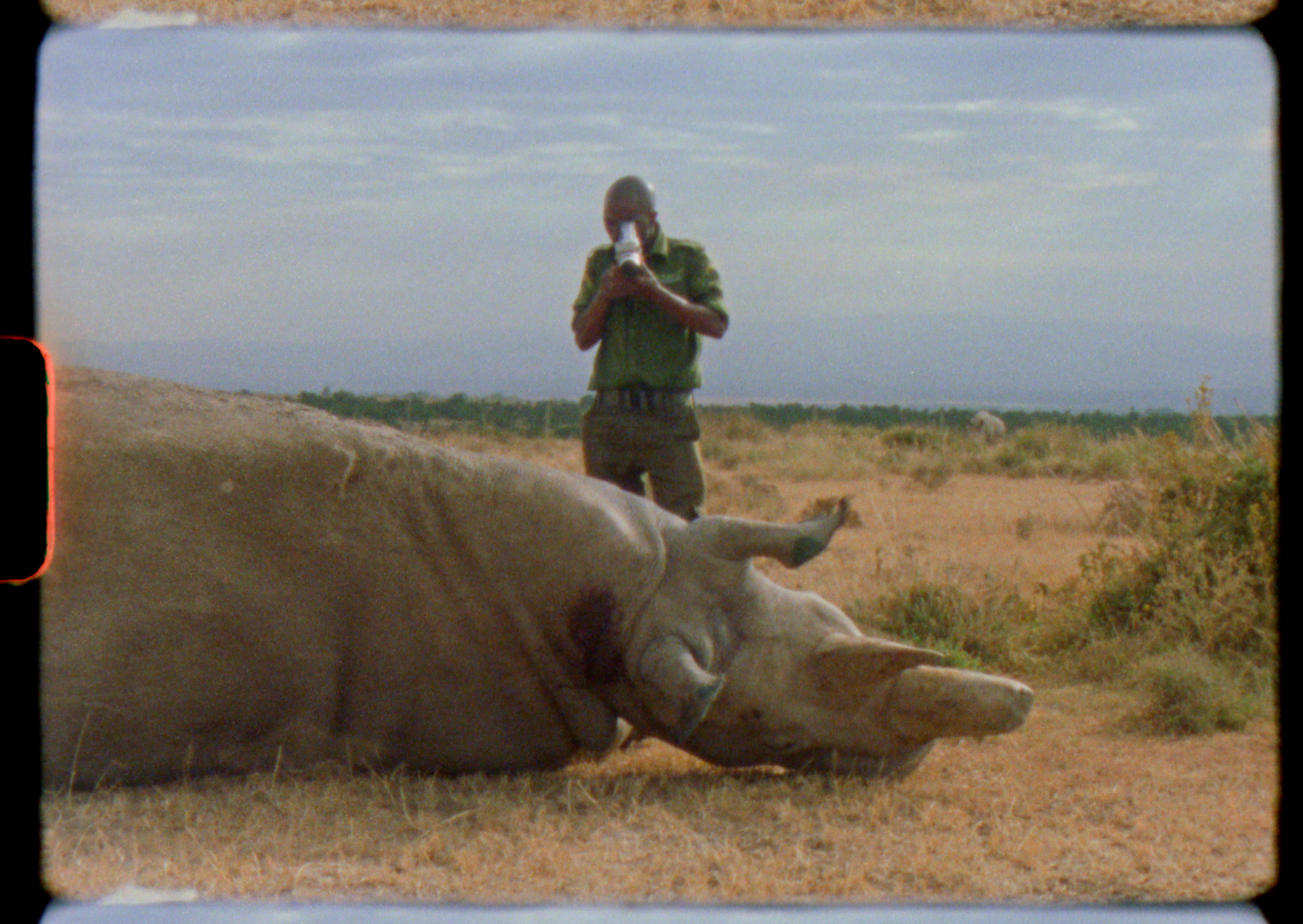
A few years ago, I came across a working Super 8 camera in a charity shop. I yearned for it with a ridiculous intensity. I told myself, after walking away from it, that it would have been a foolish purchase anyway, as I couldn’t possibly afford it at the time. But the friend I was with saw just how much I wanted it, and how heartbroken I was to leave it behind, so they very kindly gifted it to me. It’s a beautiful camera, but it sits on my desk slowly gathering dust. I tell myself regularly that I’ll get film for it one day and finally make the little film I want to make. A silly project, really; I just want to make little model houses and film my pet tarantula walking among them. Mimicking those awful old monster B-movies, like The Giant Gila Monster, that I adored so much as a child. I always loved that they were often just normal animals walking among badly made miniatures, interspersed with close-up shots of panicked, screaming faces.
I’ve never even used a Super 8; I have no practical nostalgia for it in that sense. But its tangibility, and the very particular look of the film, has always been embedded in my mind from seeing old footage of people, animals and landscapes. Snapshots of life from a myriad of everyday people, because it was a camera that anyone could use. As the world moved on from film to videotape, and then into digital, the Super 8 camera nearly died out and sales dwindled dramatically. But the passion of those who loved the camera and its unique properties eventually led to a resurgence in its popularity, and film stock is still produced for it to this day. Watching Super Nature reminded me just how special these cameras are; after seeing it, I went home and finally ordered some film.
Super Nature, Ed Sayers’ feature debut, is an exquisite love letter to the world around us and humanity’s place within it. Spanning continents, contributors from around the globe were sent Super 8 cameras to film with. A massive communal project composed of a myriad of voices speaking about the world around them and their love for nature. It’s incredibly intimate, not least because a Super 8 camera demands intimacy through its use. It’s a film championing the Super 8 camera, the natural world, and humanity with immersive and affectionate reverence.

For many years, I’ve found myself dreading the idea of watching new nature documentaries. As a child, I watched every documentary I came across. I read endless books about all sorts of creatures. I developed a lifelong interest in birding and in seeking out the animals around me when walking. I’ll never not want to feel immersed in, and learn about, the natural world. But in recent years, every documentary I watch feels like a miserable exercise, one in which I’m told that we are killing the planet and that it is somehow my personal fault. Many adopt a tone in which we’re portrayed as outsiders to the natural world rather than part of it. The responsibility and shame for the environmental crisis are placed upon the everyday people sitting down to watch. It creates a sense of impotence and despair that I find difficult to cope with.
Individually, we are not responsible for the climate crisis. A very small percentage of people on the planet create the vast majority of carbon emissions. Capitalism has constructed a system in which planetary destruction is profitable for powerful corporations, governments and individuals with immense wealth. They consistently use whatever means necessary to maintain structures that are devastating not only on a planetary scale but on a human one. The systems in place rely upon, and actively encourage, a sense of disconnect and apathy towards the natural world. Those who fight on its behalf are often punished and portrayed as foolish. Of course, we must all do what we can to exist in the world kindly and with respect for it. We should never feel that personal action is meaningless. But the focus on personal carbon footprints and similar narratives, directed at those who have comparatively little planetary impact, operates as deliberate obfuscation, individualising systemic violence.
Many nature documentaries treat humanity as a planetary ill rather than interrogating the systemic forces driving the climate crisis. We are framed as a disease destined to destroy whatever we touch. It is perhaps an attempt to motivate change, but it is entirely misplaced. Shame has never been an effective motivator. Making those who love nature feel powerless and despairing does nothing to remind us of our collective strength. Super Nature defies this exhausting convention by celebrating humanity as an integral part of nature. Capable of being extraordinary caretakers; embracing the world, and being embraced by it.
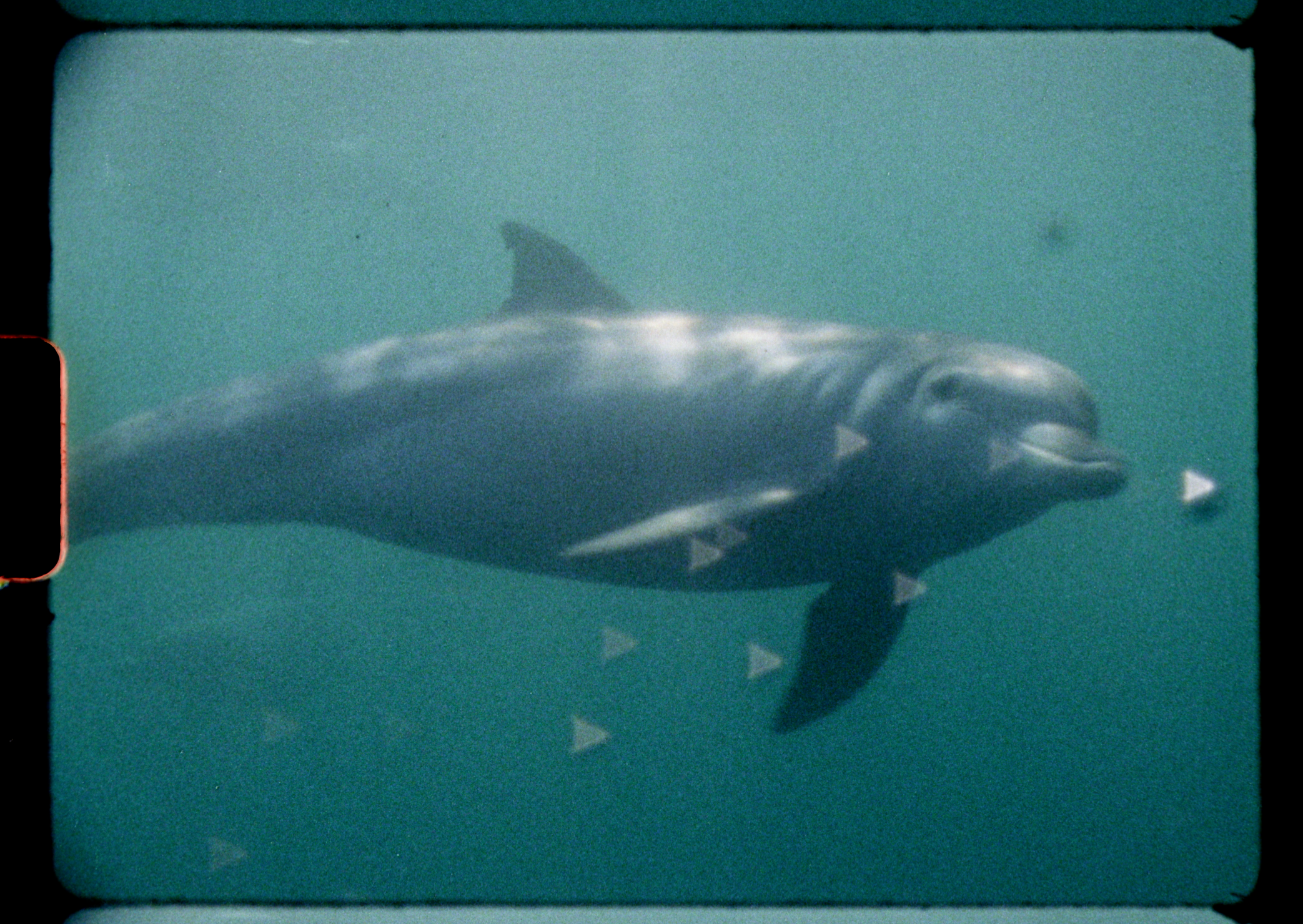
We travel across the globe and are shown exquisite, intimate footage of nature in all its vast diversity, from the most common, everyday insects to the rarest and most near-extinct large mammal. Each sequence is accompanied by the contributor who filmed it, sharing how they captured the footage and reflecting on their relationship with the natural world. Their philosophies, emotions and lived experiences are woven throughout. Their presence may be brief, but their openness and passion are profoundly revealing. A chorus of voices presenting themselves as intimately as they present the landscapes and animals they film. It fosters a powerful sense of community and closeness, and a profound optimism. Edited with extraordinary care and supported by an evocative soundtrack and score, the film unfolds as a warm, well-paced and deeply considered whole.
Super Nature does not ignore the climate emergency, global warming, or large-scale pollution. But rather than centring shame or despair, it celebrates those who dedicate themselves to caring for the planet. It reinforces that we are not separate observers standing at a distance. We are part of the world, capable of moving within it with love and responsibility.
We can learn from nature by immersing ourselves in it, and we can use our strengths as a species to help it flourish. The scale of the crisis may seem monstrous, but collectively we are greater than the systems that profit from environmental destruction. Super Nature introduces us to people deeply affected by the same systemic violence that harms their homes and the ecosystems they cherish. It reminds us that we are nature; our fate is interwoven with the world we inhabit. We fight as part of the natural world, not apart from it. The film radiates love, joy and determination. It suggests that optimism is not naïve but necessary. That we can win.
OUR VERDICT
Super Nature is a deeply loving and profound documentary celebrating the natural world, the people who cherish it, and the art form that allows us to record it. Unique in scope and crafted with devotion, it stands as one of the most tender and optimistic examinations of both the climate crisis and humanity’s place within it. It balances reverence for the array of animals and landscapes it shows us alongside its philosophical and earnest presentation of humanity, and of our place within nature. A triumphant piece of documentary filmmaking, exquisitely edited together to take the viewer on a journey they will never forget.
Words: Arete Noctua, Film Features Editor & Writer @ Féroce Magazine
Arete is Féroce’s Film Editor, overseeing the magazine’s film coverage through incisive short-form reviews and longer anthology pieces. Their writing explores cinema as both art form and social mirror, examining how iconic films reflect, challenge and shape the cultural moments they emerge from.
With a critical and respected voice in the community, Arete situates film within wider political, aesthetic and historical contexts, drawing connections between screen narratives and cinema history.
Their editorial approach balances close analysis with broader cultural insight, offering readers thoughtful criticism that moves beyond ratings or hype to consider film’s lasting impact, relevance and position within society.