
by Brian James
In a world where the word ‘icon’ is hugely overused and has lost much of its original significance, David Bowie remains a truly iconic figure, ten years after his passing. A creative chameleon whose multi-chaptered, multidisciplinary career tapped into not just one, but successive zeitgeists, his musical and wider cultural relevance continues to resonate today.
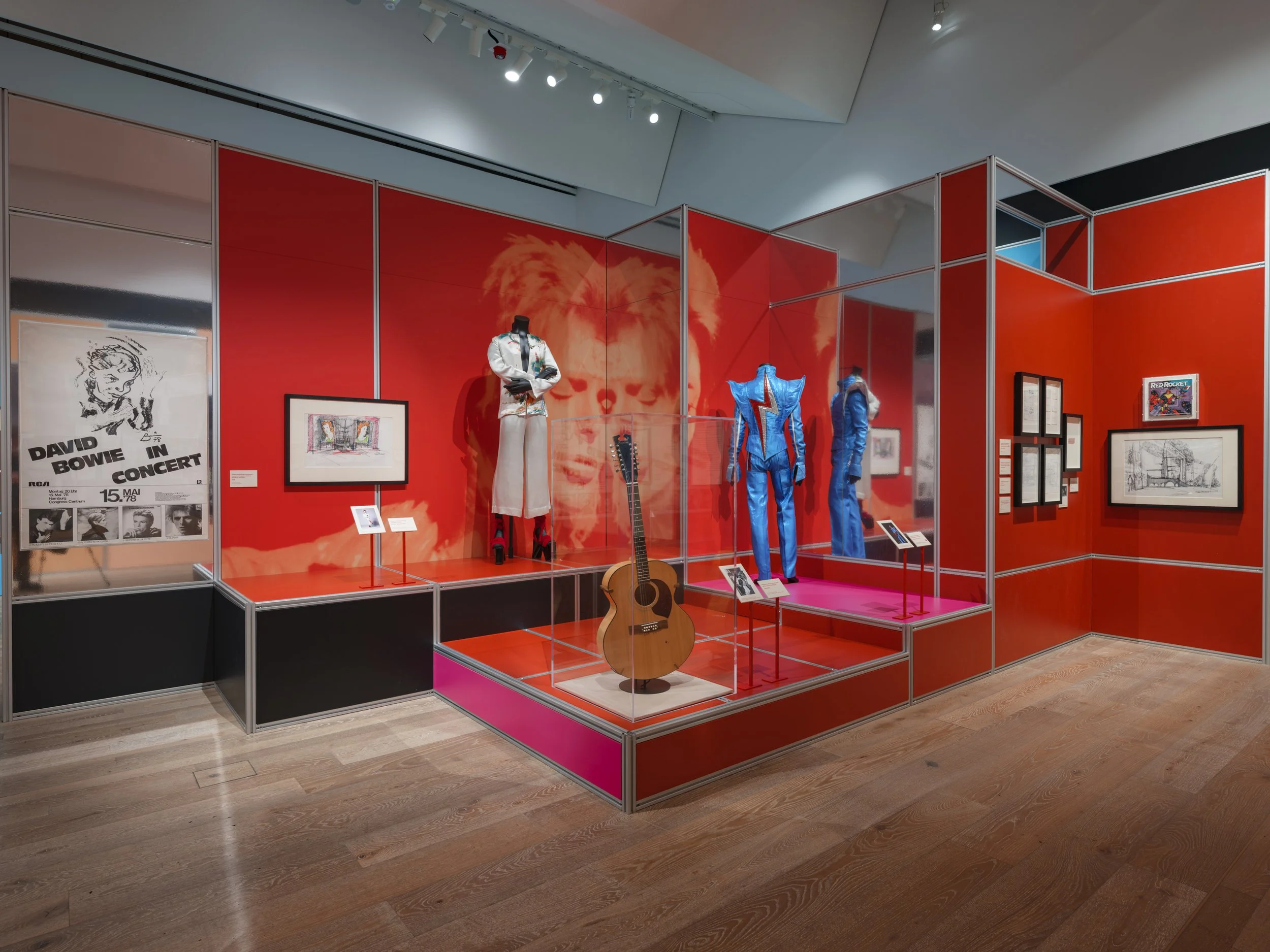
The 8th January 2027 marks what would have been his 80th birthday, and V&A Dundee, whose parent London museum is home to the David Bowie archive, is hosting an exhibition, ‘David Bowie: On Tour’, which runs from 4th November 2026 to 15th February 2027. Bringing Bowie’s story and creative imagination to audiences in Scotland before touring to venues across the UK, it charts his five decades of groundbreaking creative work and a polymathic practice which explored music, theatre, dance, film, fashion, photography and art.
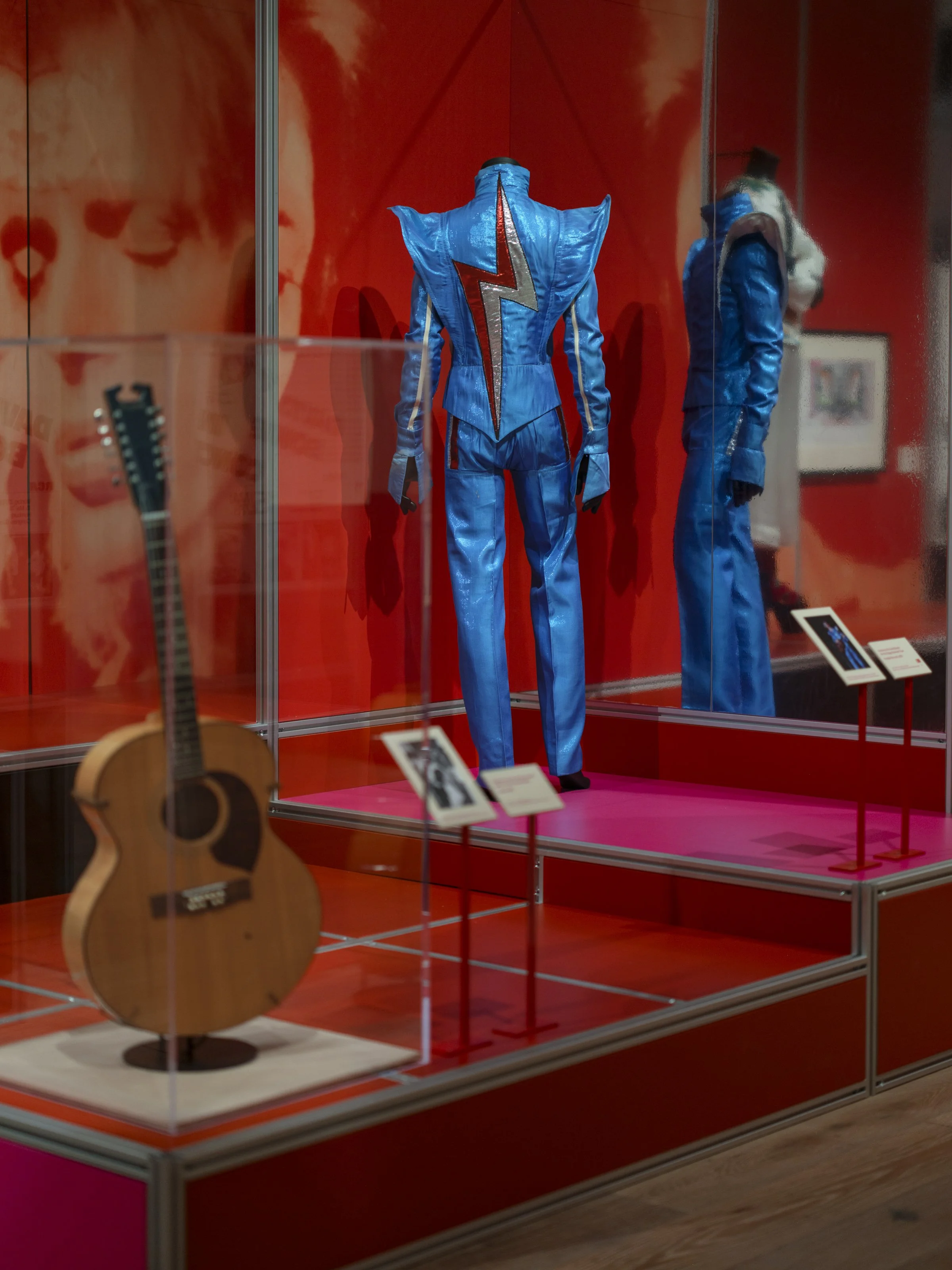
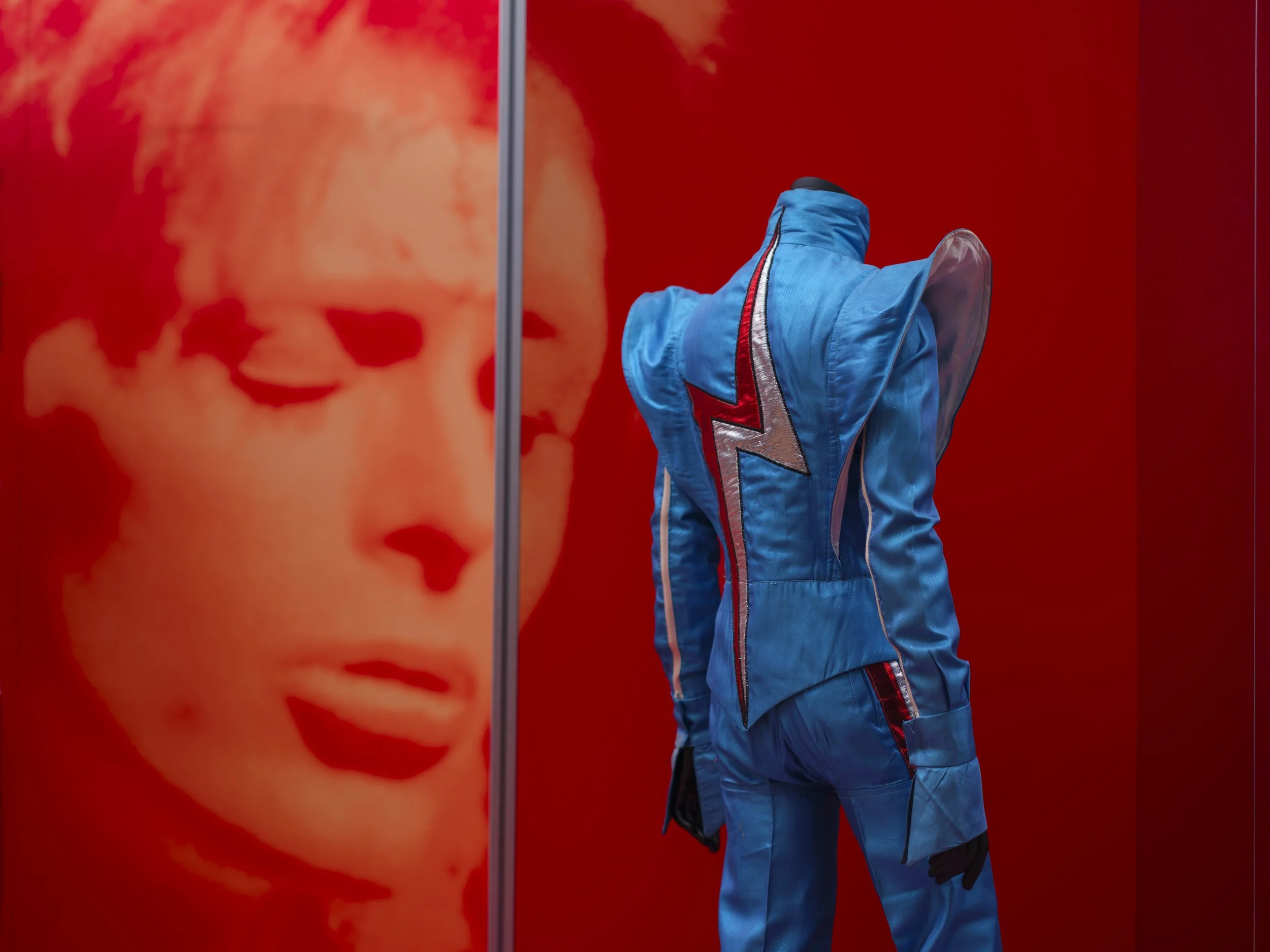
In a grim and grey 1970s Britain, Bowie burst into the nation's consciousness and onto television screens, an androgynous, jumpsuit-wearing, platform-booted, almost alien-like being in full make-up who not only changed the face of music but also challenged societal assumptions about gender and identity. The visualisation of his alter ego Ziggy Stardust, the inspiration behind the seminal 1972 album ‘The Rise and Fall of Ziggy Stardust and the Spiders from Mars’, Bowie toured that body of work in 1973, playing to 2,500 people at a sold-out concert in Dundee’s Caird Hall.
The concert continues to evoke memories for those who were there. Svetlana Panova, a curator at V&A Dundee, told Féroce: “It’s just incredible that a superstar of Bowie’s calibre played in a city like Dundee. He actually played in Dundee twice, firstly at a small club in the late 60s and then at the Caird Hall. Later in his career he played Glasgow Apollo and Murrayfield Stadium in Edinburgh. The Dundee story is really strong and documented by a photographer called Mick Rock who accompanied him on that 1973 tour, and so we’re very lucky to be able to draw on records that specifically exist.”
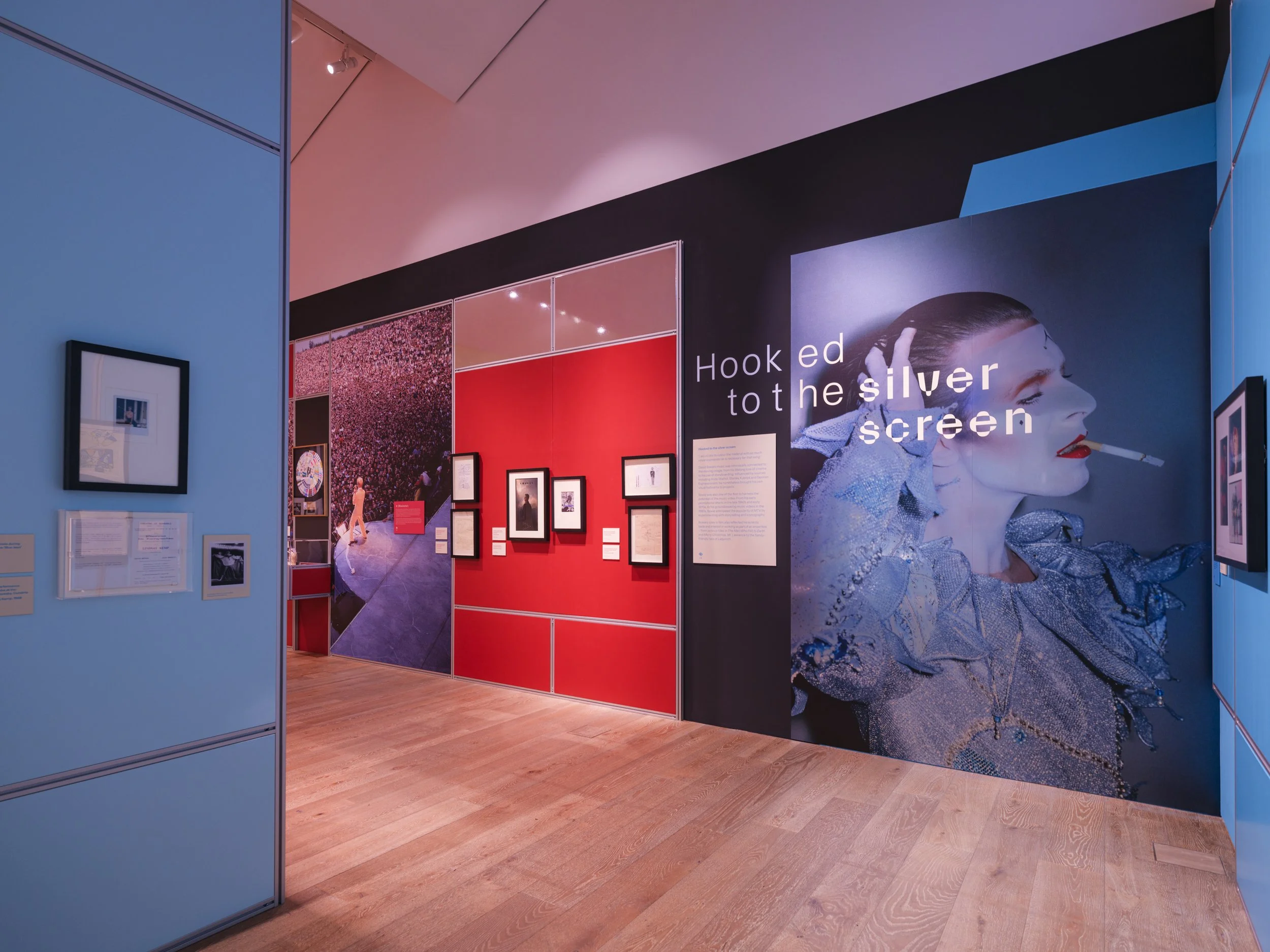
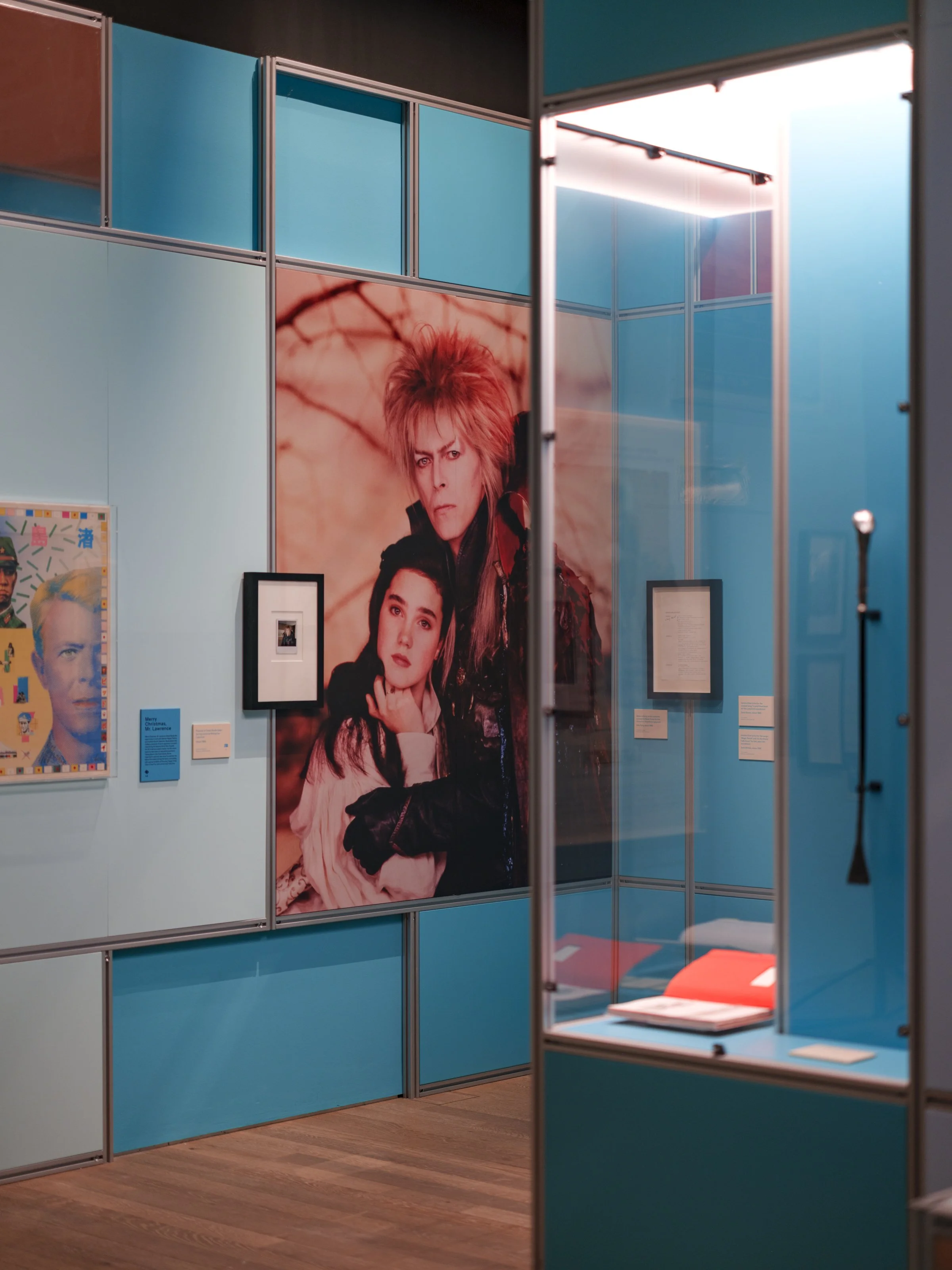
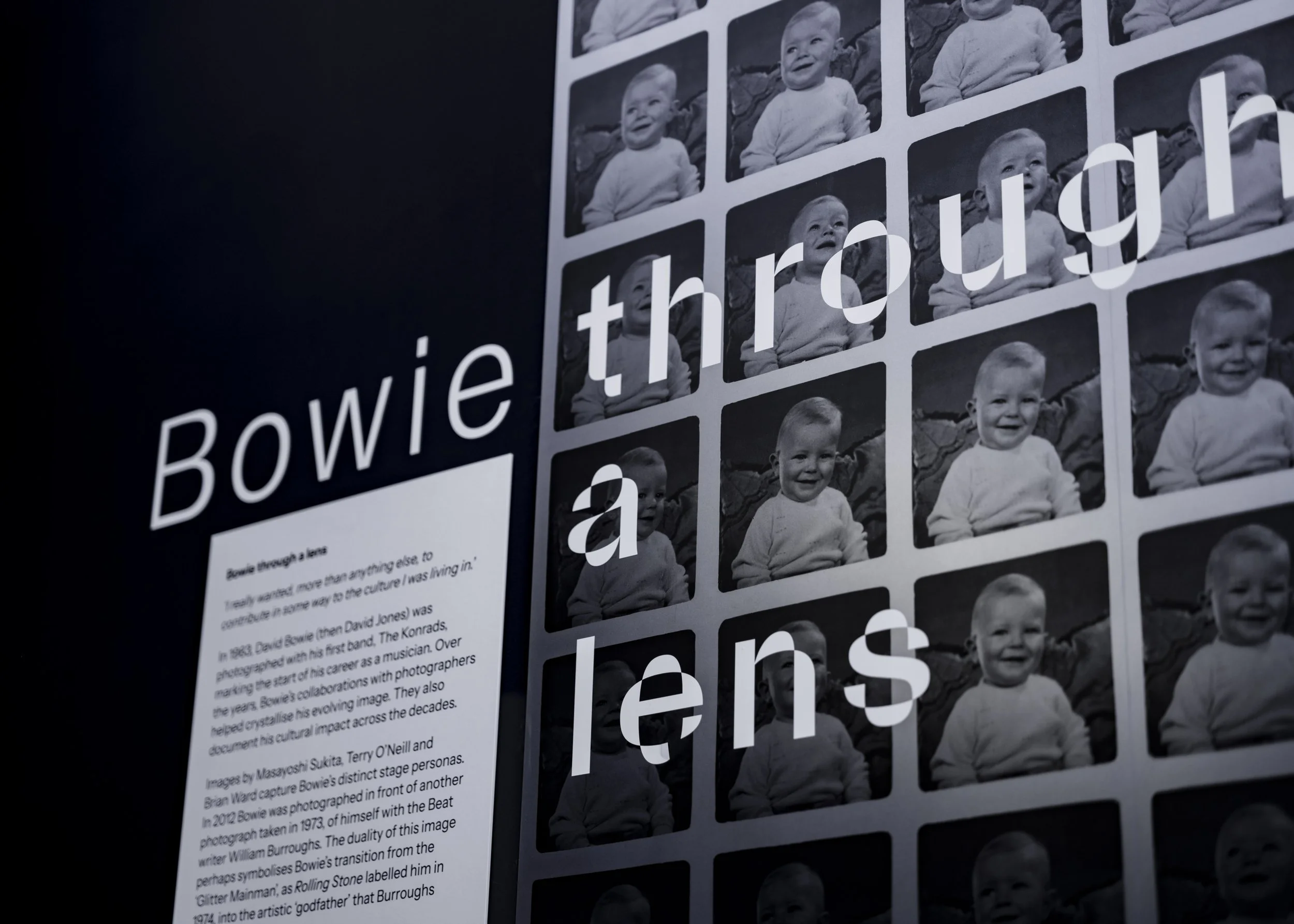
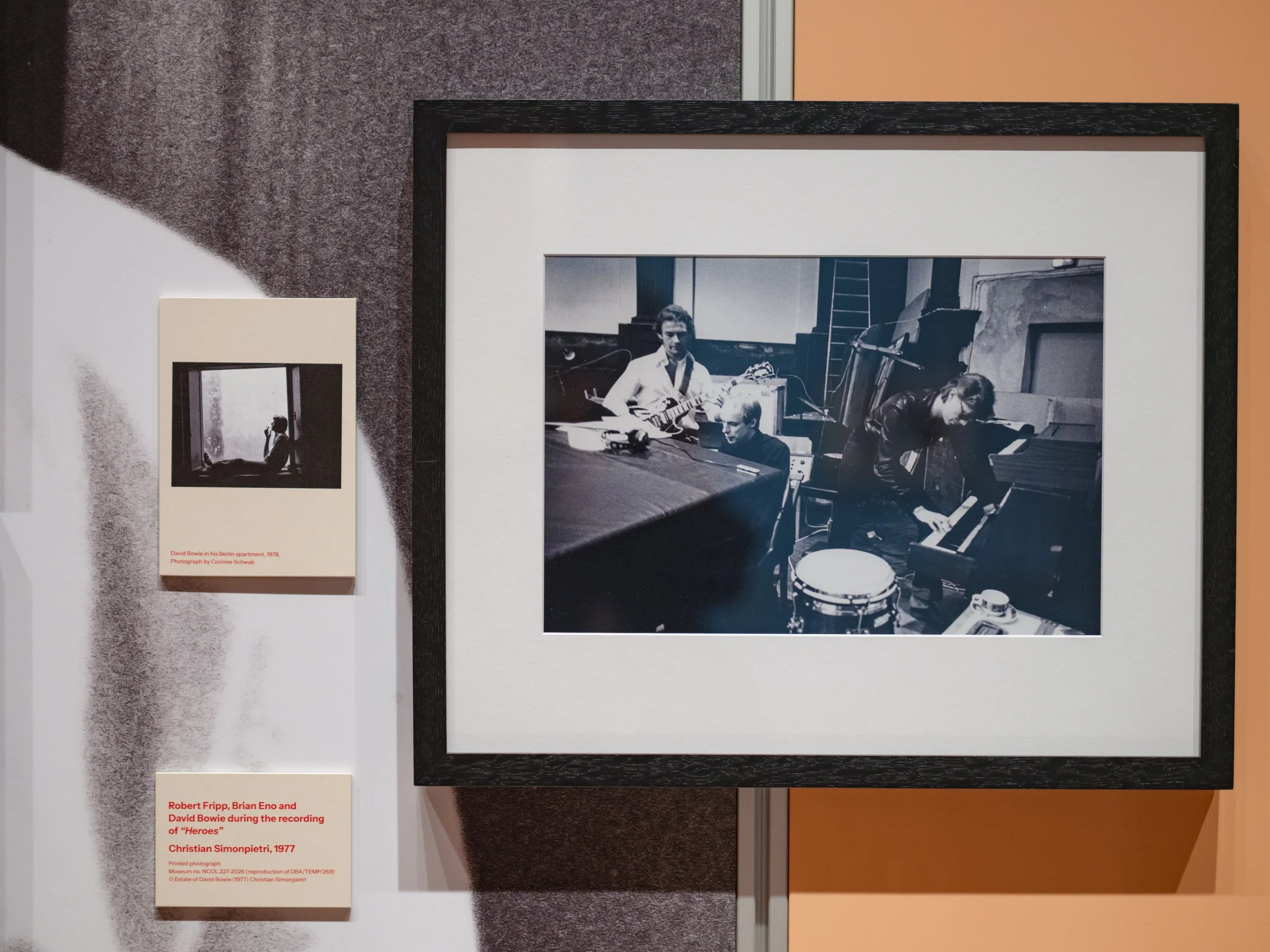
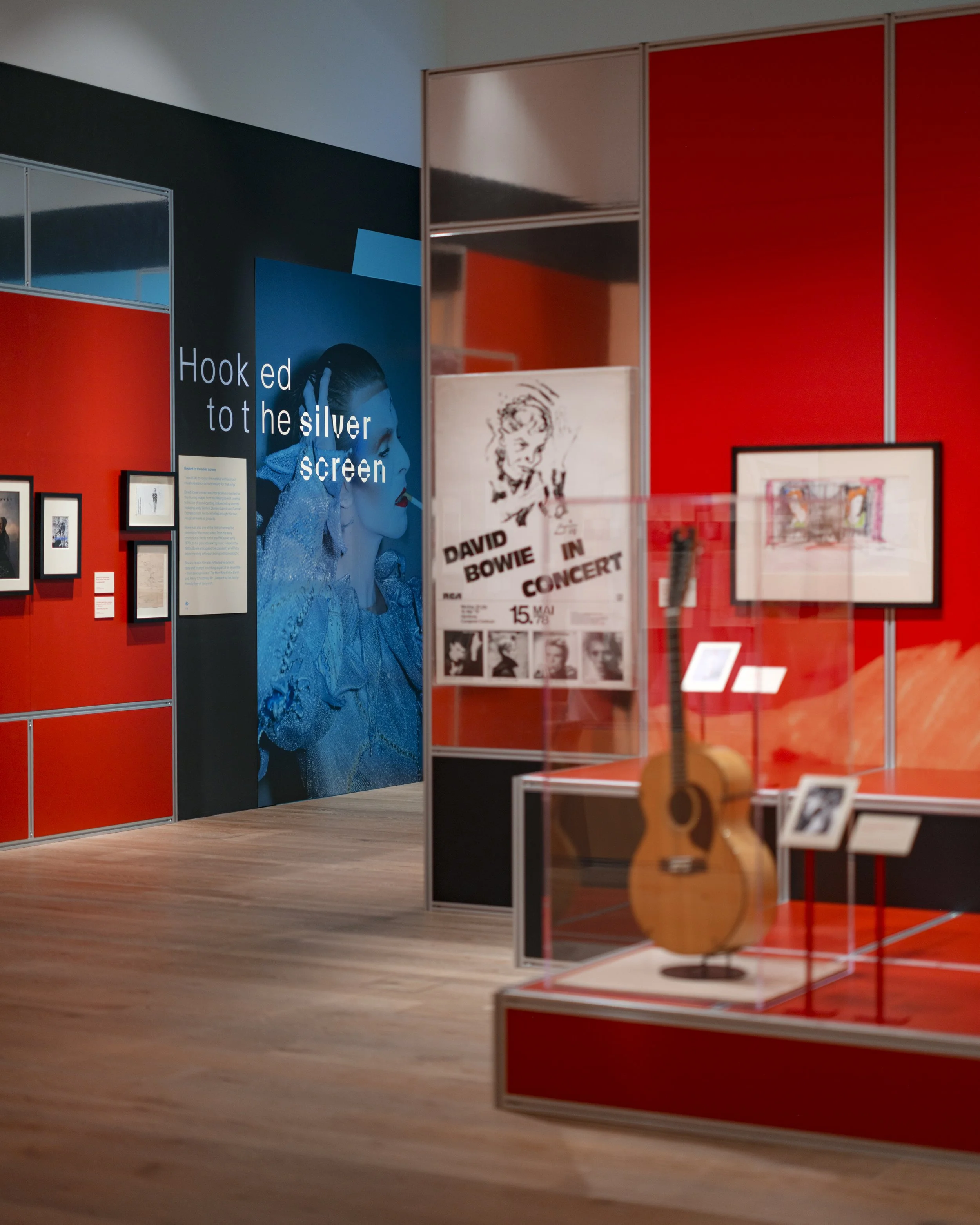
Ziggy was the first of a series of personas that Bowie adopted in a career characterised by continual reinvention in image, musical direction and creative exploration. The exhibition covers all these emblematic eras and is split into four immersive sections. ‘Bowie Through a Lens’ looks at how photography shaped his image and identity; ‘All the Somebody People’ focuses on him onstage and in the studio; ‘Hooked to the Silver Screen’ recalls Bowie’s groundbreaking performances on screen; while the final section, ‘I Can’t Give Everything Away’, reveals some of his personal possessions, including his first instrument, the Grafton alto saxophone bought for him by his father in 1961, and the stopwatch he used when songwriting.
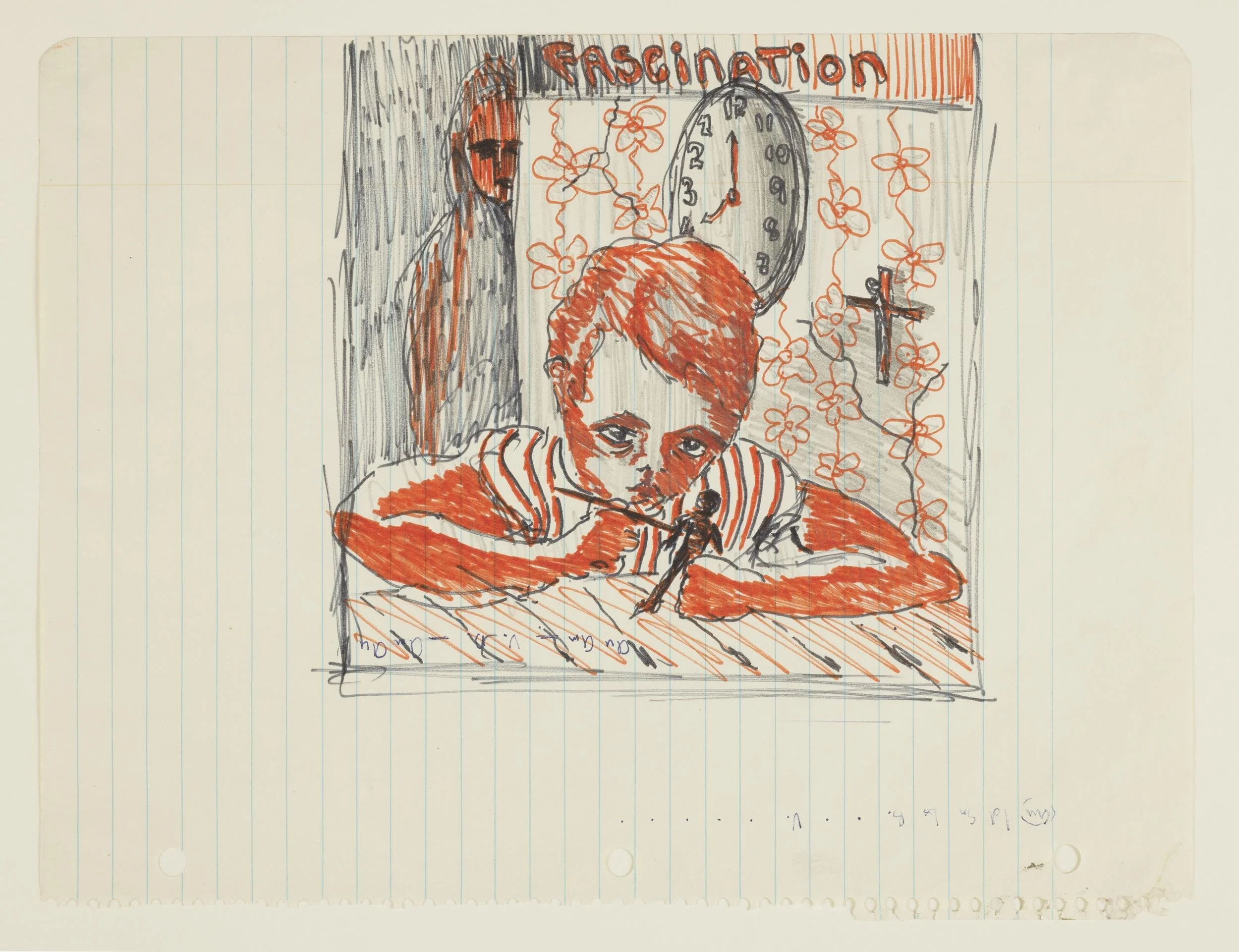
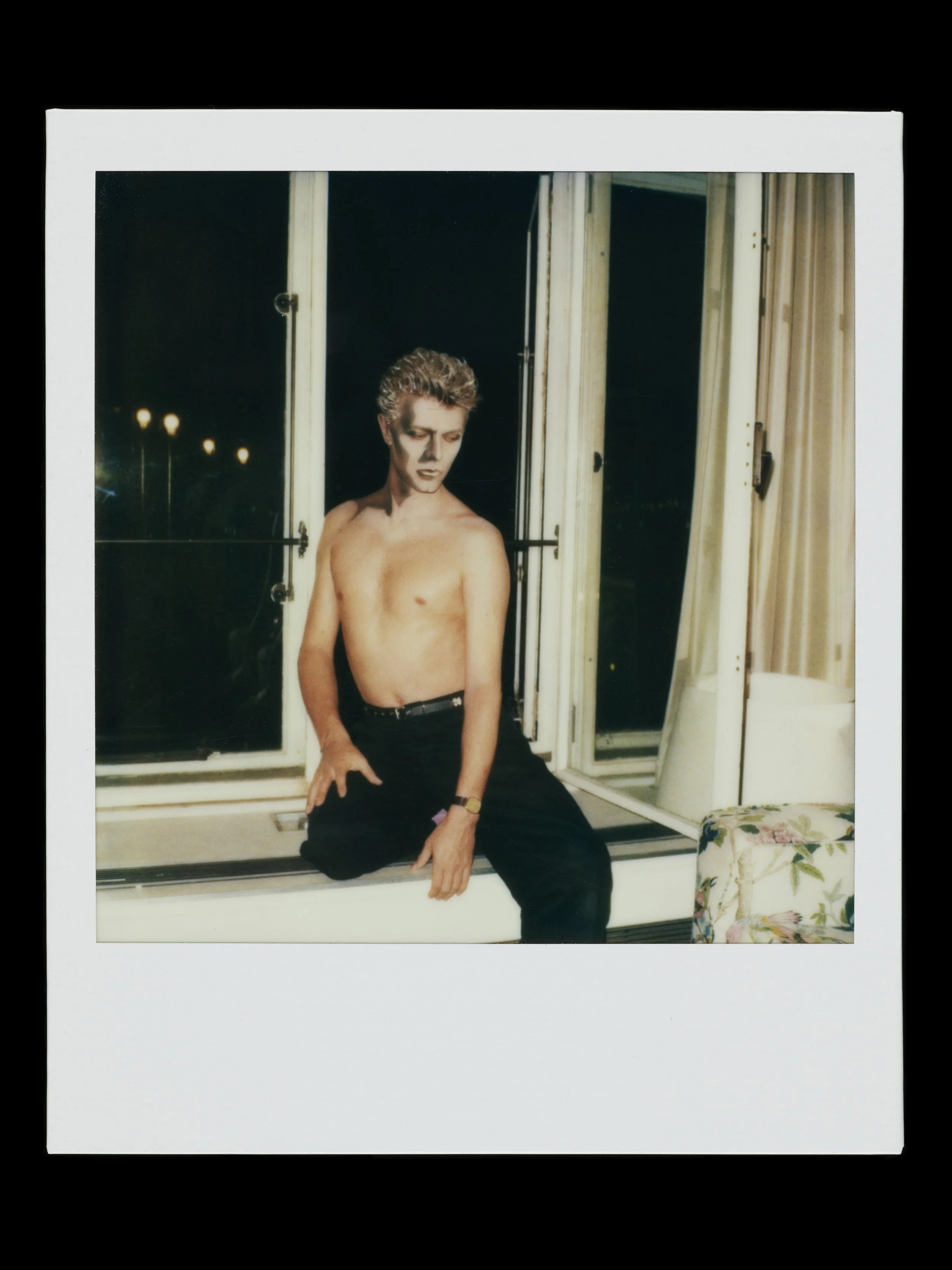
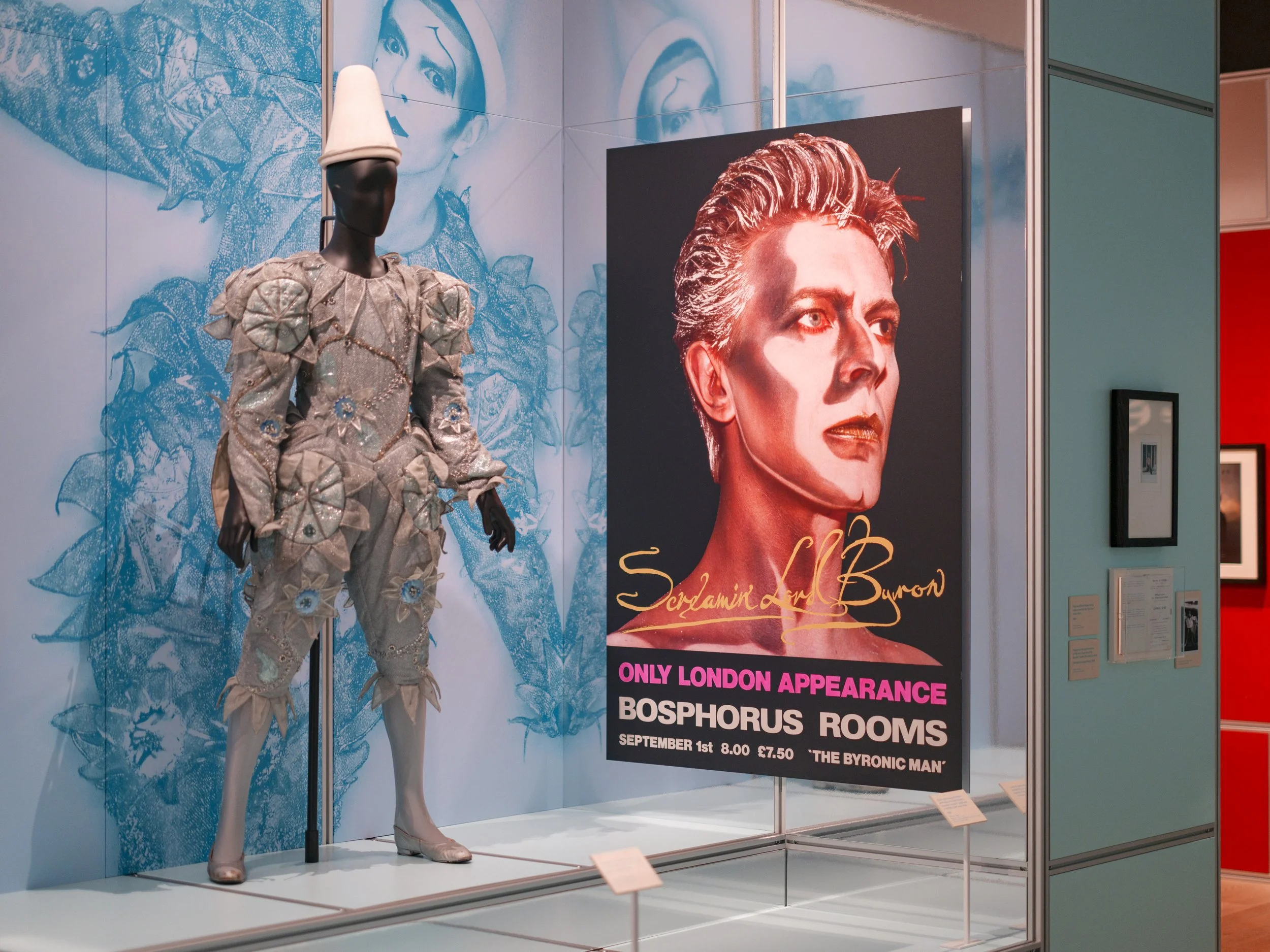
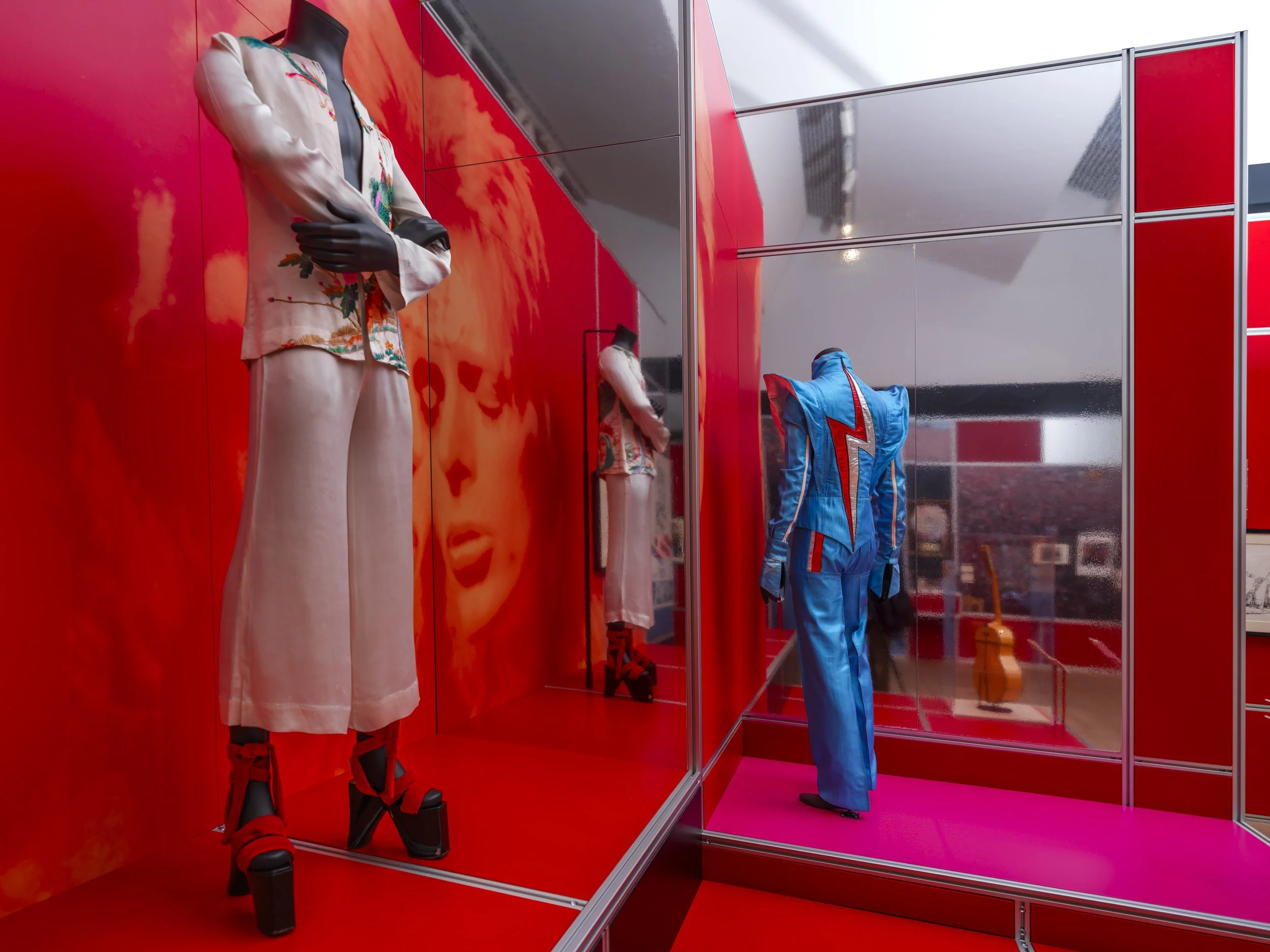
Further items in this carefully curated assemblage of deeply personal archival pieces include the lightning-bolt stage costume he wore on the aforementioned Ziggy Stardust tour, tickets and Polaroids from the Dundee leg of that tour, the eerily ethereal clown costume he wore in the ‘Ashes to Ashes’ video, a sketch of his original idea for the album cover of ‘Low’ and the posthumous Grammy he won for his final album, ‘Blackstar’.
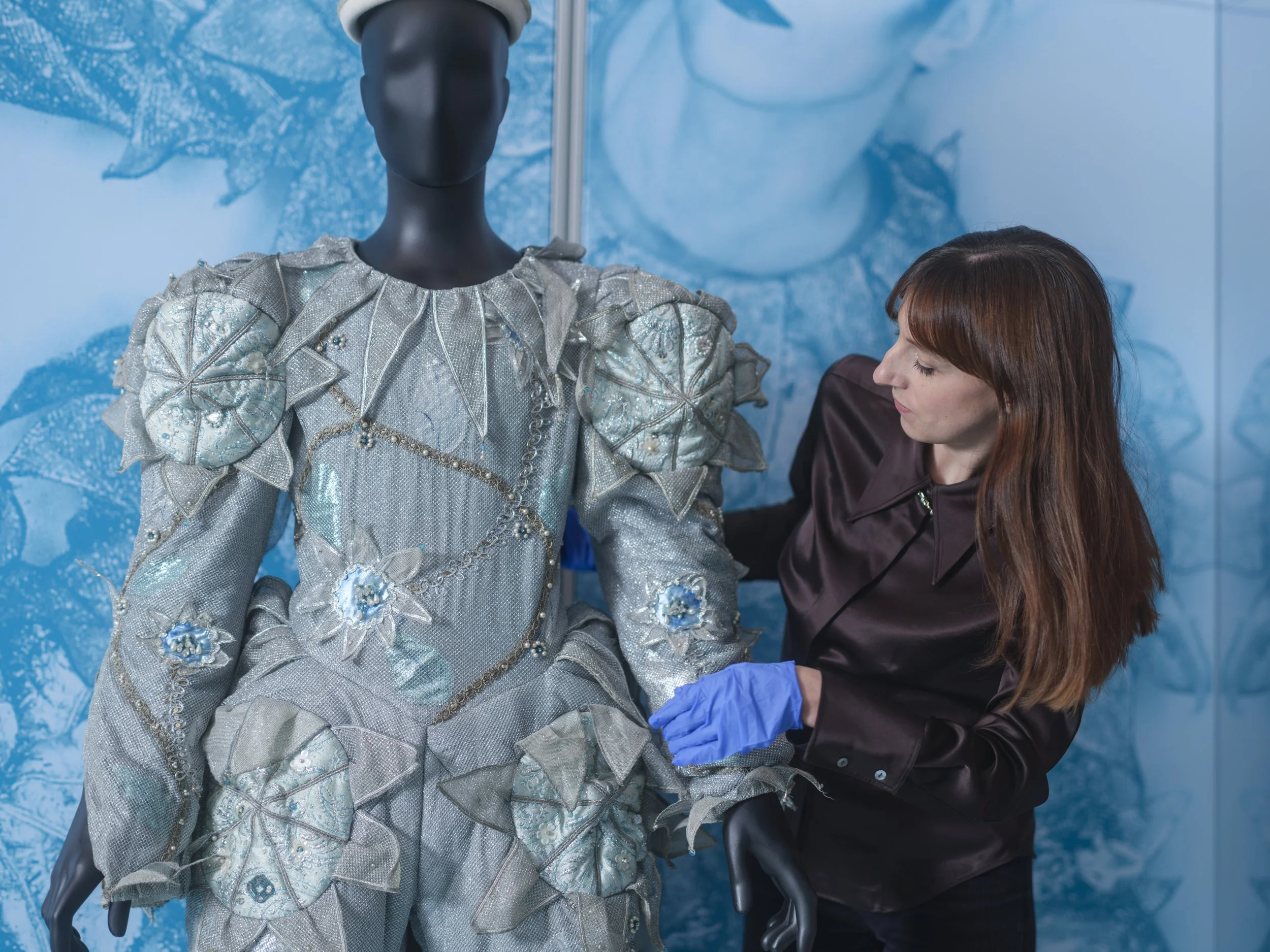
With an archive of 90,000 items to choose from, Féroce asked Harriet Reed, tour curator and Curator of Contemporary Performance at the V&A, how they had selected the 100-plus objects on display. She told us: “It was a privilege and a challenge… When we came to select the objects for the exhibition, there were various things we were thinking about. First off, things that had never been on display before and giving people something new to discover. We really wanted to give the fans who knew a lot something to be surprised about, something new, but also appeal to people who might not have seen the original V&A show and might want to learn about Bowie from a beginner's perspective, and also show the quality of the material. It’s incredible that he kept everything. The costumes are beautiful, we’ve got artwork, handwritten lyrics. It's showing the best of what’s in the collection.”
Asked if any object particularly spoke to her, Harriet told Féroce: “It’s the slightly more mundane, simple objects, like the stopwatch that he used for songwriting, that remind you that he was hardworking and these were his tools he used to create songs, and he used everyday things like us. He was otherworldly, but he was a real person. The sense of the everyday is really special.”
Svetlana echoed those sentiments, saying: “There's a small Polaroid that’s the first object you see as you come into the exhibition, and it’s connected to a letter he sent to his dear friend Tilda Swinton. The photo is incredibly mundane and real. It's then juxtaposed with his connection to the camera and photography… That photograph just feels so natural and real and reminds us that he was a real person with real challenges and patterns, and it sets the tone for how personal the exhibition is.”
A cultural conduit for self-expression and a role model for those unwilling to conform to societal stereotypes, a key part of the endless mythology and enduring fascination which continues to surround Bowie is the ambiguous sexuality which he cultivated throughout his storied career.
Referring to this, Harriet said:
“There’s a very complex history around Bowie and gender and sexuality. He gave a lot of interviews throughout his career which stated one thing and contradicted another. What is really fascinating, and what we returned to again when we were researching him, is what people have taken from him and what he represented. It’s almost entirely disconnected from who he actually was. What he represented was the freedom to experiment, and that sense of freedom continues to be identified with by queer communities and fans, regardless of what he may or may not have been. There's a really great clip on our screen of him performing in drag, so he was really ahead of his time and people take inspiration from that.”
The orchestrator of not only his music but also his constantly evolving image, David Bowie’s life and legacy are ones whose relevance continues to live on, attracting new generations of fans and remaining a source of inspiration for those who were there at the Caird Hall in 1973. That essence is encapsulated in ‘David Bowie: On Tour’, an exhibition which fittingly starts its journey in the small city which played such a big role in his early career.
Brian James is a Fashion Editor , Journalist and Stylist who works between Scotland and London, and has a particular interest in emerging designers and those working across all the creative disciplines who promote an ethical and inclusive ethos
To see more of his work, visit Instagram