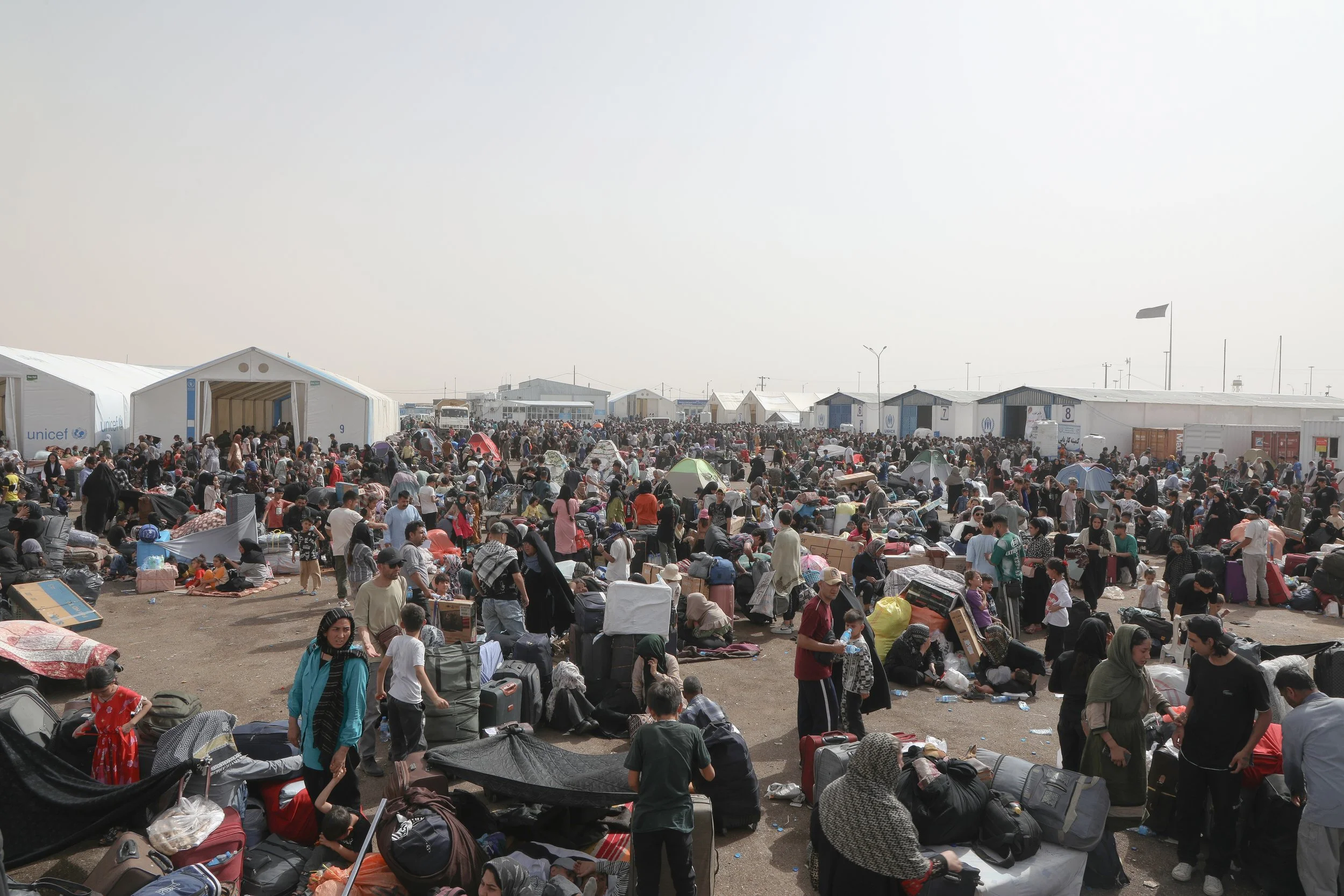
In 2025, an unprecedented wave of forced deportations of Afghan migrants from Iran took place, affecting over 1.5 million people. A large number of these returnees crossed through the Islam Qala–Herat border, where families and individuals waited in long lines under harsh conditions, with limited access to water, food and shelter.
The deportations intensified following the 12-day conflict between Iran and Israel, and many Afghans, including those with legal documentation, were forcibly returned. With Afghanistan’s current governing authorities lacking widespread international recognition, returnees faced an uncertain future in a country struggling with insecurity, widespread unemployment, limited economic opportunities and scarce basic services.
This photo series documents:
The forced return of families and individuals at the Islam Qala border.
Harsh living conditions and long waiting lines.
Vulnerable children, women and older people.
The human dimension and social impact of forced return.
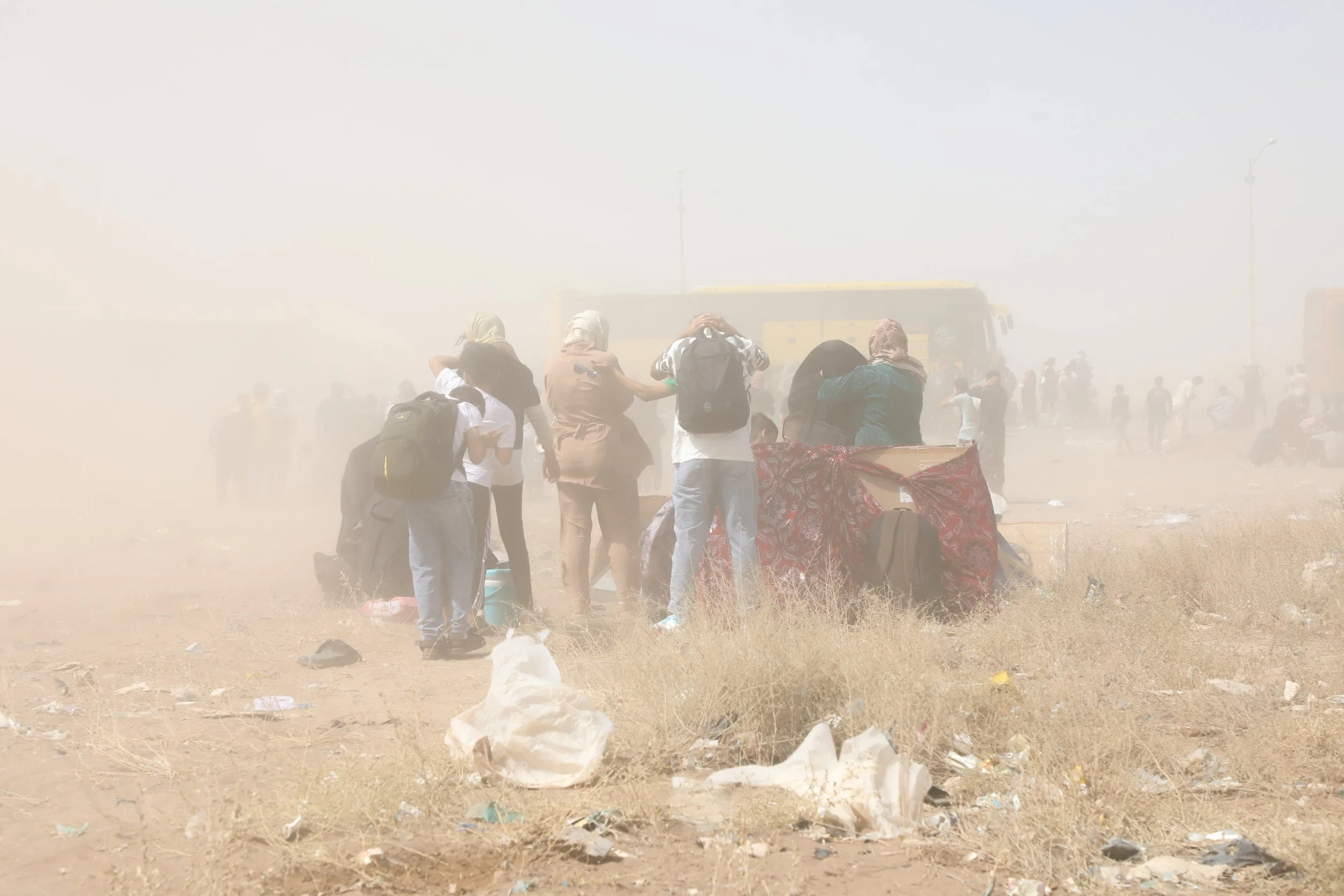
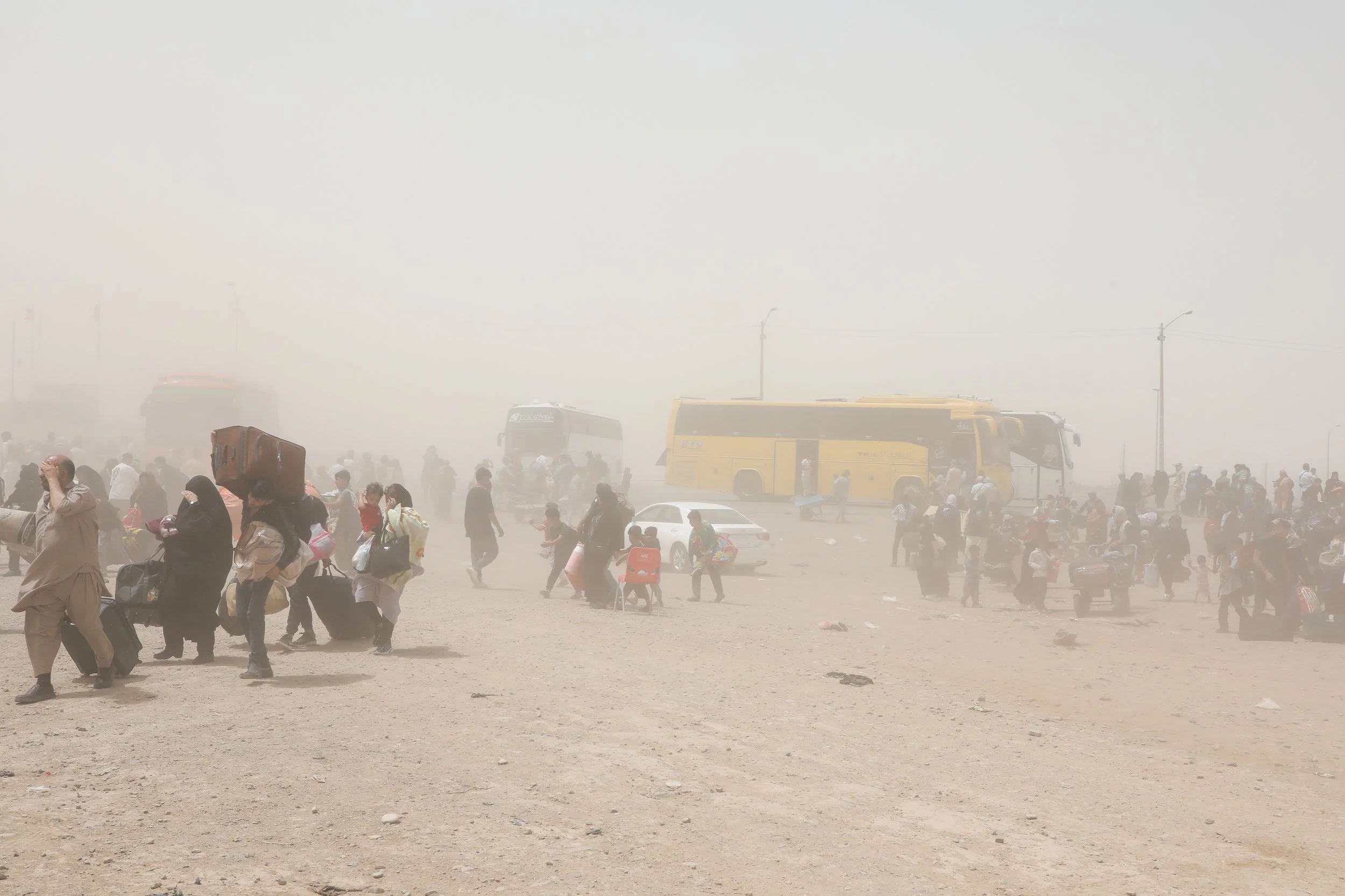
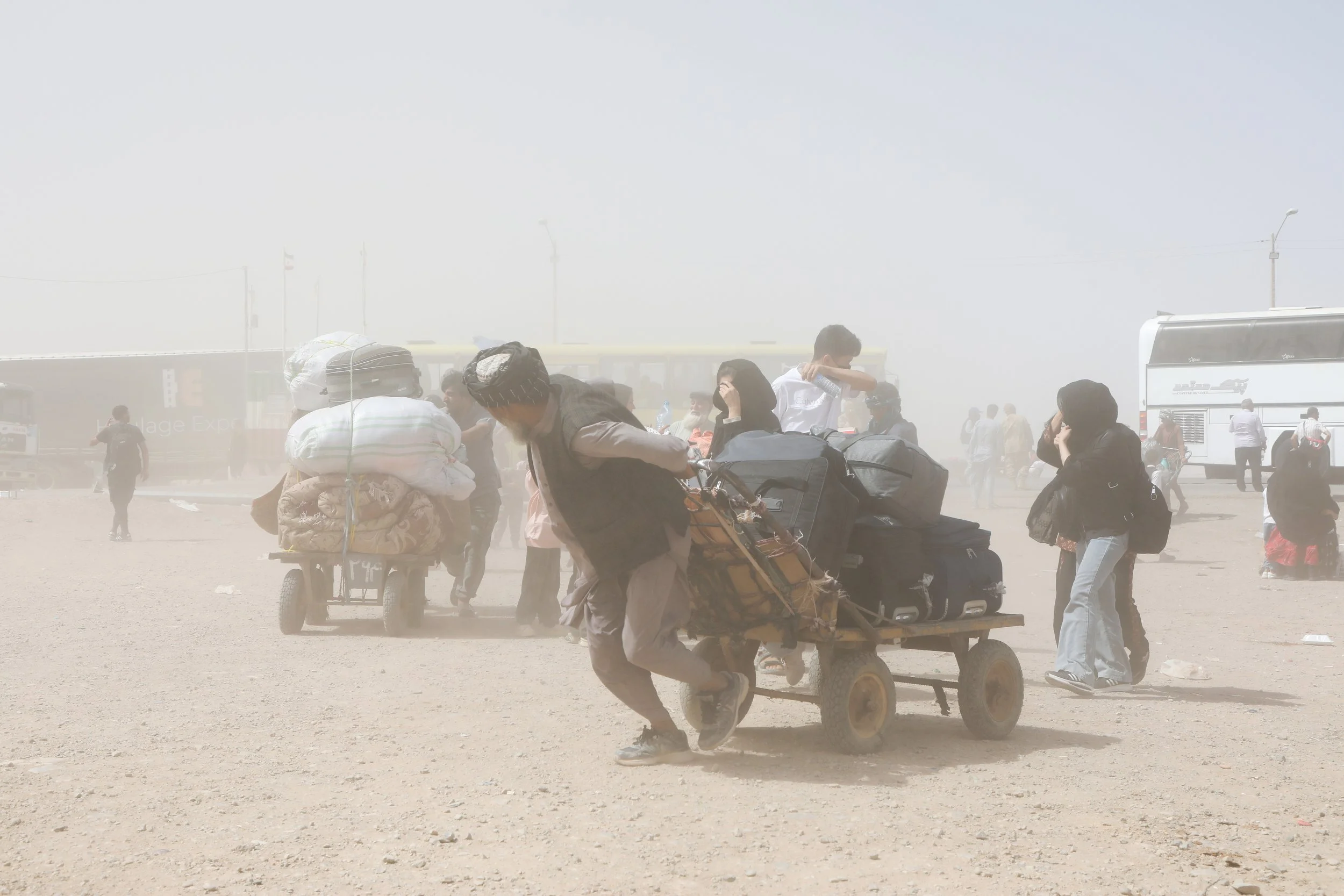
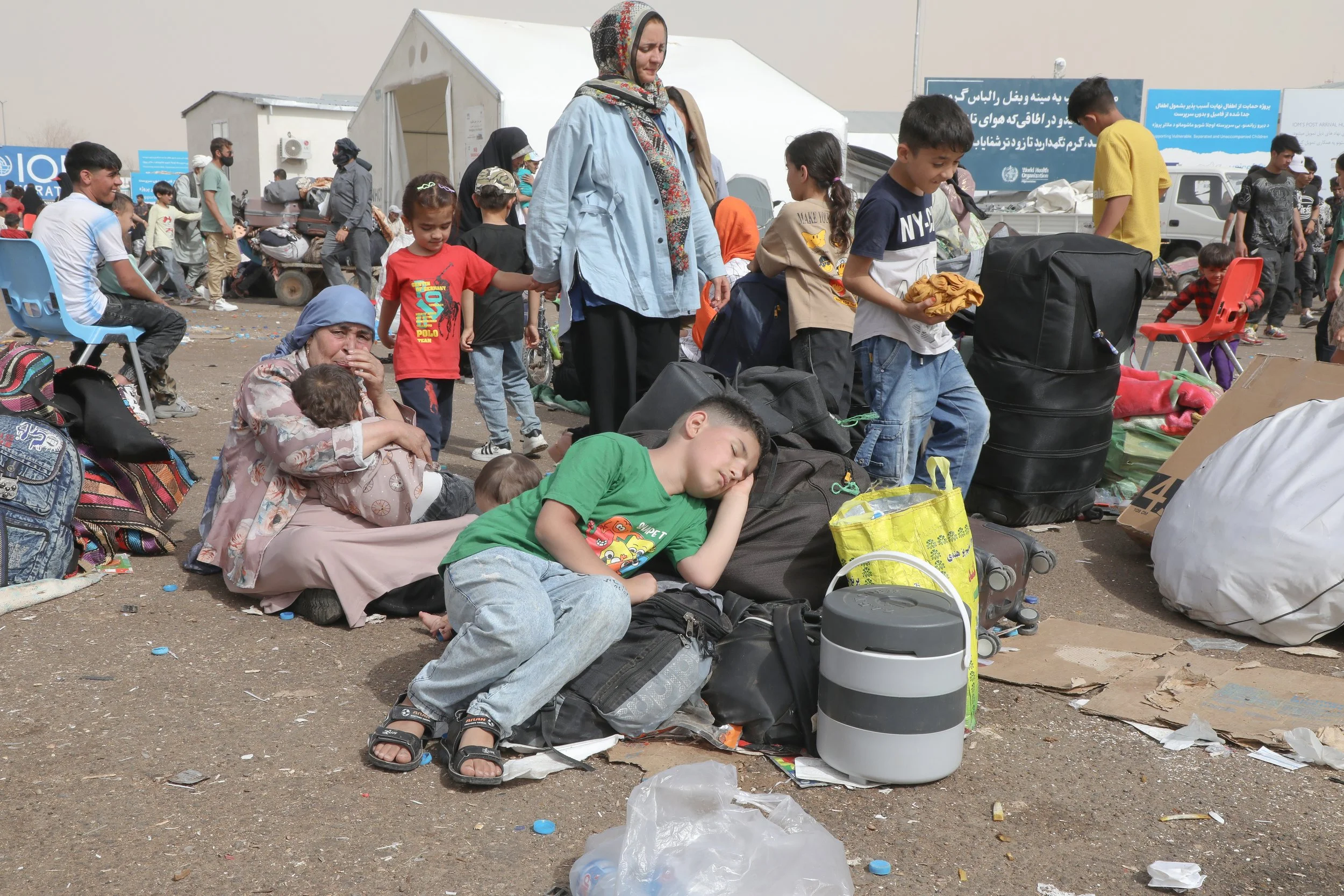
Over 1.5 million Afghans have been deported from Iran. The expulsions intensified following the 12-day war between Iran and Israel, and many Afghans, including those with legal documentation, were forcibly returned. On a scorching summer day at the Islam Qala–Dogharun border, where Afghanistan meets Iran, buses arrive continuously, carrying passengers forced to leave Iran. They were hurriedly loaded and are now left at this border point. Strong winds sweep up dust, filling the air and obscuring visibility.
Islam Qala Border, the zero point between Afghanistan and Iran, is witnessing an unprecedented influx of Afghan migrants. According to reports, in a single day, between 30,000 and 40,000 Afghan migrants, forcibly deported from Iran, were brought to this point in long lines of buses. Temperatures range between 43 and 45 degrees Celsius, and UN tents, designed to accommodate a maximum of 7,000 to 10,000 people, are now overwhelmed by a new wave of arrivals—thirsty, hungry, and exhausted. Many did not even have the chance to gather their personal belongings, and for many, this is the first time they have set eyes on Afghanistan.
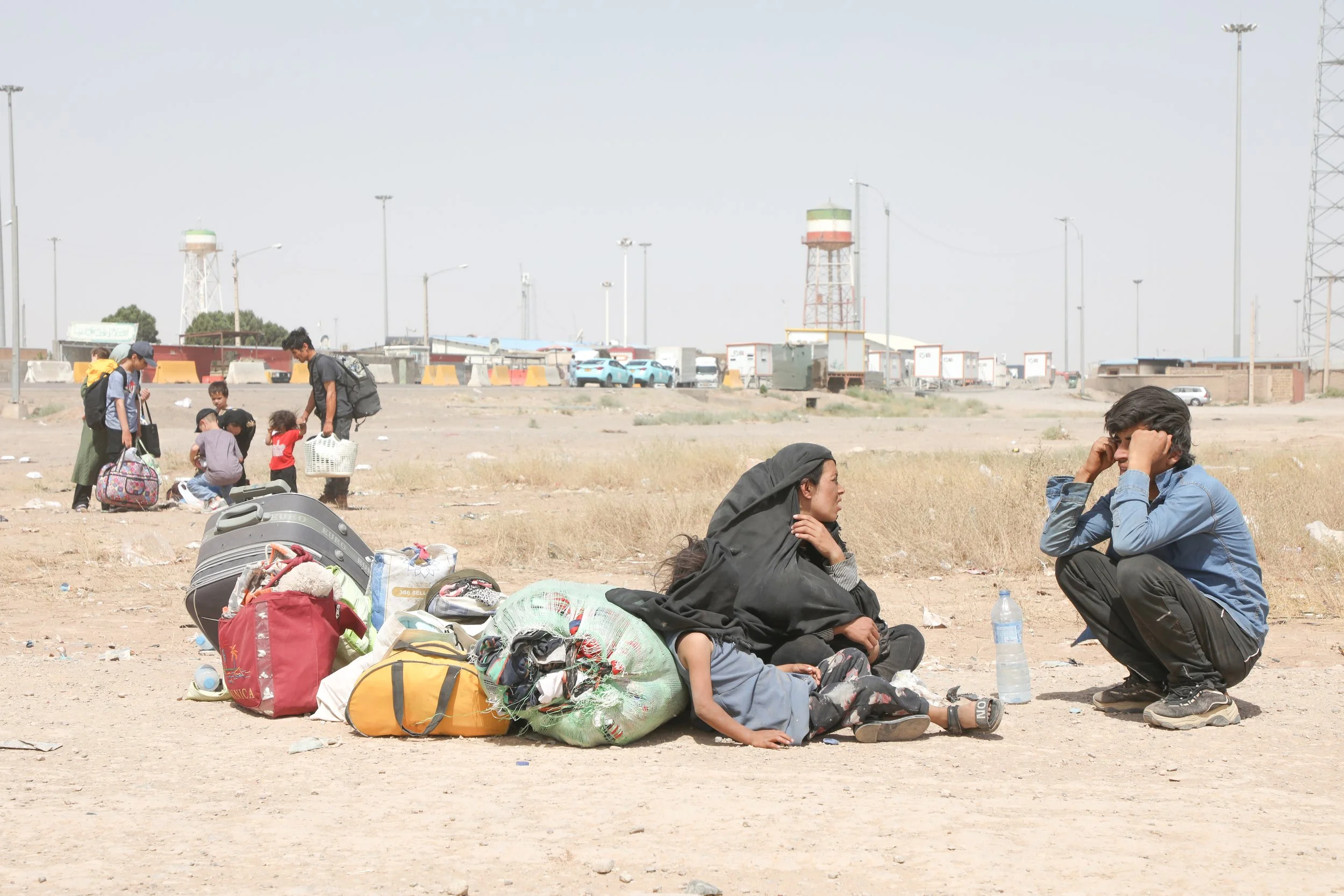
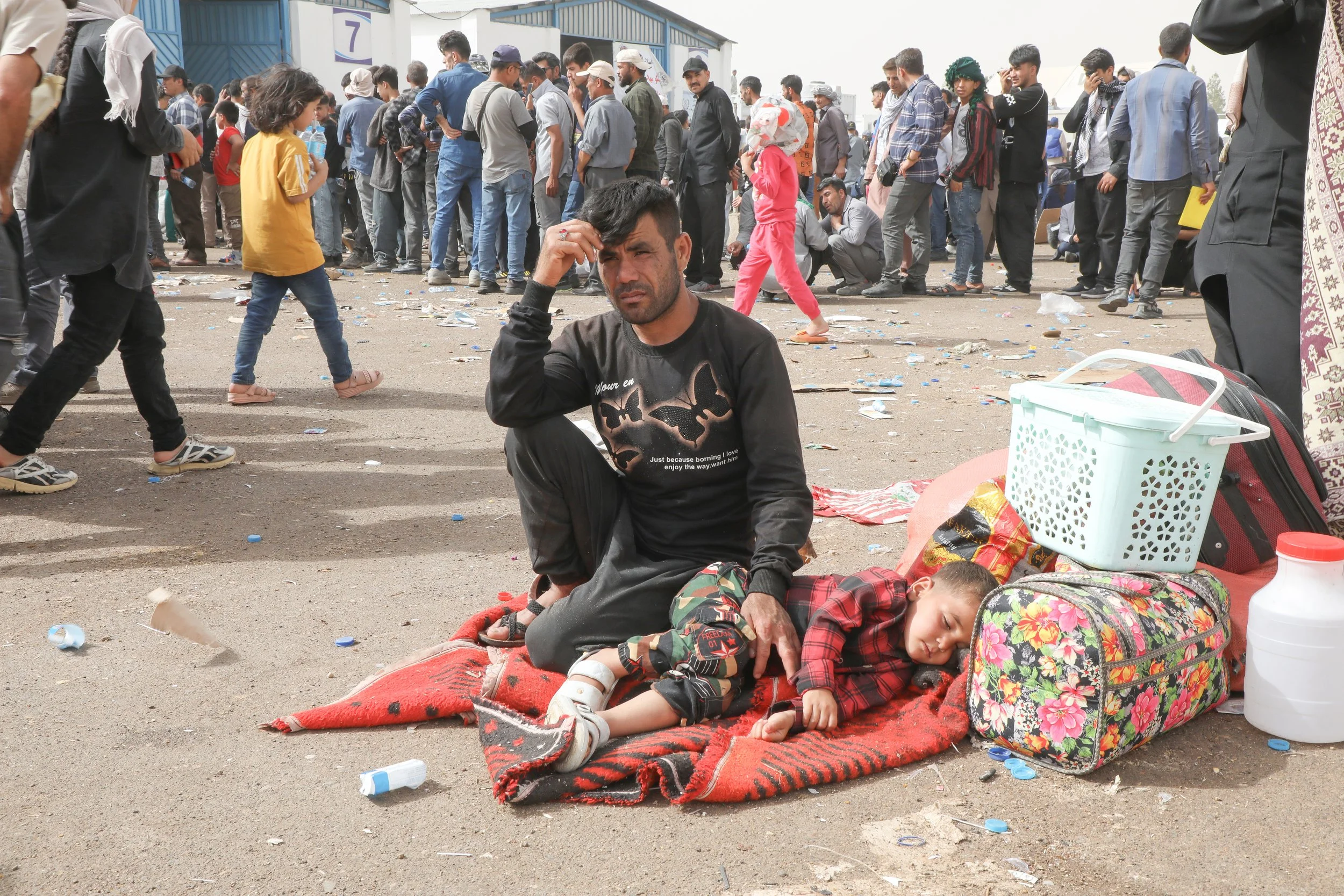
Islam Qala Border, the zero point between Afghanistan and Iran. Most of those brought here still have Iranian SIM cards and know almost no one on this side of the border in Afghanistan. Many have arrived with no money and empty hands. Their wages or belongings were left with employers or landlords, leaving them stranded at the border. The United Nations provides limited financial assistance to help migrants reach their desired destinations within Afghanistan. However, to receive even this small aid, many have had to wait for hours or even days in line. Some, unable to endure the extreme heat, left the queues or were forced to leave without receiving anything
Islam Qala Border, Herat Province, Afghanistan. Taliban authorities announced that thousands of Afghan migrants returning from Iran have arrived at the Islam Qala border and are under the supervision and support of the interim government of Afghanistan. They added that extensive efforts are being made to provide basic services, including water, food, and temporary shelter, in coordination with international organizations such as the United Nations. The Taliban also emphasized that efforts are underway to transfer migrants to safe cities and areas to prevent a potential humanitarian crisis
Islam Qala Border, Herat Province, Afghanistan. The United Nations has reported that over 1.5 million Afghan migrants have returned from Iran in recent years, and thousands are currently arriving at the Islam Qala border in urgent need of humanitarian assistance. Many of the returnees arrive without money or personal belongings, enduring the intense summer heat, and are waiting in long lines for the limited food and water aid provided by the UN. The organization emphasized that efforts to provide emergency services and transfer migrants to safe areas within Afghanistan are ongoing, while concerns continue to rise over a potential large-scale humanitarian crisis in the country
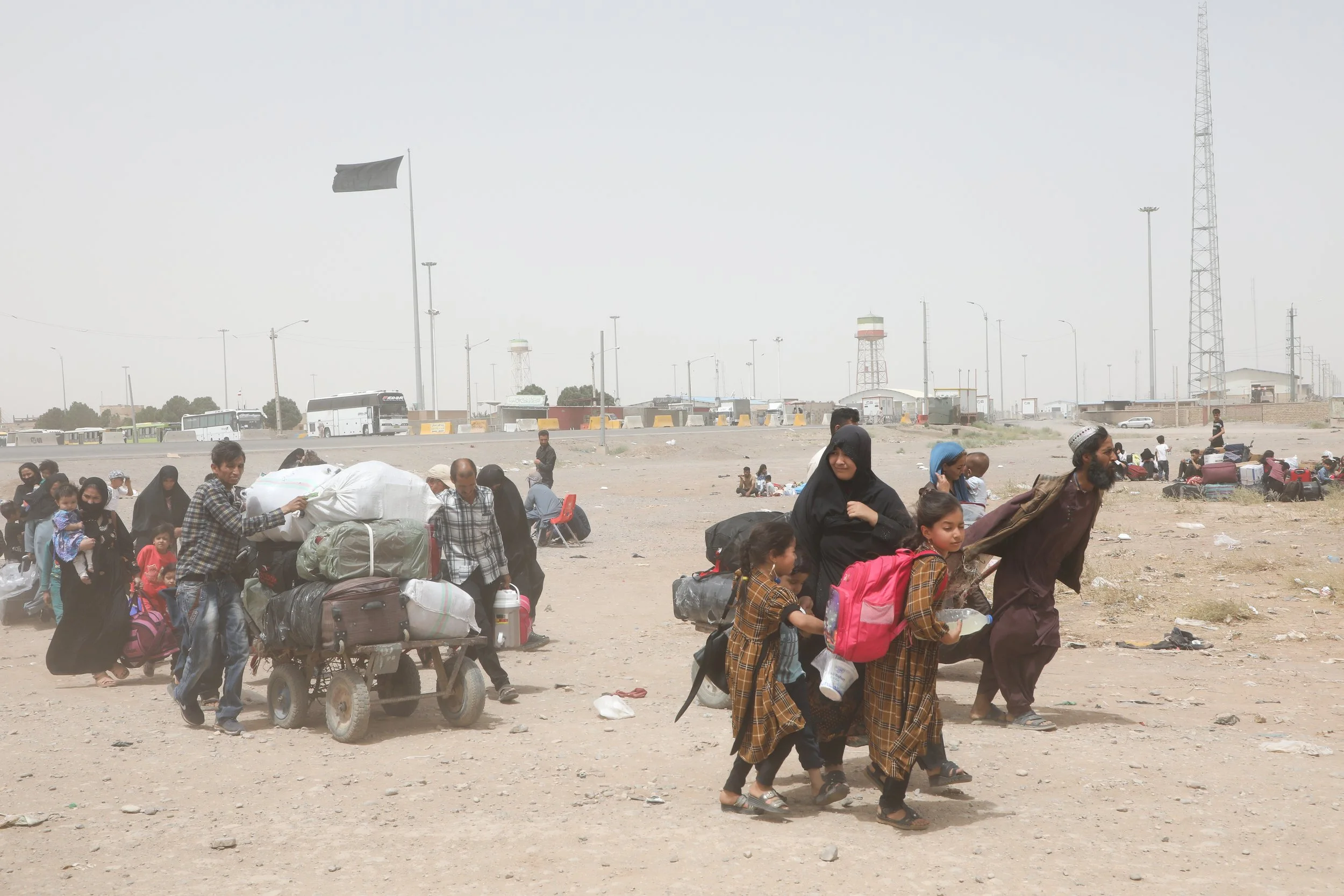
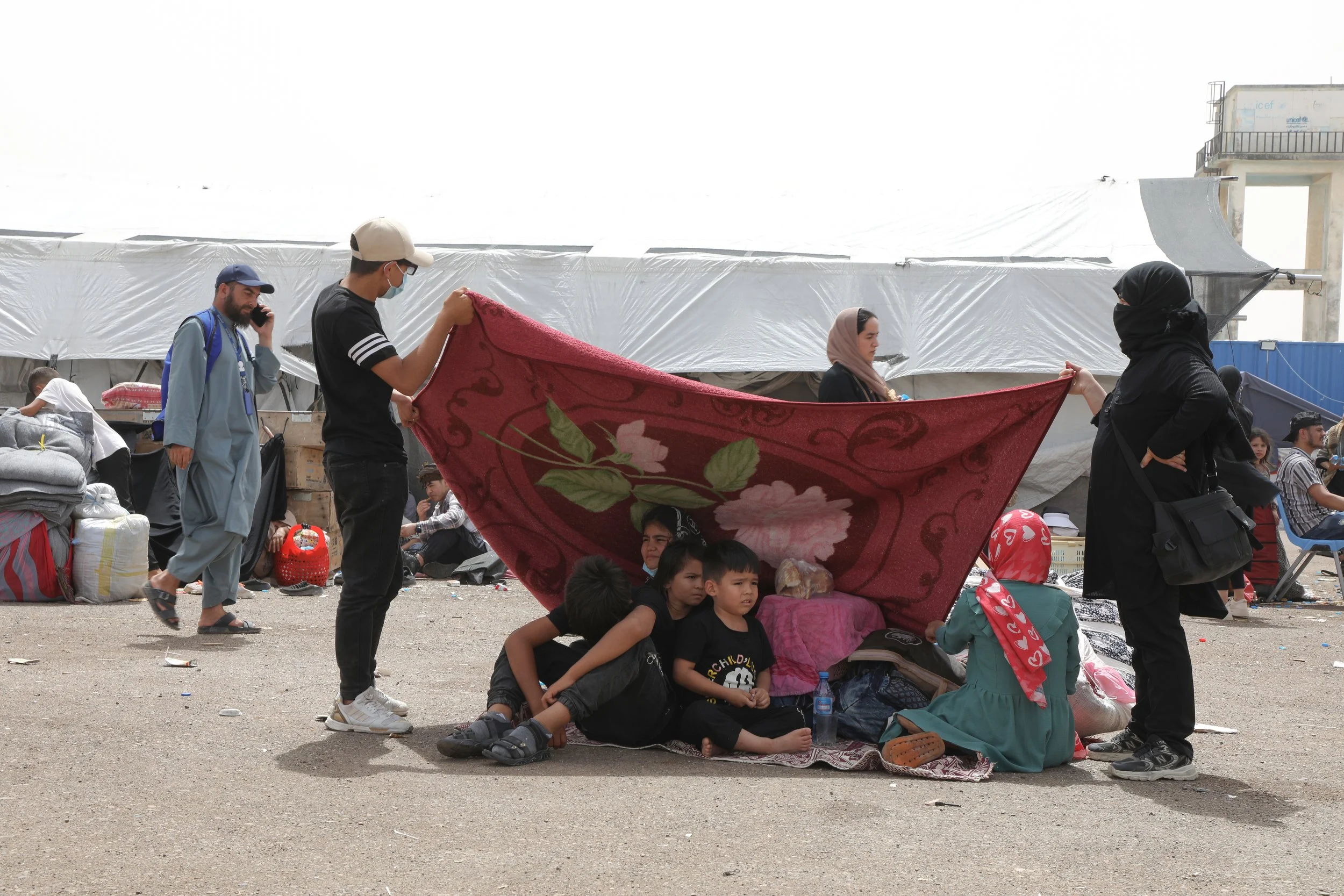
Islam Qala Border, the zero point between Afghanistan and Iran. Children are left under the scorching sun at the border; migrants in that moment are thinking of nothing but escaping the intense heat and finding shade for their children.
Islam Qala Border, Herat Province, Afghanistan. Thousands of Afghan migrants, forcibly deported from Iran, have arrived at the zero point of the Islam Qala border. Many arrived without money or personal belongings, enduring the intense summer heat and difficult conditions, waiting in long lines for limited assistance from the United Nations. Local residents, with their limited resources, are providing water, food, and transportation to help migrants reach cities within Afghanistan. Concerns are growing over a potential large-scale humanitarian crisis in a country already struggling with poverty, drought, and food shortages
Islam Qala Border, Herat Province, Afghanistan. Migrants who have been relocated to border camps say, “These days, not only in official media but also in streets and alleys, people accuse us of spying for Israel and want us to return to our country as soon as possible.” One of them said, “We dug wells in Iran, did construction work, made shoes, cleaned… spying is not something we have any experience in.” Many of the returnees added, “Perhaps being deported from Iran wouldn’t have been so painful if it hadn’t been accompanied by insults, humiliation, beatings, and verbal abuse
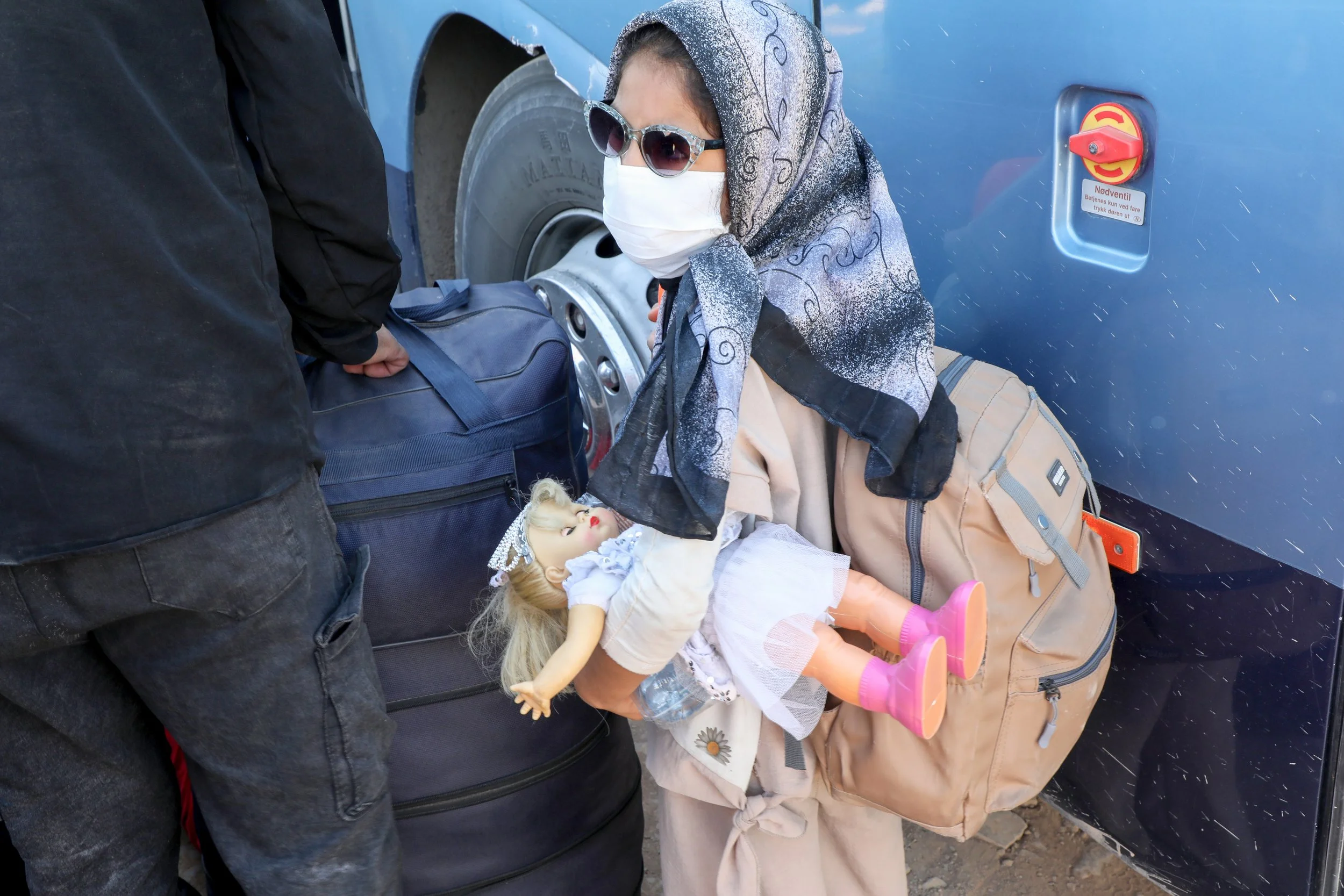
Islam Qala Border, the zero point between Afghanistan and Iran. An eight- or nine-year-old girl arrived at the border with her doll. She says, “As long as I live, my doll will stay with me. My doll is Iranian, and now that I have become a migrant… it must migrate with me too.