
5 MINUTES WITH VETHA YOKMAC
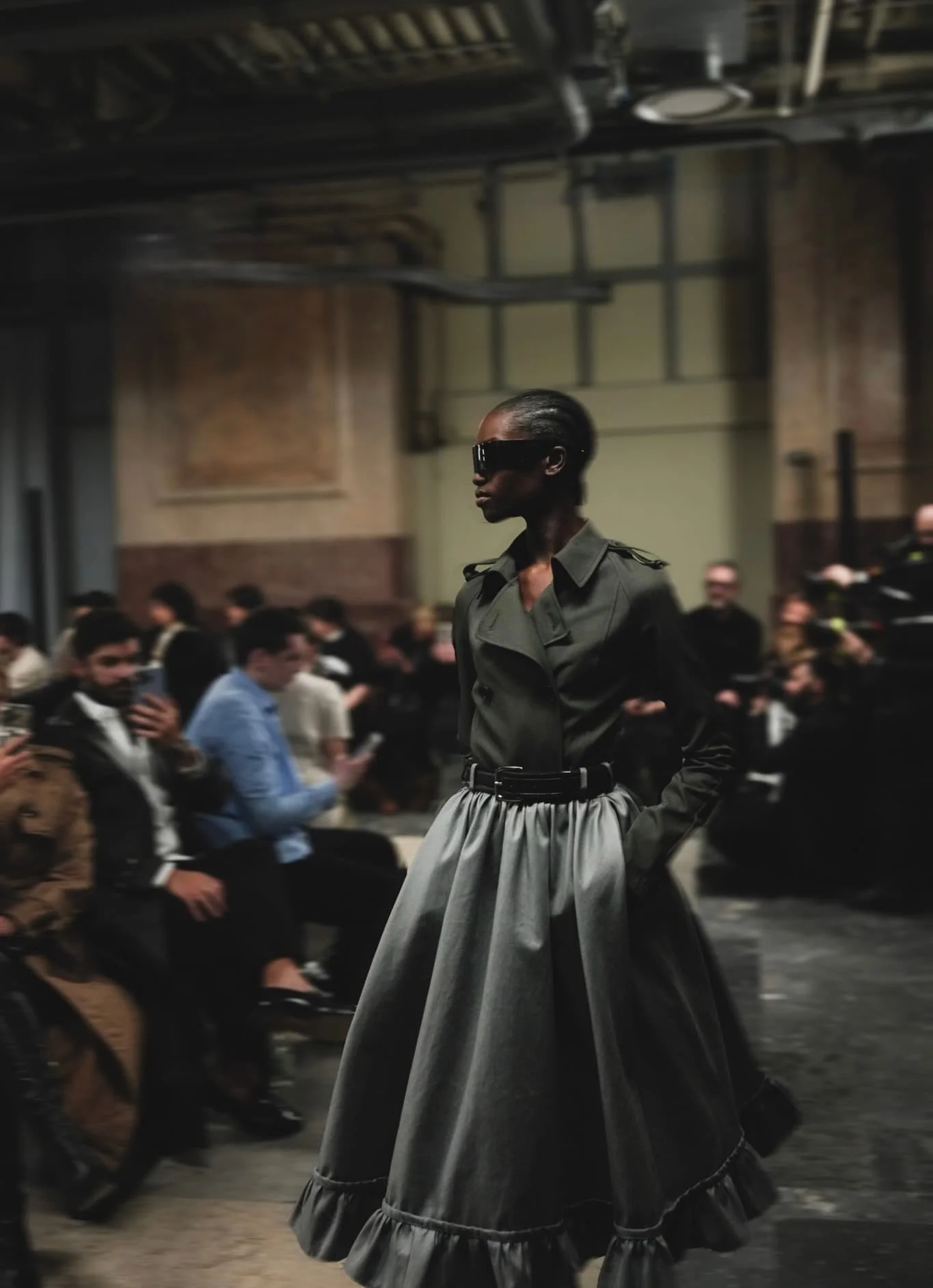
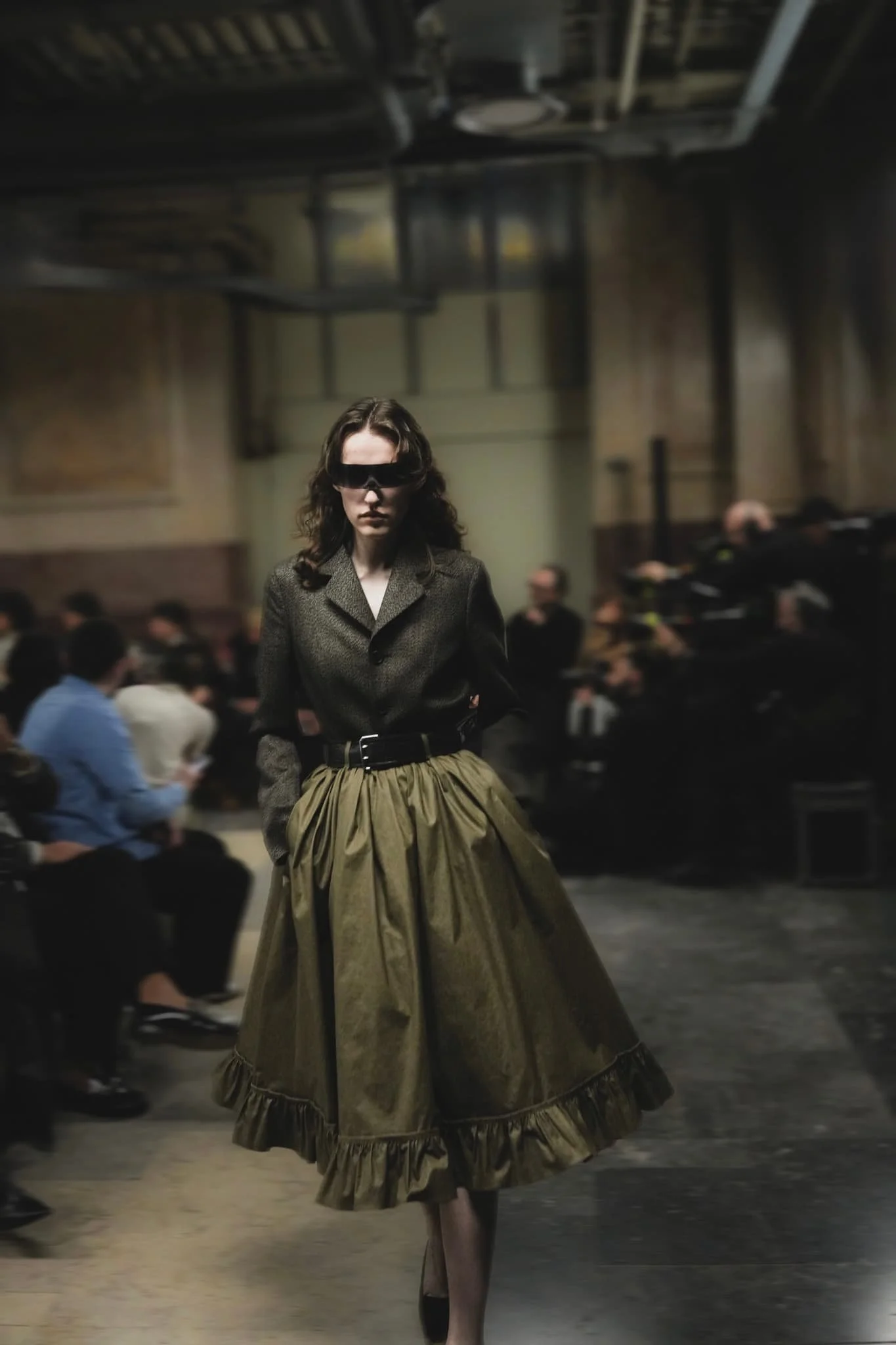
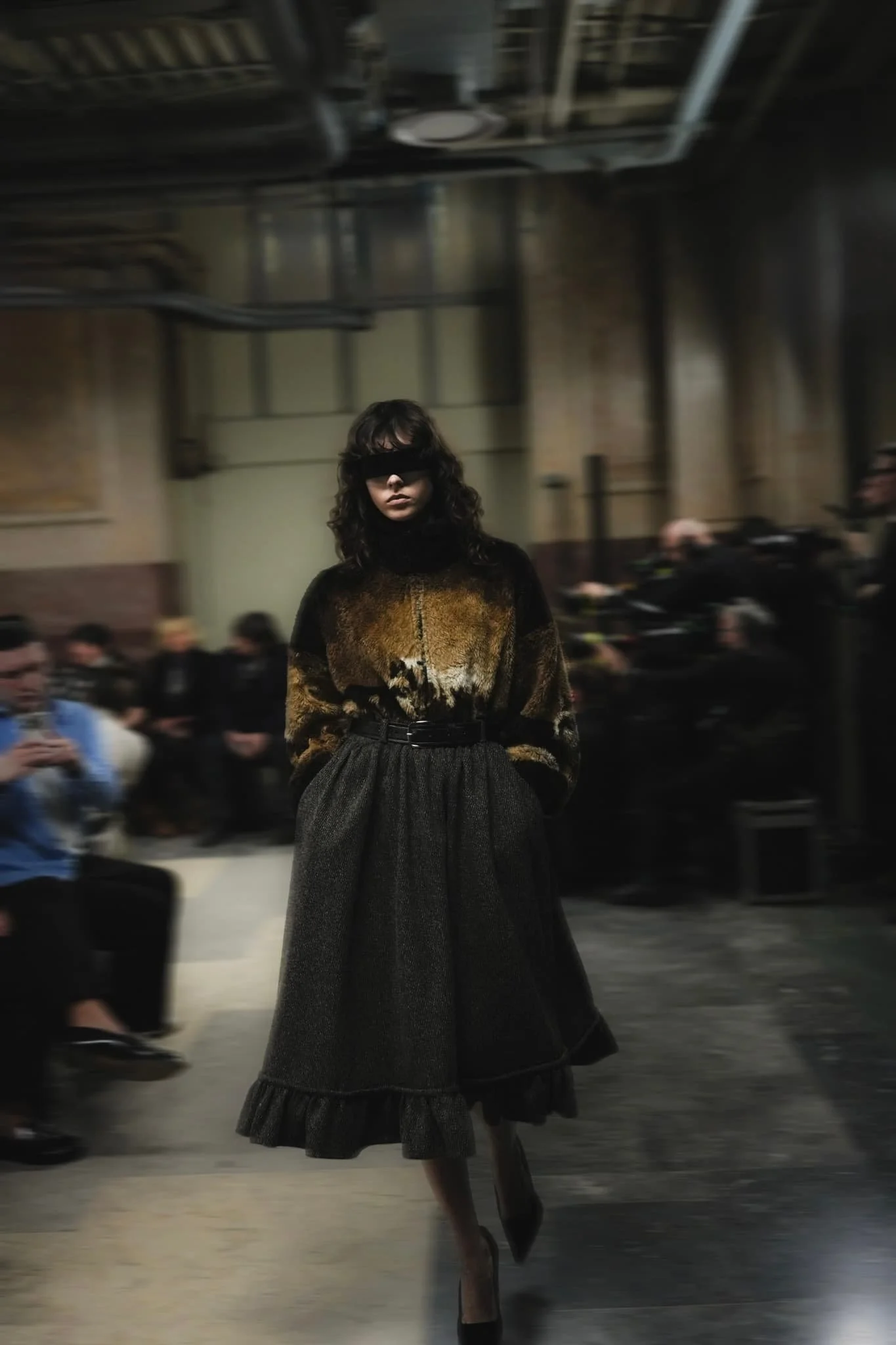
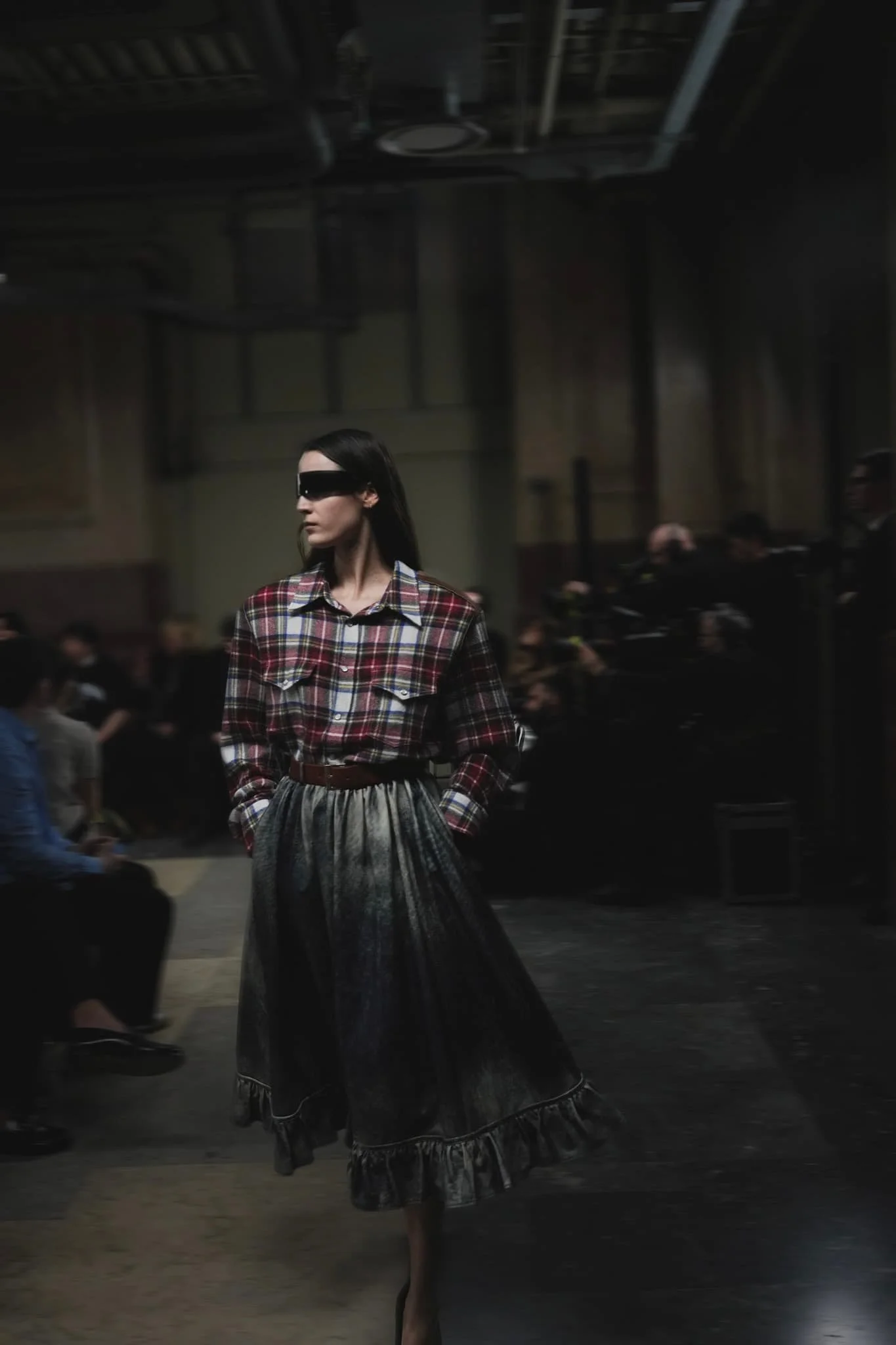
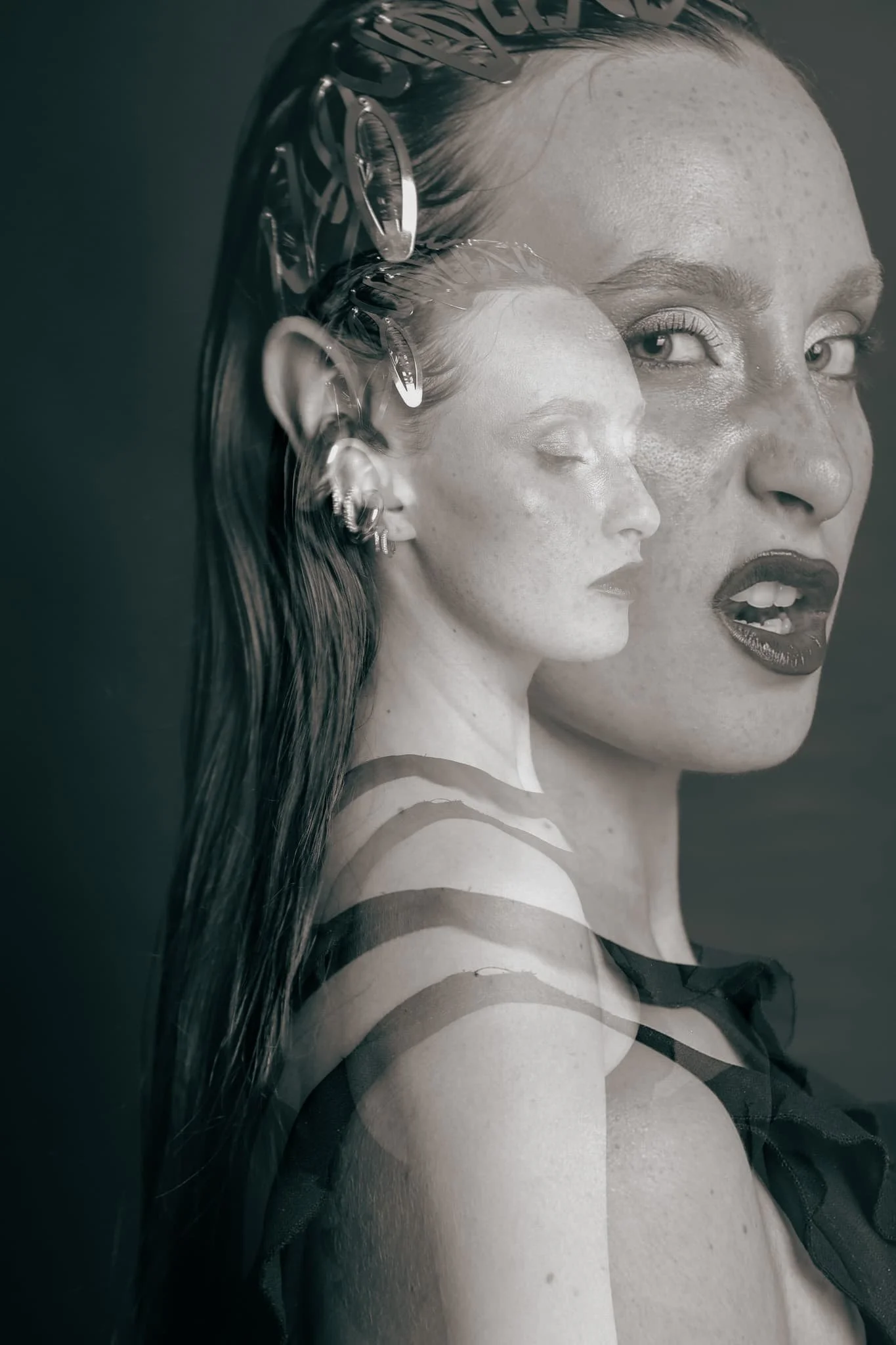
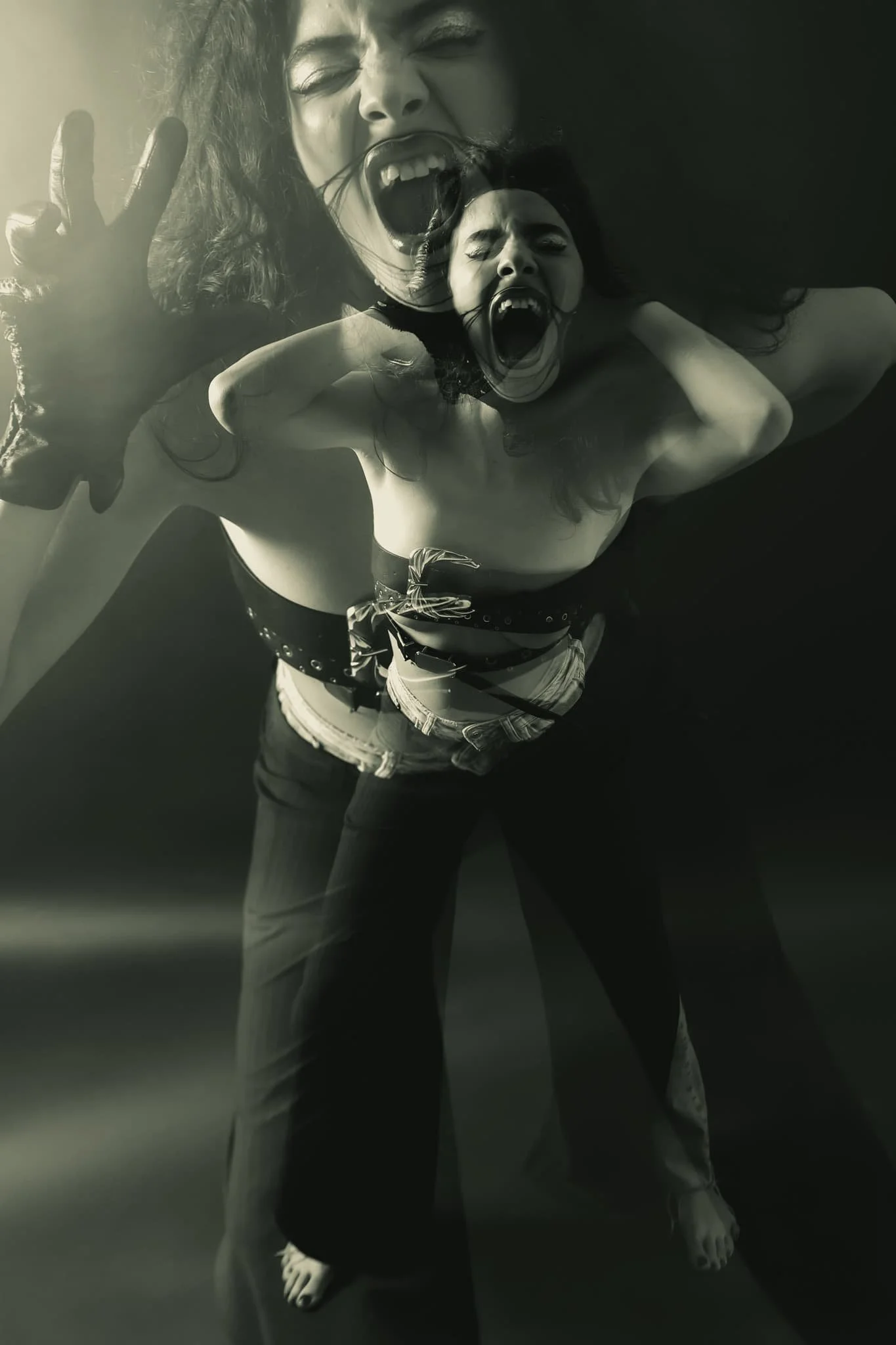
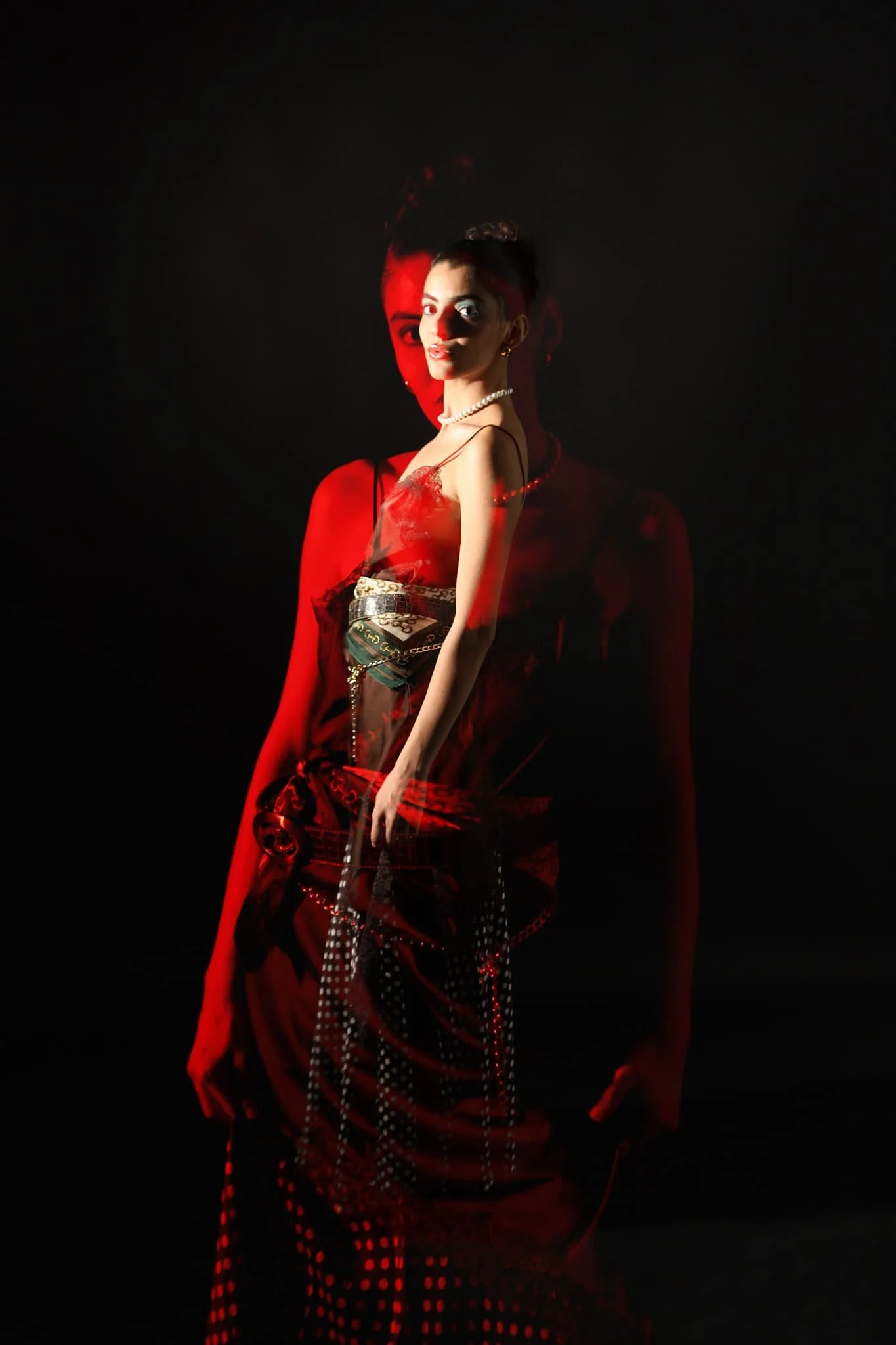
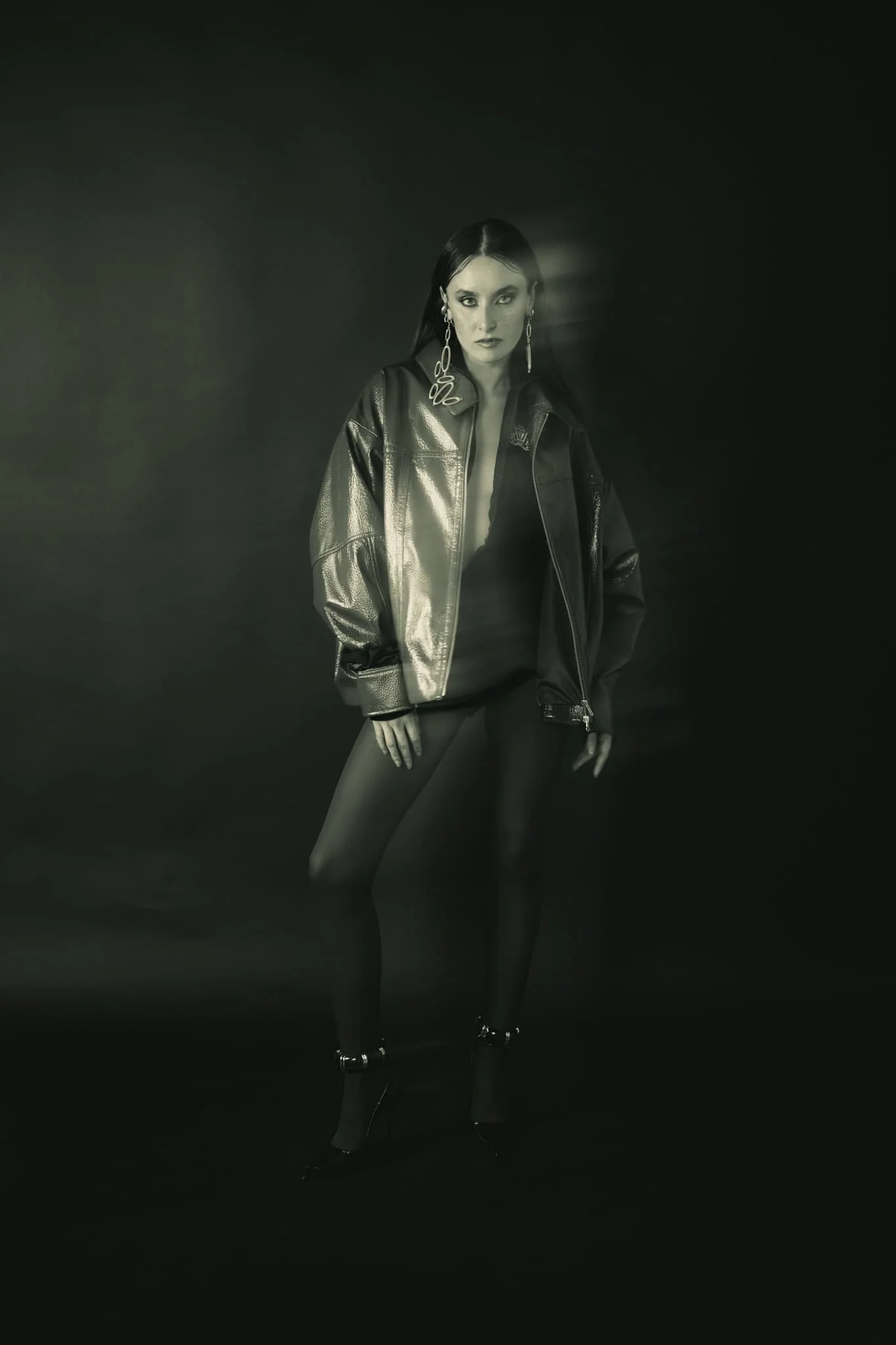
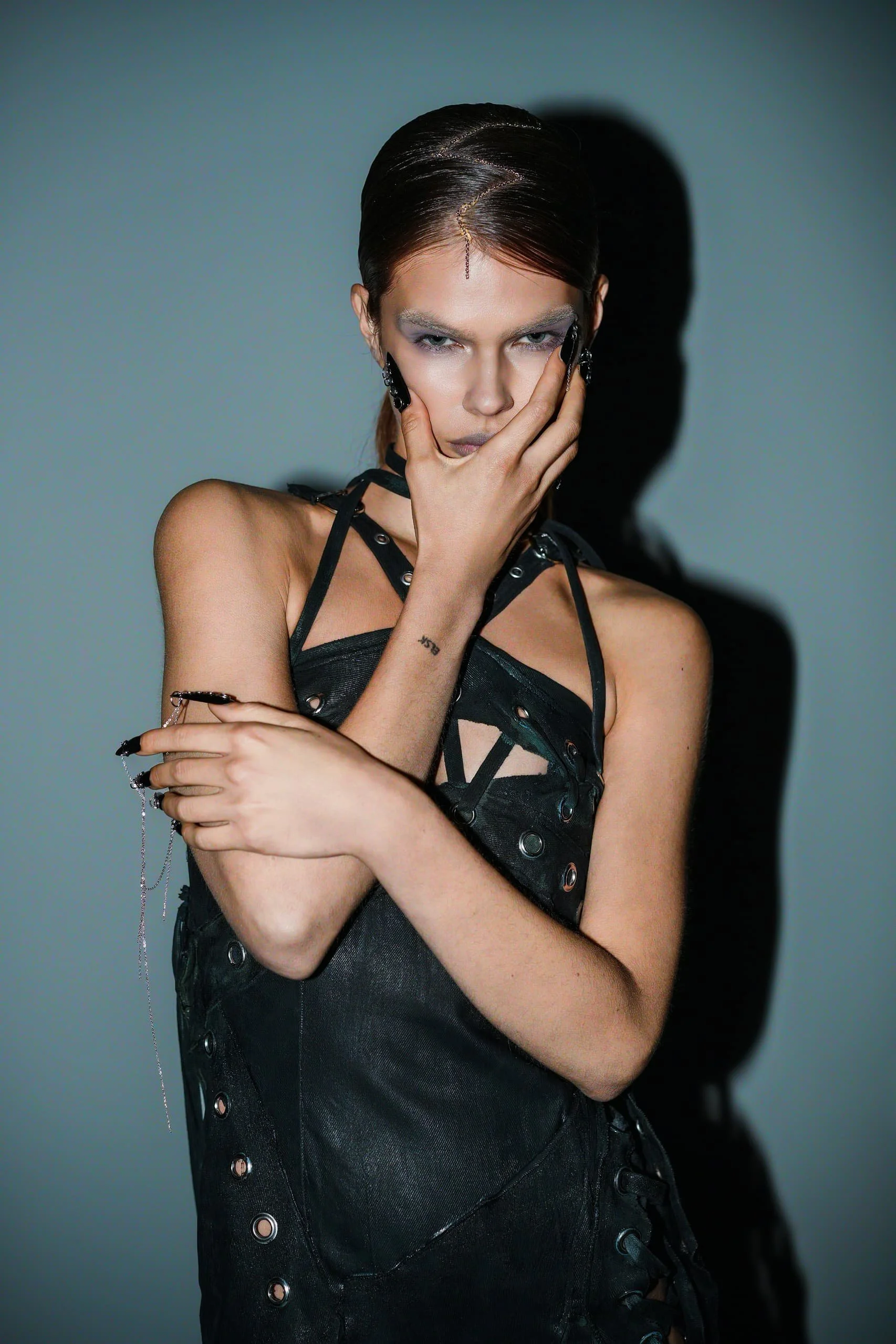
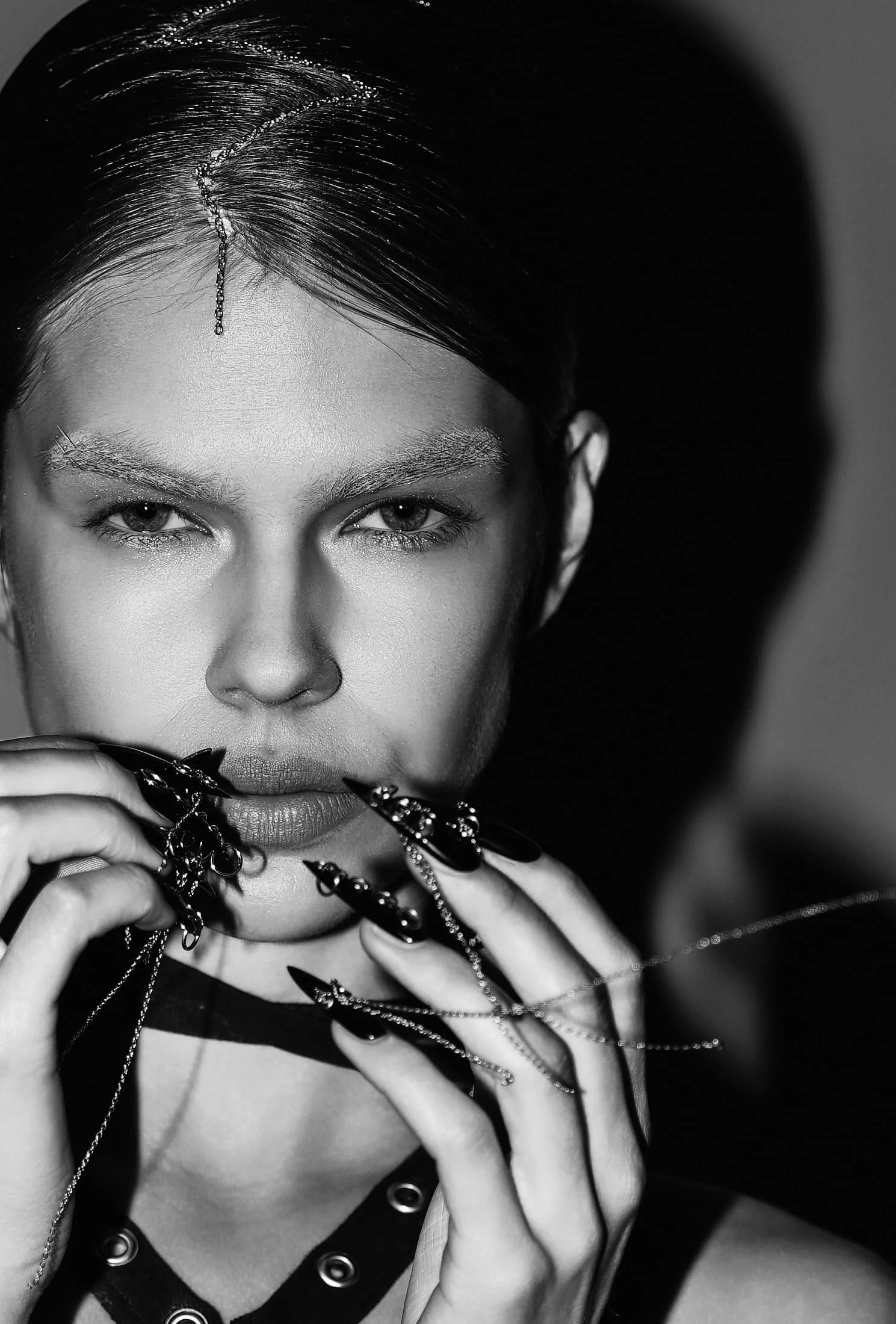
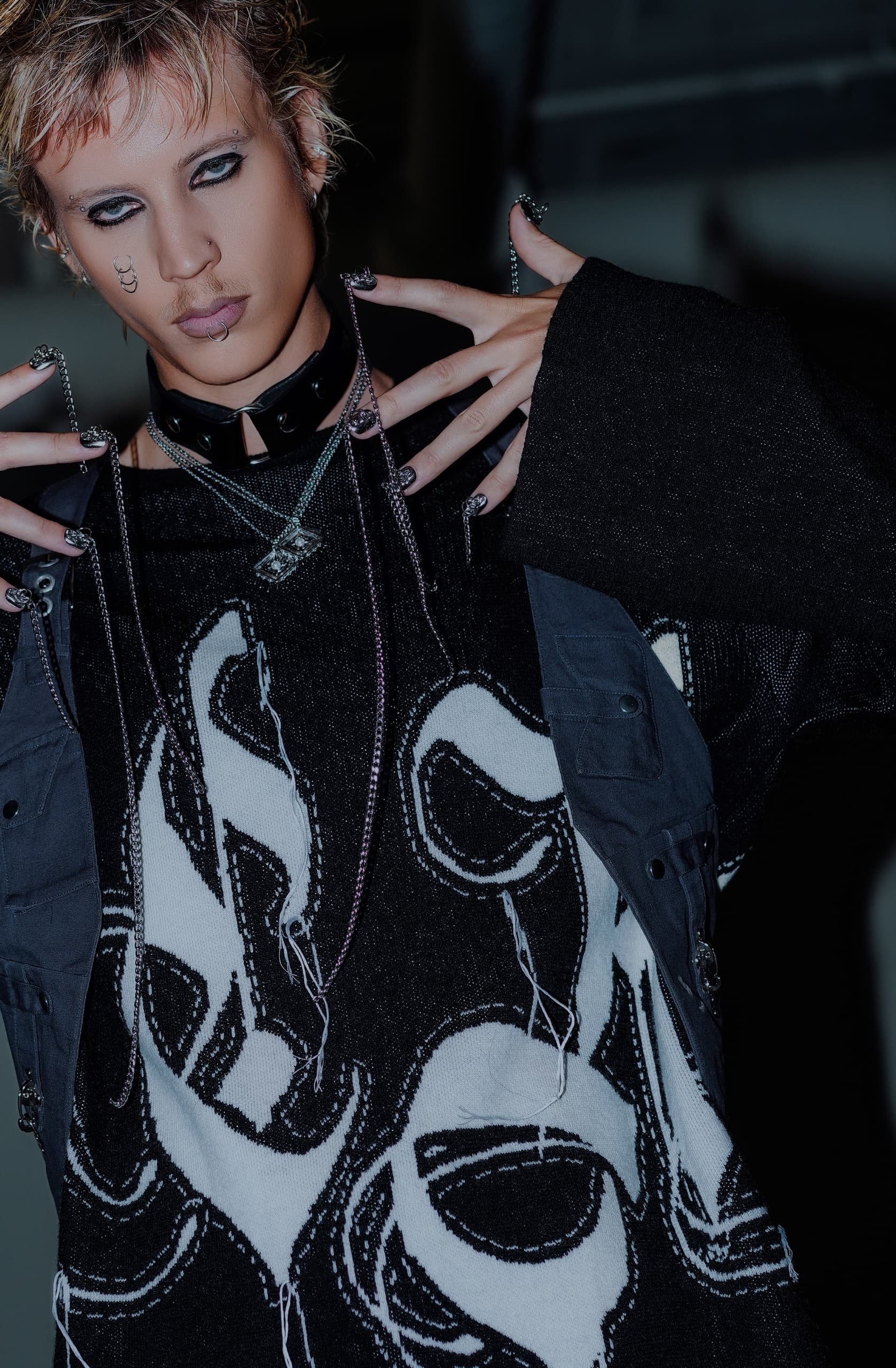
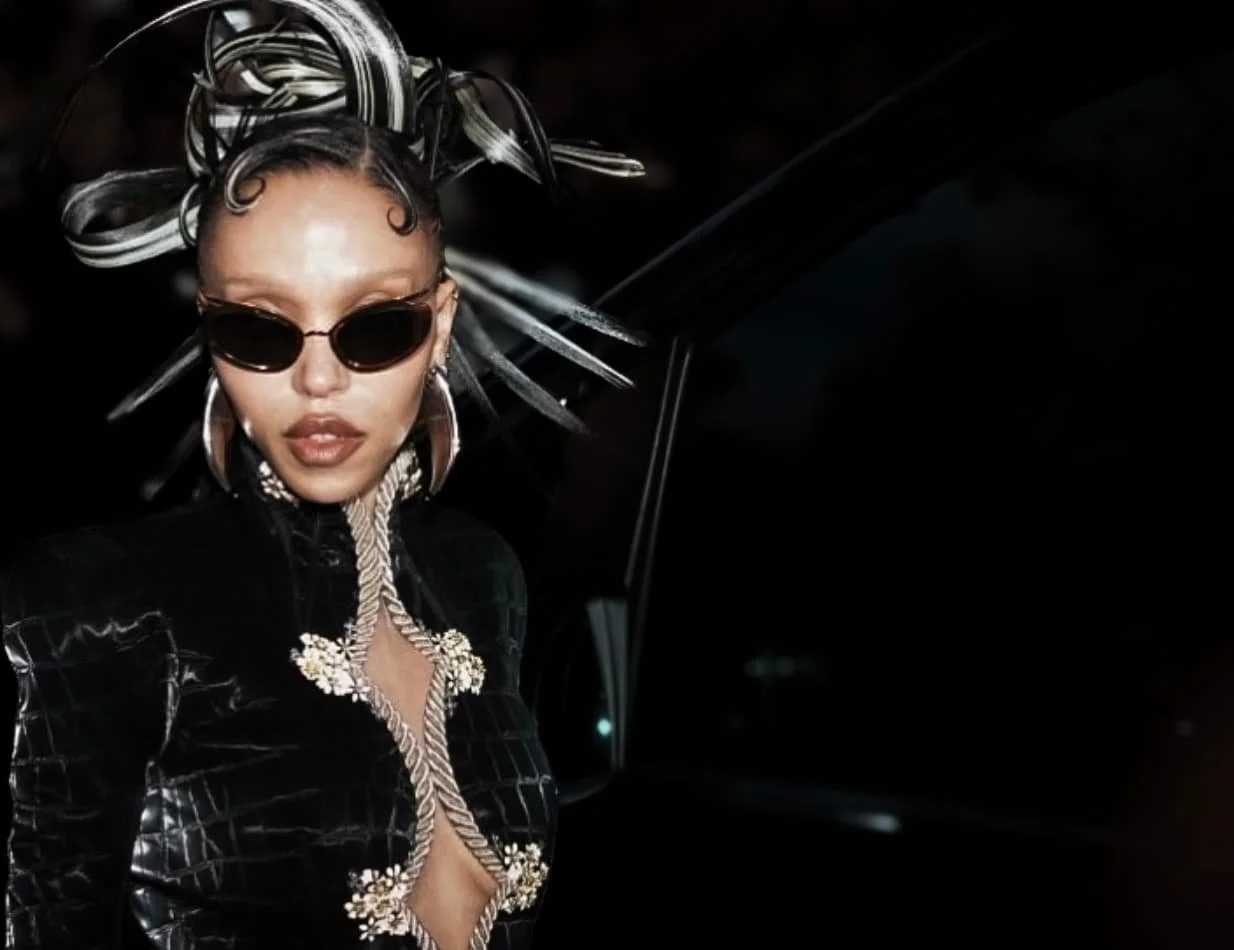
For Istanbul-based photographer Vetha Yokmac, photography began as a return to something she had set aside. Fashion had fascinated her from a young age, and although she once imagined studying fashion design, her early career took a very different route. After completing a four-year degree in finance, Yokmac realised the conventional path ahead of her did not feel like her own. Instead, she became a flight attendant, spending the next seven years moving between countries, cultures and temporary spaces.
She tells us that it was during those years of constant movement that fashion began finding its way back into her life. She started collecting and curating editorial imagery, rediscovering the visual world she had always been drawn to, while experimenting with a small analogue camera. Encountering the story and work of photographer Kat Irlin helped crystallise what had until then been an instinct: photography could become more than a hobby.
Yokmac began taking private photography classes in Istanbul before deciding to throw herself into the industry. She booked a flight to Copenhagen Fashion Week, approached brands directly and secured her first collaborations, an experience she describes as the starting point of everything that followed.
Still working as a flight attendant alongside her emerging photographic career today, Yokmac is now building an exciting portfolio and her own evolving visual language. After years spent searching for the creative life she felt was missing, photography has given her a new sense of direction and a way to turn a lifelong relationship with fashion into something distinctly her own.
We spend 5 minutes with Vetha to learn more:
DR: Please tell us about yourself, how did you enter into photography?
VETHA: I entered photography quite instinctively. Fashion and visual storytelling were always things I felt deeply connected to, but my path into them wasn’t direct. I studied finance first and spent seven years working as a flight attendant, constantly moving between countries and cultures. Over time, I realized something creative was missing from my life.
I started reconnecting with fashion through editorial imagery and eventually began shooting casually on a small analog camera. At some point I realized I was naturally observing light, atmosphere, and emotion differently, and photography slowly became the language that made the most sense to me.
DR: What does ferocity look like in an image?
VETHA: Not perfection. I think ferocity comes from honesty, tension, presence, and emotion. Sometimes it’s in a gaze, sometimes in movement, blur, silence, or even restraint. The strongest images usually feel like they have something unresolved inside them.
DR: Have you ever photographed someone and felt changed afterwards?
VETHA: Yes. I think photography changes the way you observe people. Sometimes during a shoot, someone reveals vulnerability or confidence in a very unfiltered way, and you leave seeing human emotion differently. Those moments stay with me longer than the actual images.
DR: What do your photographs say about the way you move through the world?
VETHA: I think my work reflects movement, emotional distance, temporary spaces, and the feeling of searching for connection. Maybe that comes from spending years constantly in transit. I’m very inspired by moments that feel in between airports, hotels, cities that don’t fully belong to you, fleeting encounters, silence, atmosphere.
DR: Tell us a visual trend you’re tired of?
VETHA: I think I’m tired of imagery that feels overly polished to the point of losing emotion. Sometimes perfection removes humanity from photographs. I’m much more drawn to images that still feel alive, imperfect, and emotionally present.
DR: What makes you continue creating in an oversaturated visual culture?
VETHA: Because even in an oversaturated world, nobody sees things exactly the same way. Technique can overlap, trends repeat, but perspective is still personal. I think people connect to honesty more than perfection, and that’s what keeps me interested in creating.
Image credits:
Vetha Yokmac Photographer&Stylist
Ceren Çakmak Model
Zuhal Esen Model