
Acid Bath Return: Sammy Duet on Memory, the fans and Playing Live Again
Following our retrospective on Acid Bath’s discography, we spoke with guitarist Sammy Duet about what it means to return to a body of work that has only grown in stature over time. Across When the Kite String Pops and Paegan Terrorism Tactics, Acid Bath carved out a space that felt insular and difficult to replicate, with a dedication to darkness unique to the swamps of Louisiana.
Decades on, that material exists in a different context. The band’s audience has expanded across generations, their absence only intensifying the connection listeners have to those records. In this conversation, Duet reflects on memories, creative intent, and the realities of stepping back into a project that never fully left public consciousness.
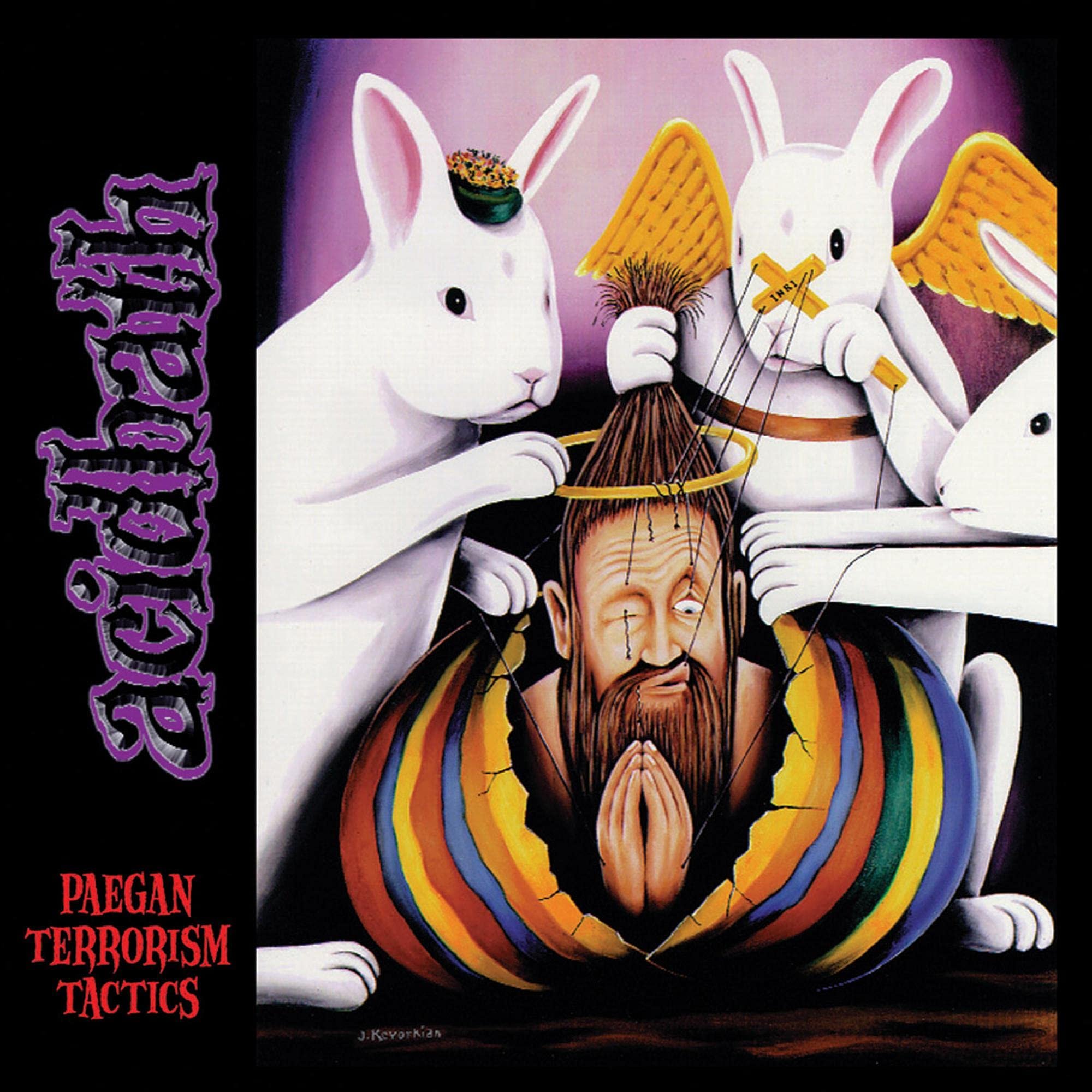
Diana Rotten: When you look back at When the Kite String Pops and Paegan Terrorism Tactics, I have read some interviews with you in the past where you spoke about the kind of emotional landscape that you were living in at the time. I wanted to ask if those memories feel distant to you now when you perform, or do they vividly come back to you when you're playing the same albums?
Sammy Duet: Well, I mean, you have to think that was a very, very long time ago. A lot of us, I would say all of us, have changed since back then, you know what I'm saying? It's good to look back and remember those memories and stuff, of what we were going through personally and all that, and what was happening around us, but yeah, it's life, I guess you can say. It's just that it was so long ago, and… how can I put this to where I'm not incriminating myself… we were a bit chemically challenged. I think nowadays we are more focused, as far as what we're going through now. I'm just happy that we can remember those times, you know?
Diana: Do you still feel the same way about the songs? Do you ever look back at any of them and think, “I felt like this was better at the time”? Or do you still see the value in them as a sort of time capsule that you can still engage with now?
Sammy: Oh, absolutely. Because, I mean, back then, you know, we worked on those songs so hard and spent so much time on them. That was basically our life at that point in time. If I had to look back and say, would I change anything musically about the songs, I would say no, because we worked so hard on them to perfect them. A person told me once, “Art is never completed, it's just abandoned.” So, you know, it is what it is. And I think the songs are still fantastic to this day.
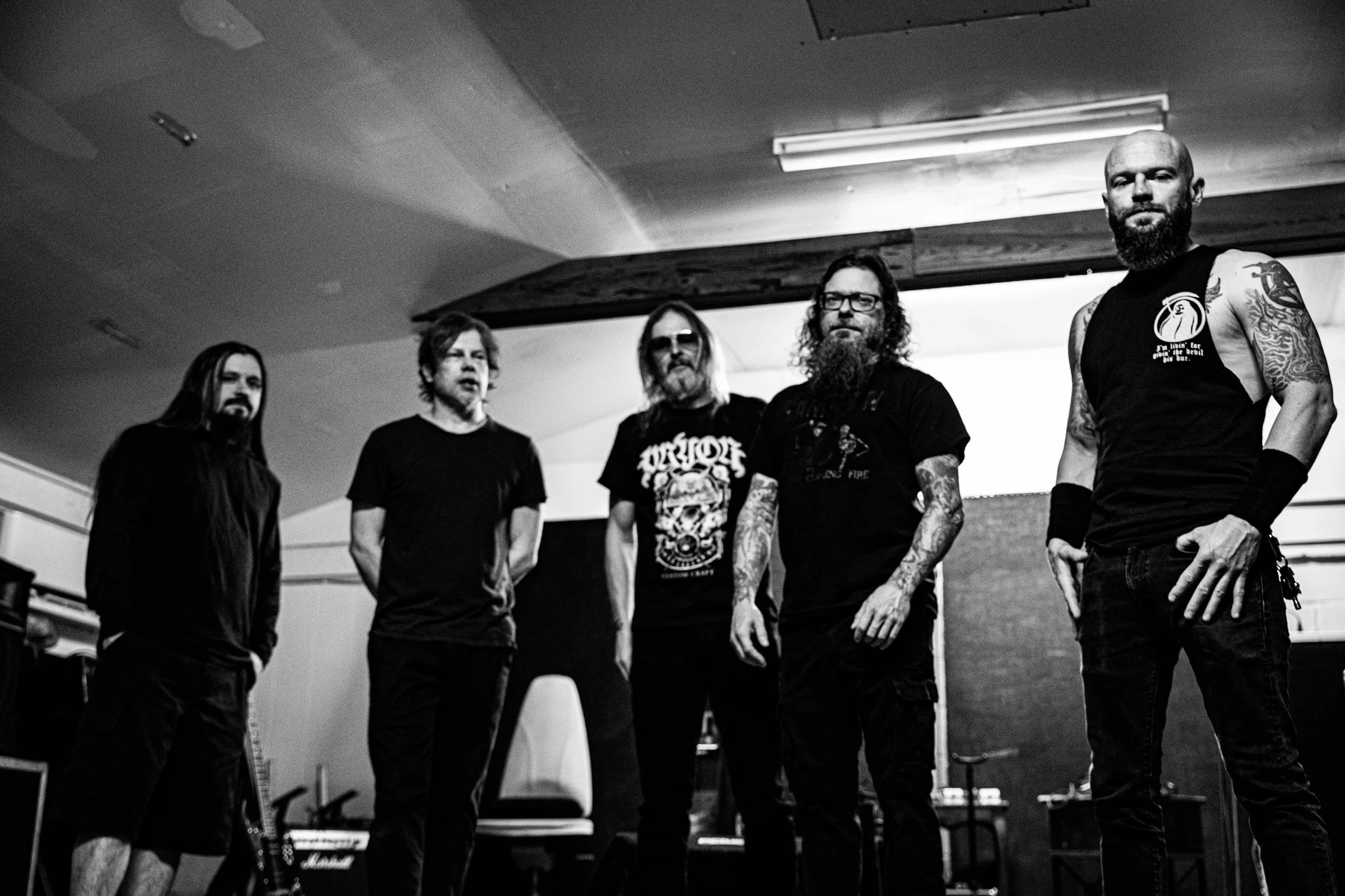
ACID BATH - PHOTO BY CHARLES DYE
Jack Hinks: You said there's a clear distinction between when you wrote it and now, and there's a different state of mind connecting them. Do you see hints of your influence, and Acid Bath’s influence, in other people's music? And do you ever say, “We did that, and we walked so these guys could run.”?
Sammy: I get asked that question a lot, and to be honest with you, there are bands that have told me that Acid Bath has influenced this song, or that Acid Bath was a huge influence on their band. But, you know, personally, I don't hear it. I mean, I appreciate that they acknowledge us and all that. But, you know, I just… I guess we were kind of in our own world in more ways than one, in ways that a lot of people don't really understand. Not so much what we were going through, but I suppose our mindset back then was that our goal was a lot different from a lot of other bands.
I recognise that a lot of people and a lot of bands and a lot of musicians claim that Acid Bath were a huge influence on them. I go back and I listen to these songs that these people have written, and I'm like, I don't hear it. But, I mean, I guess that's cool, because that kind of influence wasn't direct, and that was the whole point of this band.
I guess I have my own preconceived notions of what Acid Bath should sound like. And maybe these other musicians who have said that have their own interpretation of what we sound like to them.
Jack: Sure. Could you possibly talk a bit more about the world that you were in when you were writing and when you were playing? The meaning, the message, and the intention of the band? Could you elaborate on that a little bit?
Sammy: It was just trying to create the darkest music we possibly could without it being, for lack of a better term, “campy”. You have all these bands that are doing historic extreme music, but I guess the way we went about our music was a different route than they did. Rather than going to extreme descriptions of cutting someone open and bathing in blood and looking at the guts, we were more… not so much what a murderer would do in front of them, but more what was going through his mind at the time, right?
Jack: That makes a lot of sense. And so with that intention, did you feel that Acid Bath was in their element in the studio or live? Which felt more true to your vision of the band, and how does that feel now that you're touring again?
Sammy: I've always been a live guy. I absolutely cannot stand being in the studio, and I understand it's a necessary evil, sure, but when you're in the studio, you're completely under the microscope, and everything has to be a certain way. Whereas live, it's more of a primal energy where it's more by instinct. You have to be focused and very concentrated on playing the parts the best you can.
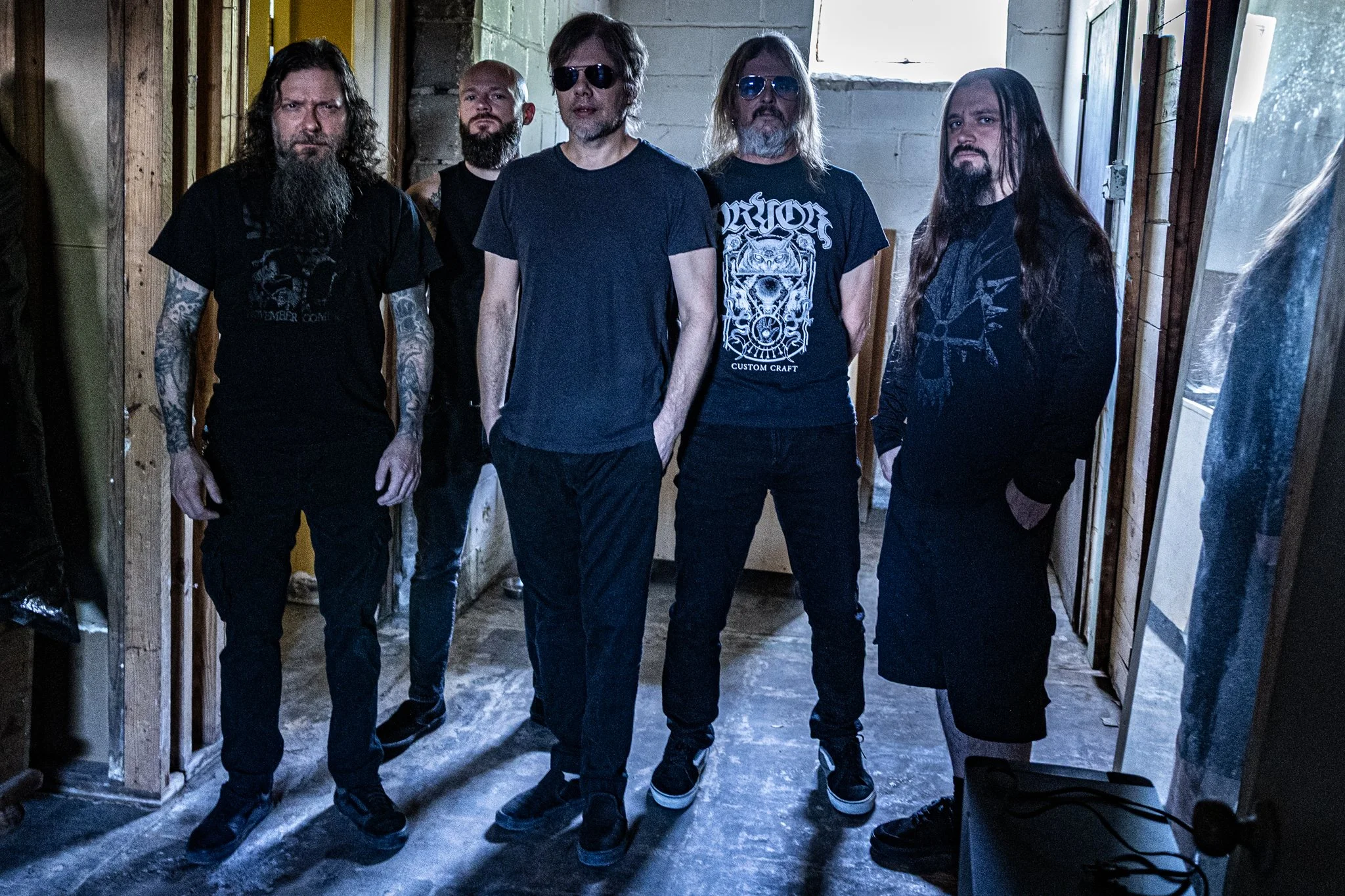
ACID BATH BY CHARLES DYE
Jack: I've always found that in the studio, unless you go in knowing exactly what you're going to do, you start second guessing everything. “Oh, I played it like that. Should I be playing it like this?” And someone says, “Maybe try it like this.” And then all of a sudden, the plan is out the window. And that energy that you're talking about, that live essence, is really hard to pin down because everything's shifting too much.
Sammy: Yeah, exactly. I’d rather go by more of a primal instinct rather than have to concentrate on how well I have to play a part, or whatever.
Diana: Sure, thank you. For years, I've been looking at the comment sections of your Facebook pages and all your online fan environments, and you do have a hell of a cult following. I've noticed that there's a huge sense of pride within your audience, especially from the people who have been there from the very beginning. There are younger generations of fans who are so excited that you've come back to perform. Do you, or have you ever, felt any sense of anxiety, or any feelings about living up to that ideal that people might hold of you in their heads when you perform live today? Or is it like, “Fuck it, we’re Acid Bath, fuck you.”?
Sammy: Well, you know, that was definitely a concern when we first got back together, but after the first two or three rehearsals, everything just fell into place. It was like we never stopped, almost. And after that, I was like, “Oh, we got this.” And I'm sure no one will be disappointed with what we're going to present to them live. But that was definitely a concern for the first couple of rehearsals. Once everything just kind of fell into place, we realised we still sound like we sounded right when we stopped playing together the first time.
Jack: You have perfectly segued into my next question. As a guitaristl, and I could talk for hours about gear, but I saw that you recently got a new signature amp, the SPD100. I believe it was Michael W. Klein Amps? Amazing. And obviously you've got your ESP signatures. That sound that you're talking about, has that felt like an evolution from how Acid Bath was and the gear you were using? Are you using similar equipment, or is it more of a modern touring rig? How has that changed for you and for the band?
Sammy: We were living in poverty, so we did not have the best equipment. We wished we had the money to buy a nice Mesa Boogie or a Marshall or something like that, but we didn't have the money to buy nice gear back then, so we just used whatever we could get our hands on. Nowadays we can get nicer stuff. I think live, we're using Marshall JCM 2000s with Michael Klein pedals. A lot of the shows we're doing are fly-in shows, so we can't really bring a whole bunch of gear with us, so we just have to rent what makes sense. The Michael Klein amp is a beast on its own, and I wish one day I could bring it everywhere. But, you know, we'll see what happens.
Diana: Is there anything that you wish someone had told you about a reunion like this? Is there anything you did not expect it to feel this way? If so, how are you dealing with that?
Sammy: Oh yeah, it completely caught me off guard. I mean, I knew there was a cult following, but I did not know it was to this magnitude. Let's just put it that way. And, you know, when the shows started selling out and all that, I was like, “This is not what I expected.”
Diana: Oh yeah, for sure. What's your favourite thing about your fans?
Sammy: My favourite thing about our fans is… oh man, that they are so passionate about us. Even though we haven't put out a new record in over 30 years, they are still rabid for this music, and that's what I like about our fans the most. They're so passionate about this. And, you know, without them, we would probably not be doing this right now.
Diana: I’m a big fan of your merch. How do you pick your artwork for all that merch? Because it seems like there are different artists involved?
Sammy: Well, we try to find an artist that we like, and we don't really try to paint ourselves into a corner in a certain style. We see an artist who does a piece of art that we like, and we’re like, “Okay, we like this piece, but can you do something maybe a little different?” Or possibly, if the piece is amazing, we'll be like, “Hey, is that available for us to use?” So, you know, it all depends on the artist, if they capture the vibe of what we look for in the band. We can't just stick a bunch of skeletons and pentagrams and put Acid Bath on a shirt, you know?
Jack: You’ll be playing the Manchester Academy. How does your live experience compare venue-wise? I know that a lot of grungier, smaller clubs have a certain energy about them. How do the larger, I guess, shinier venues compare to the scene that Acid Bath was born in and has contributed to?
Sammy: Yeah, I mean, there's different dynamics, you know? What it basically boils down to is just enjoying the live show, no matter what environment it's in. To be honest with you, they both have their ups and downs. I just like playing live regardless. I can do either. I've been fortunate enough to be able to maintain both sizes without getting… I know a lot of bands will get spoiled after a while, and when they have to play a smaller place, they have a shit fit. I'm used to both, so it's like, show me where my guitar is and I'll go to town. I don't care.
What comes through most clearly is that Acid Bath has not been preserved in a fixed state, either for the band or their audience. The songs remain intact, but the perspective around them has shifted as band members evolved. For Sammy Duet, there is no sense of needing to revise or reframe that work. The scale of the band’s return may have been unexpected, but their approach remains dedicated to their original vision. In that sense, the reunion does not attempt to resolve the past or modernise it - it simply brings it back into the room, where it can exist again at the suprise of an audience who has waited 30 years to hear Acid Bath on stage again. God, what a time to be alive.
What Next?
Acid Bath will be coming to Manchester on the 25th of June 2026, more info here: https://www.manchesteracademy.net/event/unavailable/13378907/acid-bath-manchester-academy-2026-06-25-19-00-00?platform=standard
They will also be supporting System of a Down on the 13th and 15th of July in London: https://www.ticketmaster.co.uk/acid-bath-tickets/artist/5529769