
Self-Study Curriculums: The Antidote to Brainrot

We’re All Fed Up
I love to watch content that directly responds to brainrot, and hot off the heels of ‘the internet sucks now’ content, I’m seeing a lot of media exploring the concept of building ‘curriculums’ for self-study. The idea suggests that around September time we should build our own school curriculum to keep ‘smart’ and maintain our brain’s capacity to learn.
Self-education content reflects a wider dissatisfaction with internet and phone addiction. Digital detox videos repeat the same truth: to break the cycle, you have to learn to be bored. It’s no coincidence that the infinite stream of content on the apps serves as a sort of slot machine, encouraging us to continue scrolling because we never know what’s coming next. Two books that I really enjoyed on this topic were Stand Out of Our Light and Indistractable, both of which explore how tech-bros bought up all the real estate of our minds and have used it to keep us distracted from what matters.

Aspiration
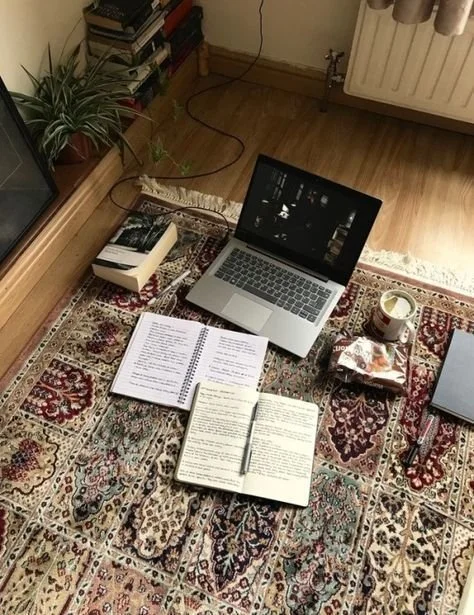
There is an aspirational undertone to the content, which romanticises school days past. Every year I witness the surge in ‘lock in’ content that promises to motivate the viewer to achieve all of their goals by the end of the year, and self-study curriculum content may be no different. Back-to-school season signals renewal, and the surge of optimisation and ‘lock in’ content shows a hunger for quick, efficient self-improvement. Self-study content somehow manages to be critical of elitist ideologies within the academic sphere whilst simultaneously replaying elitist fantasies of Oxford and Cambridge.
Dark Academia had its huge moment in 2024 as BookTok grew obsessed with The Secret History from 2023 onwards, and the internet is rife with aesthetic farming. People love the idea of being a reader, the idea of being an academic at a prestigious university, and we’re all simultaneously ignoring the barriers to access. The self-study curriculum carefully balances lifestyle branding with the social aspiration of increased wisdom and status, as though ‘the real you’, or ‘your higher self’, is destined for greater things than brainrot. Its creators polish the setting in which one becomes well-read, but in doing so miss the point altogether. In the end, who would you be if no one was watching?
Repackaged Productivity Culture
I’m old enough to remember the girlboss era, thanks to Nasty Gal’s Sophia Amoruso, who became the poster child of the epic productivity grind machine that took the feminine space by storm. I’ve watched countless ‘my 9–5’ and ‘my 5–9’ videos, meticulously edited timelapses of immense productivity unfolding before my eyes. Every single one of them featured the best desk setups, perfect workout clothes, long glossy hair washed with Quai shampoo (eucalyptus branch in shower, of course), and, finally, for some reason, always Gisou oils before settling into the cosiest bed you’ve ever seen.
I consider it comfort content, a kind of escapism. Viewers watch hoping, by osmosis, to find the energy for a second working day in late-stage capitalism. We all want to be ‘that girl’, but the cost of living crisis, the world being on fire, and an ongoing genocide make it pretty difficult to think.
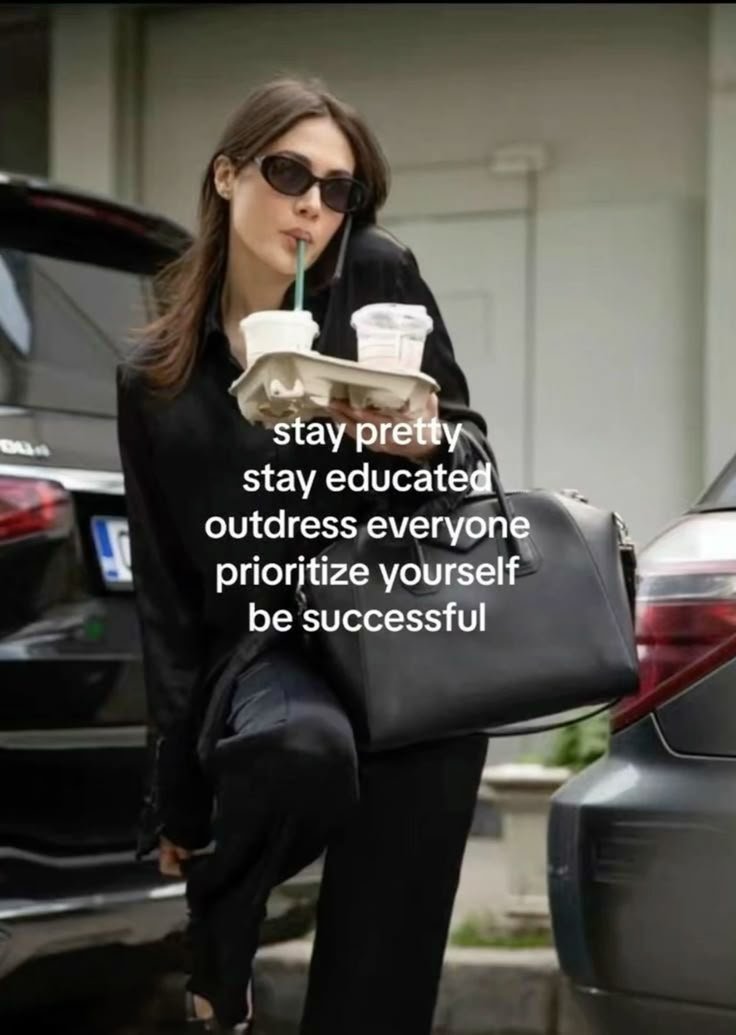
There’s a latent anxiety behind the content, as though if you don’t do these things then the world is leaving you behind and you’ll be swallowed by distraction and brainrot like all the other ‘sheep’. In the online sphere you can either be a ‘soft, feminine energy’ woman who lives a quiet life, or you can be this new, evolved version of the girlboss: ‘That Girl’.
A Curriculum of Content is Still Content
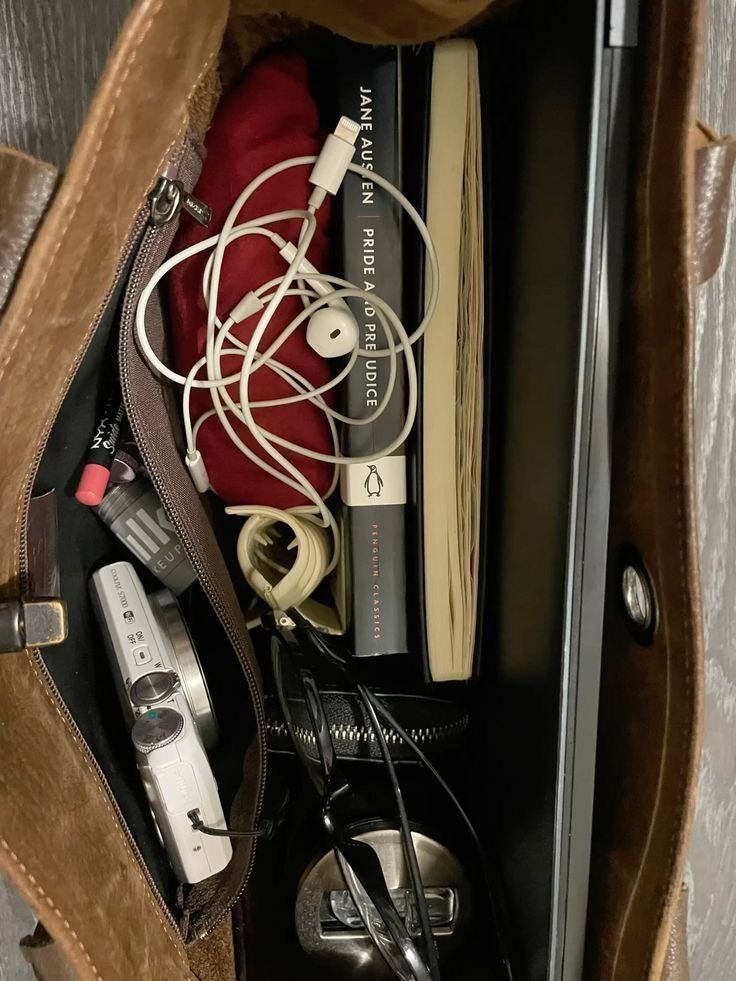
I love to read the comment sections of videos, and I find that the viewers of self-study content spend more time watching than they do studying. The performance of intellectualism becomes part of the curriculum itself. Whilst the trend aspires to be an antagonist to brainrot, it isn’t without its familiar tropes. You too can be this smart if you buy the right notebooks, highlighters, copies of Dostoyevsky and a pomodoro timer. There’s an element of commodification to self-study content, where popular creators will often monetise by selling Notion productivity templates or Patreon memberships (no shade), and it’s not lost on me that capitalism absorbs anti-brainrot trends all the same. The pursuit of knowledge is the marketplace of the season.
Users fall into meta-learning, studying how to study instead of studying itself. Performing intellectualism - using a syllabus to project authority - edges too close to personal branding.
The content machine is an algorithm. If you watch curriculum content, you will be recommended more of it, so the ‘curriculum’ is homogenised, which directly undermines the idea that you alone are in control of the content you consume. Podcasts, YouTube videos and Substacks give the illusion of study when packaged as lectures, but a true syllabus of learning involves testing that acquired knowledge. The best we can hope for is that the trend sparks a genuine curiosity in those that see it, and that we learn to be selective about the quality of content we consume.
The Wider Commentary
What I’m observing within this trend is a hunger for structure, for meaning, a yearning for something more to life than doomscrolling through ‘Labubu’ and ‘Get Ready With Me’ videos. Collectively, as consumers and users of technology, our brains are burnt out from constantly being sold to and our attention pulled in so many directions all at once.
There is something to be said about the community-building aspect of curriculum content, fostering a peer-to-peer intellectual culture where people feel a small sense of belonging in sharing their knowledge pursuits with others. The promotion of a self-designed curriculum creates a certain level of accessibility not previously available within the academic sphere, and it’s interesting to witness a more mindful approach to content consumption. I’m reluctant to praise any trend that implies that brainrot is also a form of moral decay, however.
In today’s technological landscape I’m inclined to support any actions that encourage personal autonomy in the content we consume, and it’s my hope that this won’t just be another ‘Project Pan’ or ‘No Buy’ trend where people shift from one extreme to another with no long-term results. After all, self-study requires a profound amount of discipline, and whilst I do think this discourse is helpful to some, unless you can cultivate a permanent willingness to learn, we will be back down the doomscroll rabbit hole in no time.
Some of the Content In Question:
Self Education: Your Best Defense Against Brain Rot
Structure Over Chaos | How to Self-Learn Like a PhD Student
How to Build an Intellectual Life
To Make You Smarter series by Milkfed
The problem with your monthly curriculum
Finding the Best (free) Resources for Your 2025 Self-Study Goals