
Collection Review: ‘Work in Ruins’ by Designer Yuval Sorotzkin
Yuval Sorotzkin’s Work in Ruins collection focuses on how garments are built, pulling internal construction into full view. Corsetry, exposed boning, and fragmented tailoring are left visible, shifting attention from surface perfection to the artisanal structure behind her work as a designer.
Pattern pieces are cut, repositioned, and pieced back together to form silhouettes that feel slightly unsettled and intentionally rough around the edges (literally). Seams, supports, and raw edges are not cleaned up or hidden. They remain part of the final garment, presenting each piece as an intimate look into the methodology behind so many of fashion’s most coveted silhouettes.
Draping plays a central role in shaping the collection. Fabrics are guided into place through handling and adjustment, allowing irregularities to remain. Sorotzkin keeps her process visible in the outcome with garments carrying traces of how they were made.
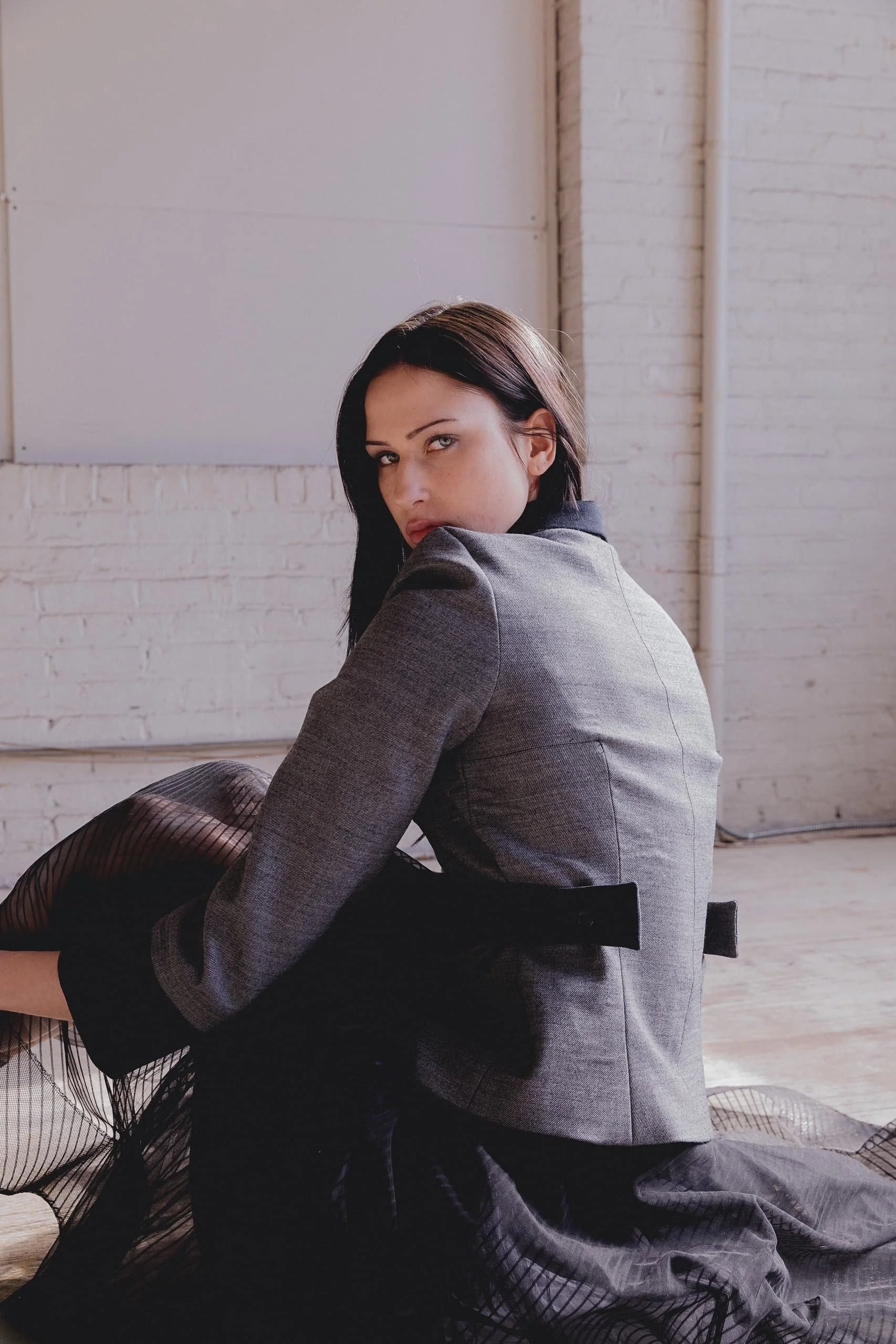
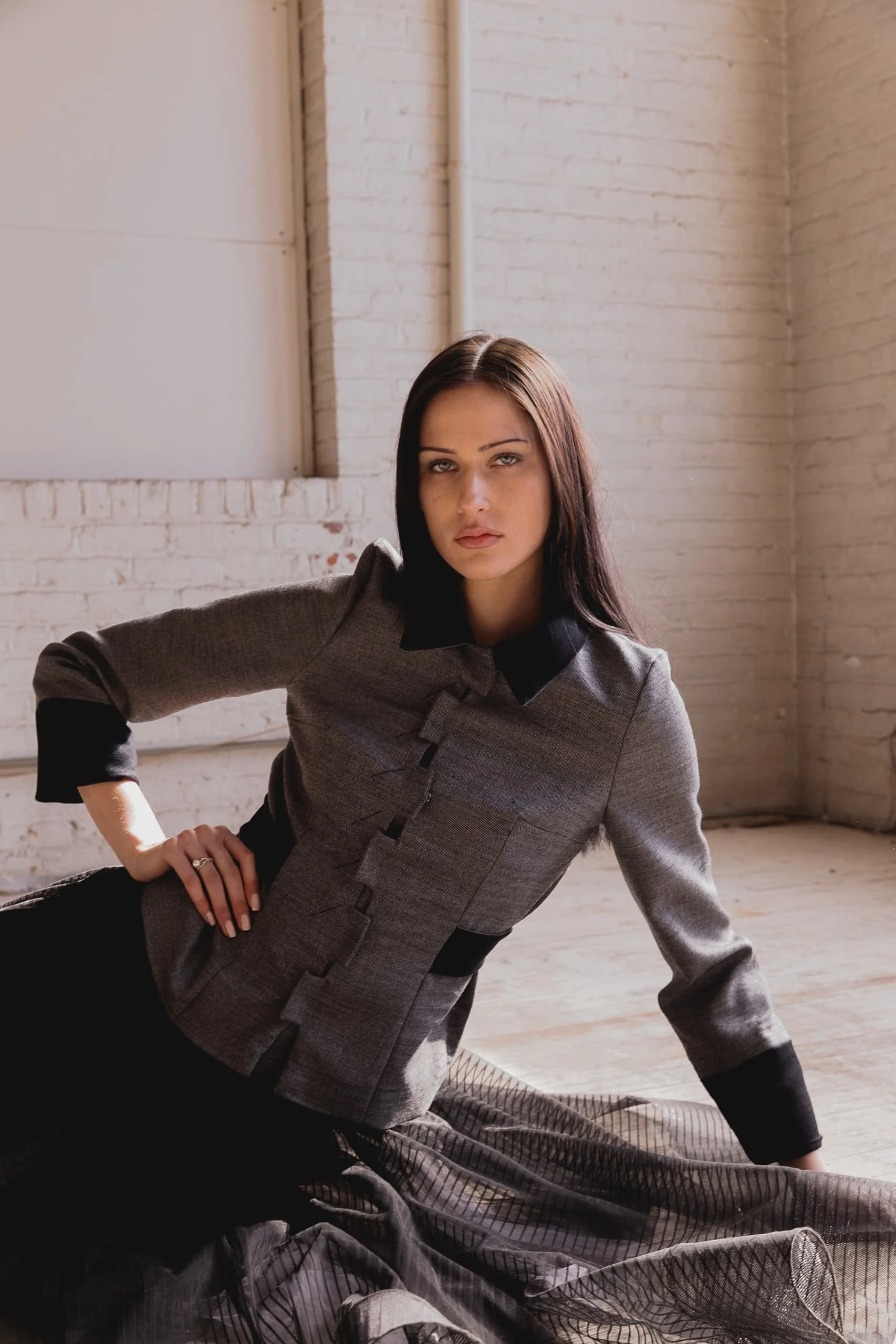
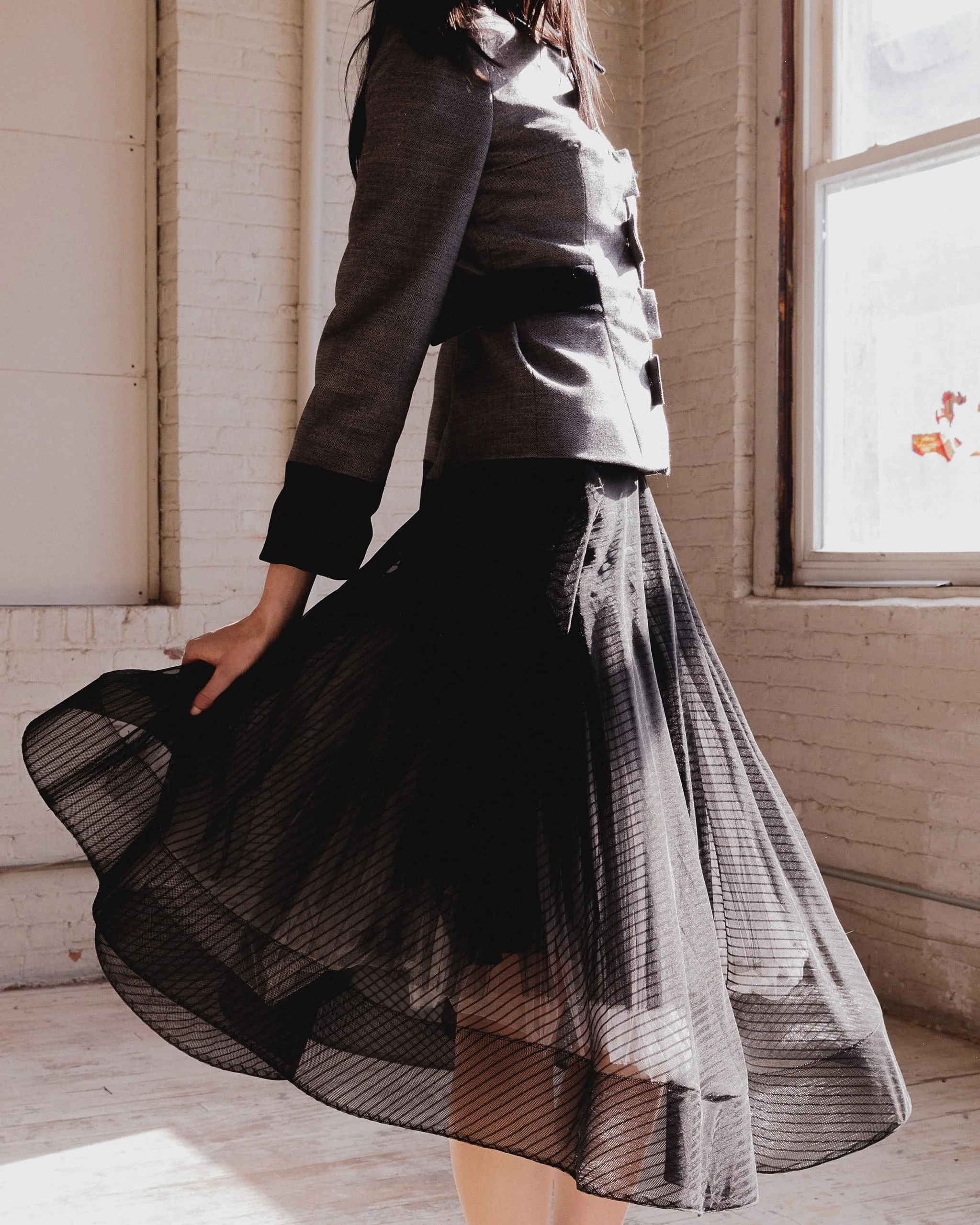
Across the four key looks, to us there is a deliberate mix of workwear and eveningwear codes. Structured tailoring anchors the collection, while lighter elements introduce movement and softness. A sharply cut jacket, defined by strong shoulders and clean geometry, sits over layered tulle that shifts beneath it with fluidity. The combination expands the silhouette without losing its precision, allowing multiple references to exist within a single look.
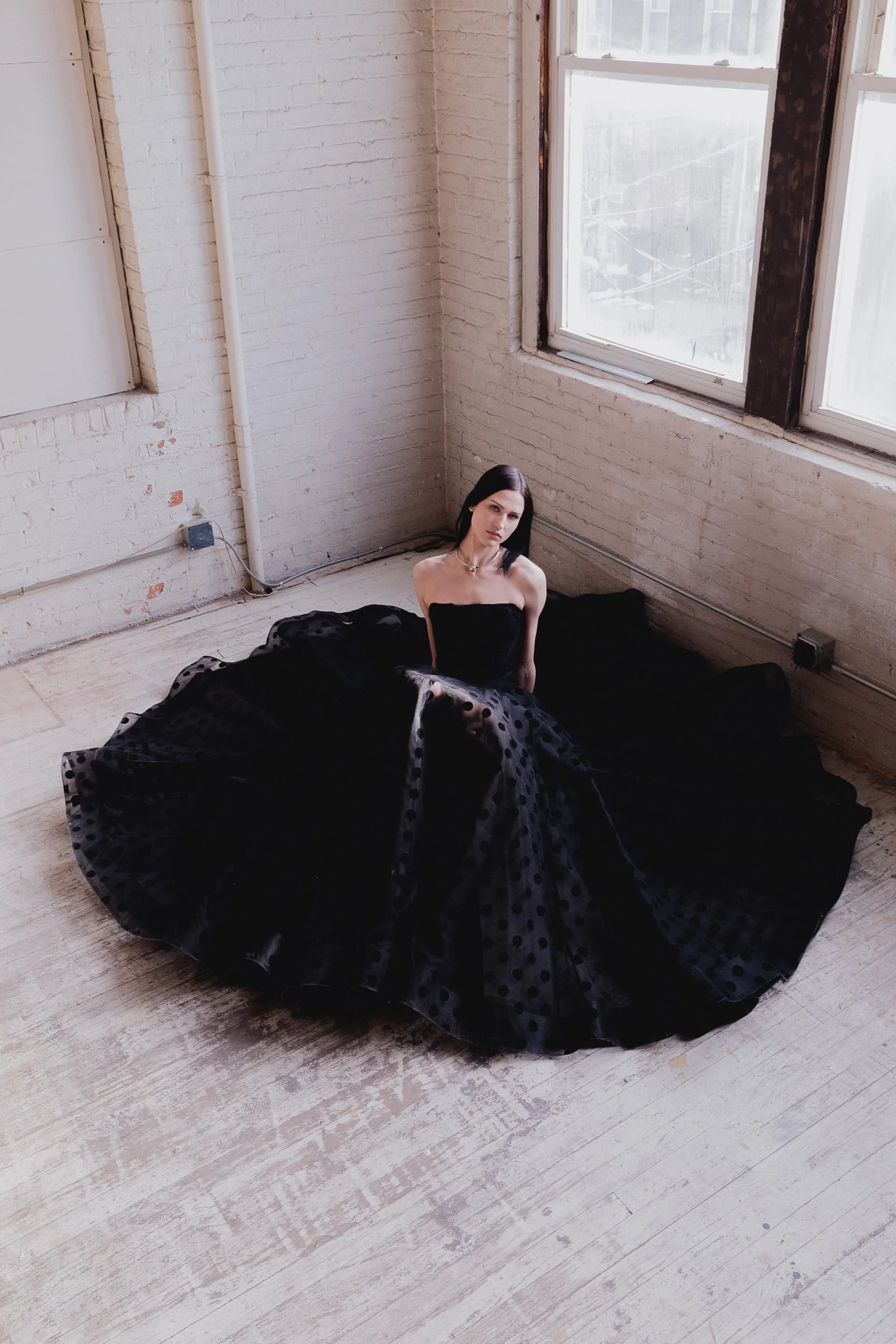
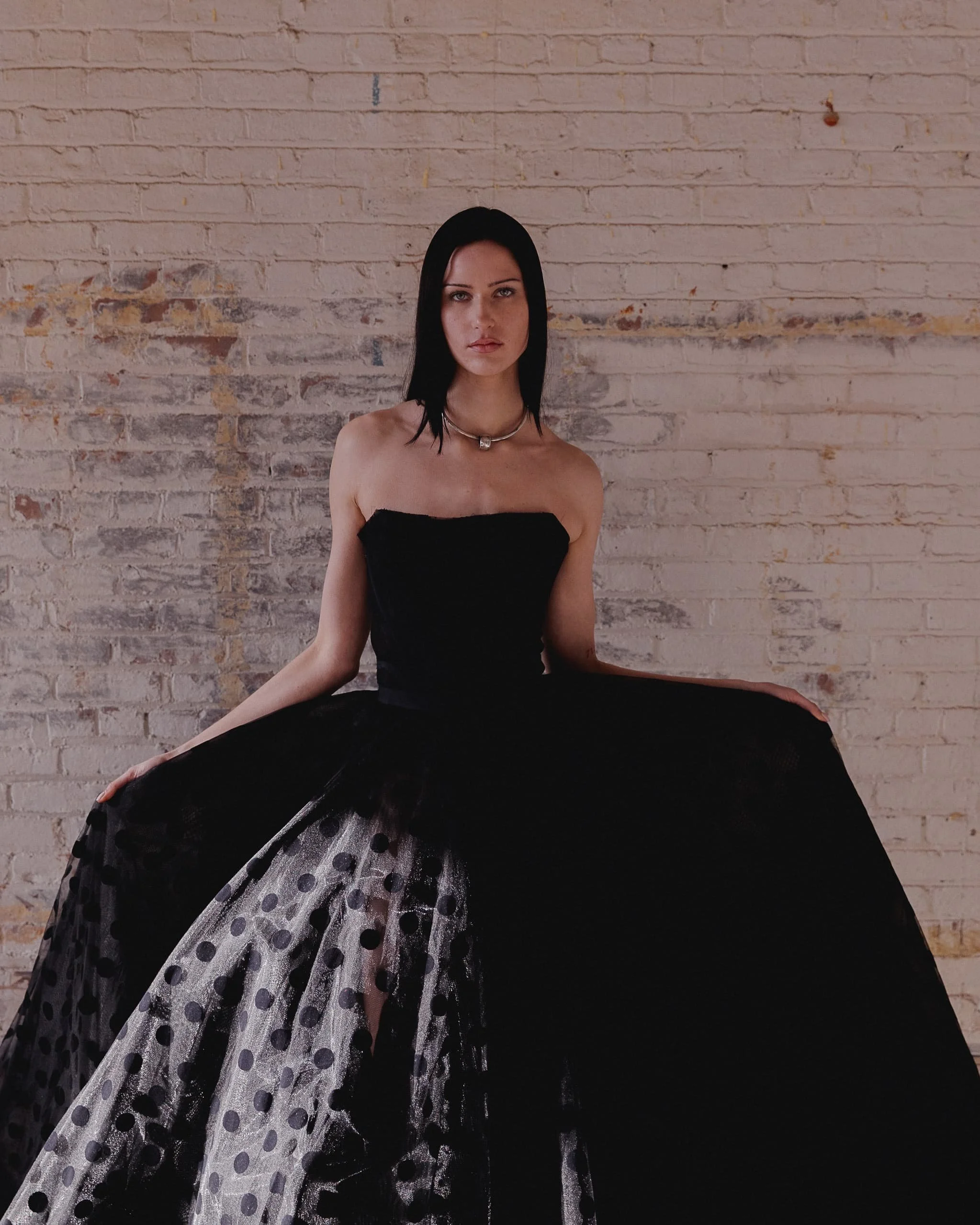
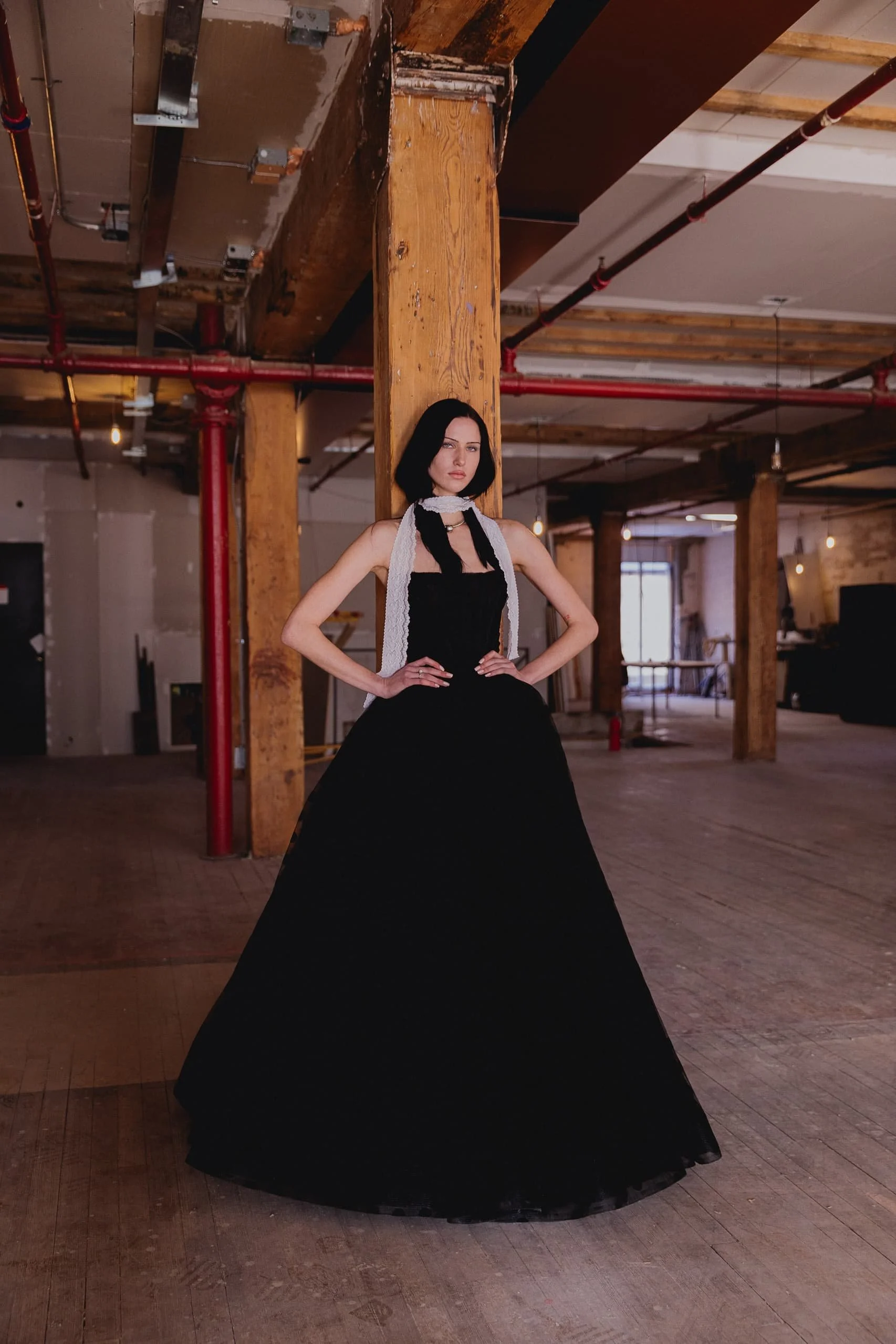
There are subtle echoes of fashion history, which we think is an interesting facet of this collection. When a designer makes a line that explores the full process of making clothing, it’s natural that we would see small snippets of fashion history throughout the designs. A voluminous black polka dot dress, built through layered tulle, carries the presence of classic couture and recalls Givenchy in its scale and drama. Elsewhere, such as in the below grey look, distorted shaping and altered proportions bring to mind Rei Kawakubo (especially their ‘Lumps and Bumps’ collection from SS97.)
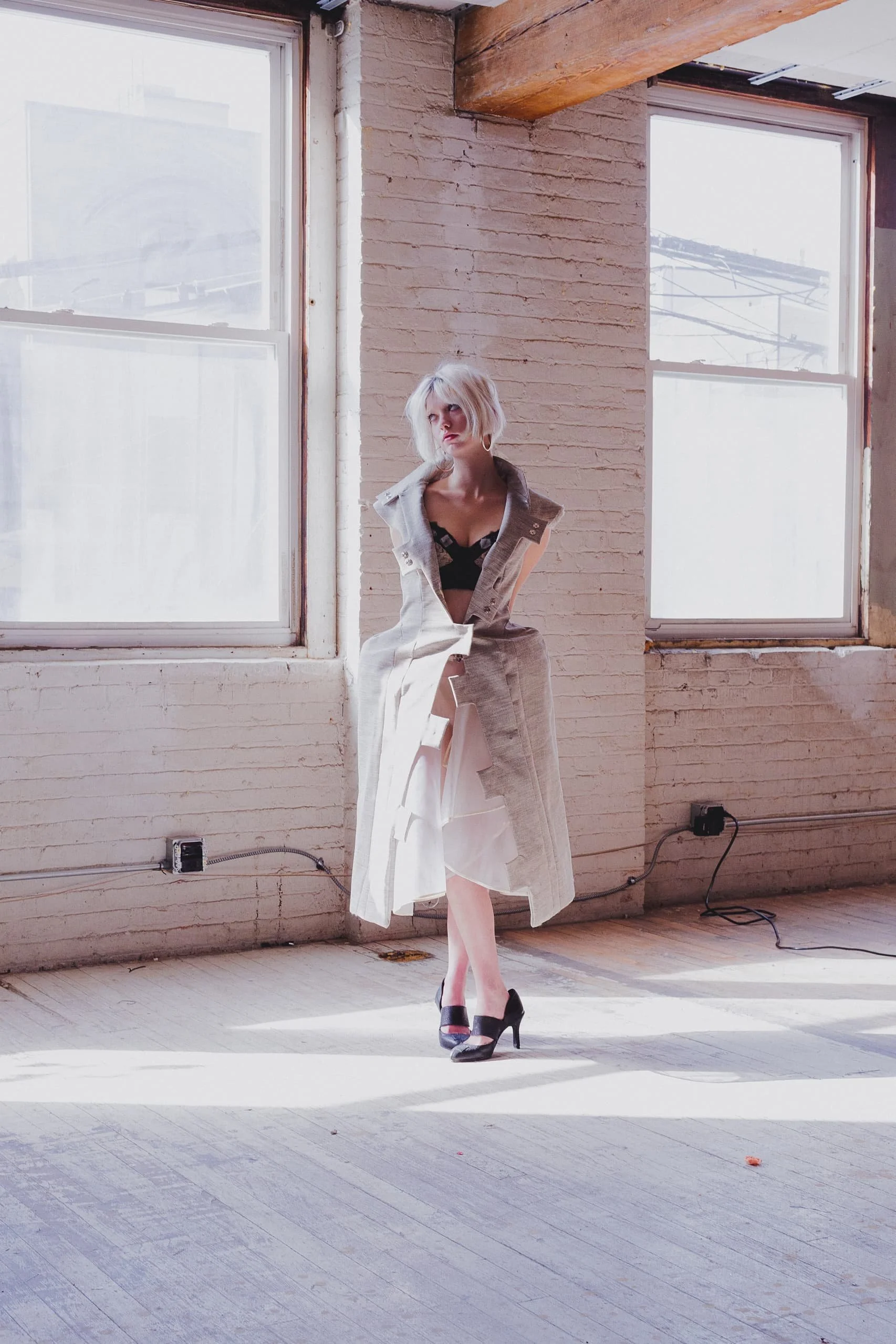
The coat-dress hybrids stand out. This grey look, paired with white skirt elements, moves between opacity and transparency through layered fabrics. Matte surfaces sit against sheer sections, and the structure holds its form while still allowing movement. The garment resists easy categorisation, maintaining a sense of instability that runs throughout the collection. Yuval has explored the theme of deconstruction and reconstruction thoughtfully in her fabric choice, with materials used being notoriously difficult to work with and combine, at times.
Seams and central closures become key visual features. Their placement suggests repair, with stitching that feels deliberate and exposed. There is a sense that the garments have been opened up and reworked, leaving visible traces of that process. What came to mind for us when viewing these iconic centre-fronts were the old school Frankenstein stitches you would see in cartoons. We’re unsure if it was intentional but we loved the disjointed, geometric approach to a centre-front.
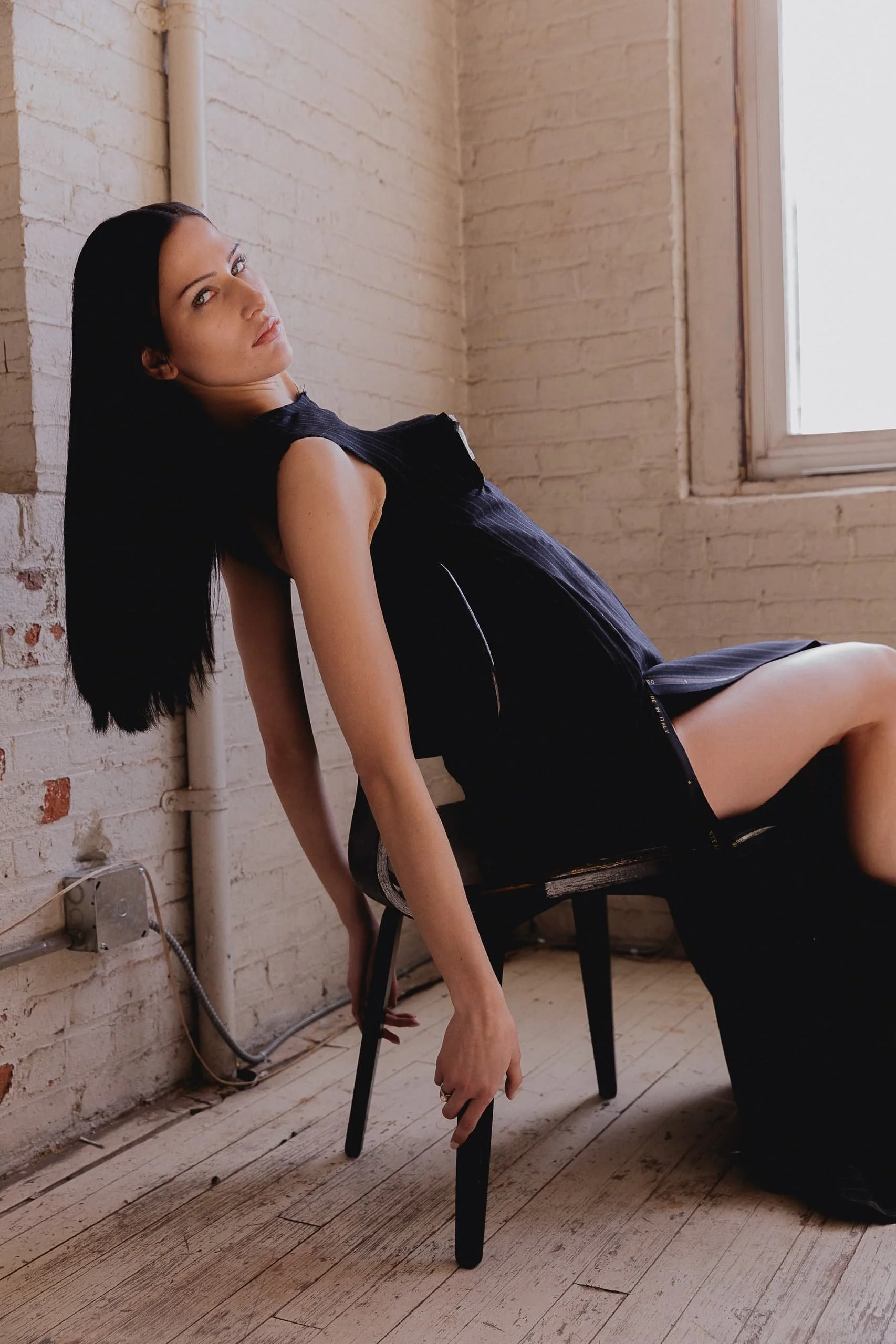
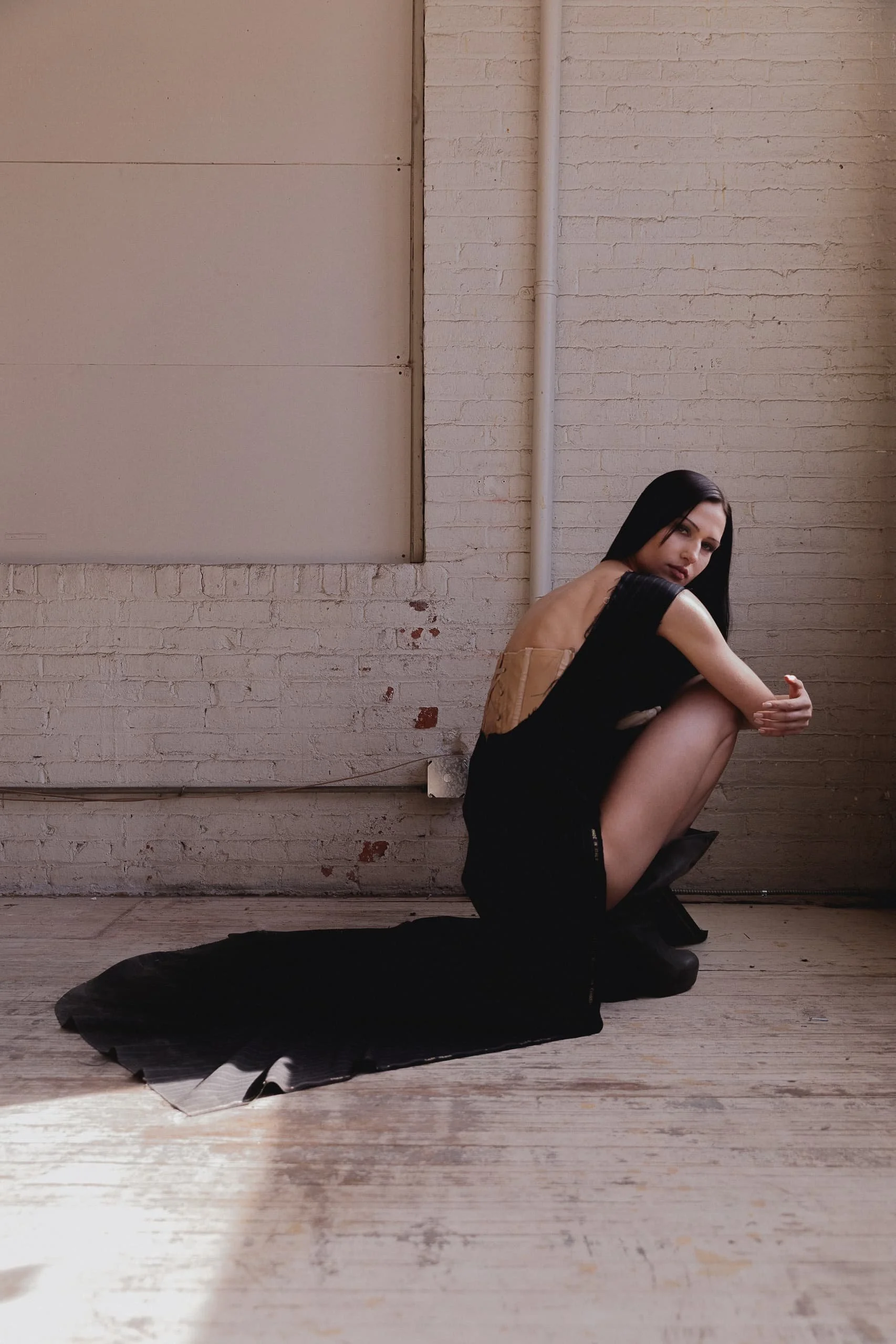
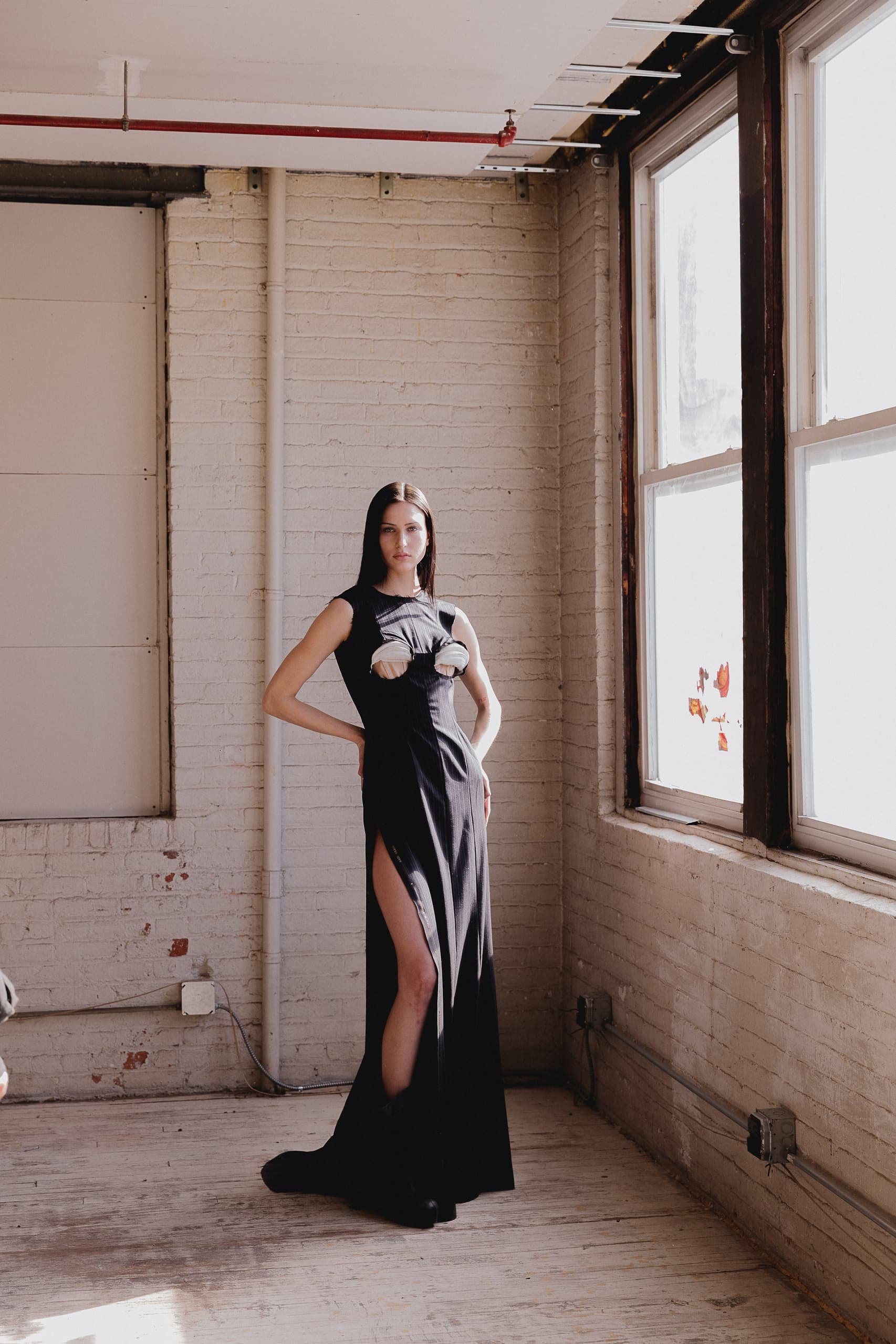
The pinstripe fitted dress remains the strongest look. From the front, it holds a controlled silhouette, while the back introduces raw-cut edges that fall loosely down the body. A nude corseted structure is clearly visible beneath, bringing the internal framework into focus. A ‘Made in Italy’ ribbon runs along the side and up the wearer’s leg, left fully exposed, reinforcing the presence of construction within the final piece and comes across like a humorous nod to making the invisible characteristics such as labels an externally visible feature of the clothing. We love the exposed breast, with the bustier visible through the ripped holes on the bodice, and the low back that scoops to the waist of the model, revealing a stunning, meticulously made nude corset.
There is a clear decision to leave elements unresolved that not many designers can pull off without making it look overplayed or worse - just unfinished. The garments retain marks of their making in conjunction with high quality tailoring, which gives them clear intention and legitimacy as a design choice. In a moment where AI-informed visual culture leans towards polish and uniformity, this emphasis on process feels grounded and intentional. The work holds onto irregularity in a way that makes the viewer appreciate the subtle imperfections of everyday fashion, but within a high fashion context.
Our Verdict
Work in Ruins is a stunning collection for anyone who wants to go against the grain of high fashion expectations. Sorotzkin prioritizes high quality methods of construction without sacrificing any elements of what makes pieces like these desirable. If you love gorgeous clothing, made by independent designers, you’ll love Work in Ruins.
The collection is on the smaller side, but it’s apparent that Sorotzkin is the type of designer who prioritises quality over quantity, and is likely to become the type of designer who doesn’t try to cater to any average consumer. She’s the type of designer who knows herself well, and knows which visual cues to really lean into when creating her own brand identity that’s recognisable to others. It’s qualities like these that build the foundations of the great and we’re excited to see what she develops next.
To see more: http://yuvalsorotzkin.com/
Image Credits:
Fashion Designer: Yuval Sorotzkin
IG: yuval_sorotzkin
WB: https://yuvalsorotzkin.com/
Casting Director: Ronnie
IG: ohmygodrawni
Female Model: Grace Taylor
IG: grracetaylorrr
Female Model: Coral Day
IG: coraldayy
WB: coraldayy.com
Producer: Cameron Noble Irish
IG: cameronirish
Production Lead: Tula Debaer
IG: tulafaye_
Photographer: Cameron Smith
IG: c______s_____
WB: www.csmith.art