
28 Years Later: The Bone Temple Review – Humanity, Horror and Blind Faith
Words: Arête Noctua, Film Features Editor & Writer @ Féroce Magazine
Twenty-three years after Danny Boyle and Alex Garland originally introduced the infected onto mainland Great Britain, the duo finally returned with a new entry in the series in late 2025 with 28 Years Later. Boyle and Garland continued their tradition of injecting their collaborations with the innovative, surprising, poignant, and the absurd. The choice to end the film with the surreal introduction of Jimmy Crystal and his cult of Jimmys was a startling change in tone, thus setting the scene for the sequel, released a mere six months later.
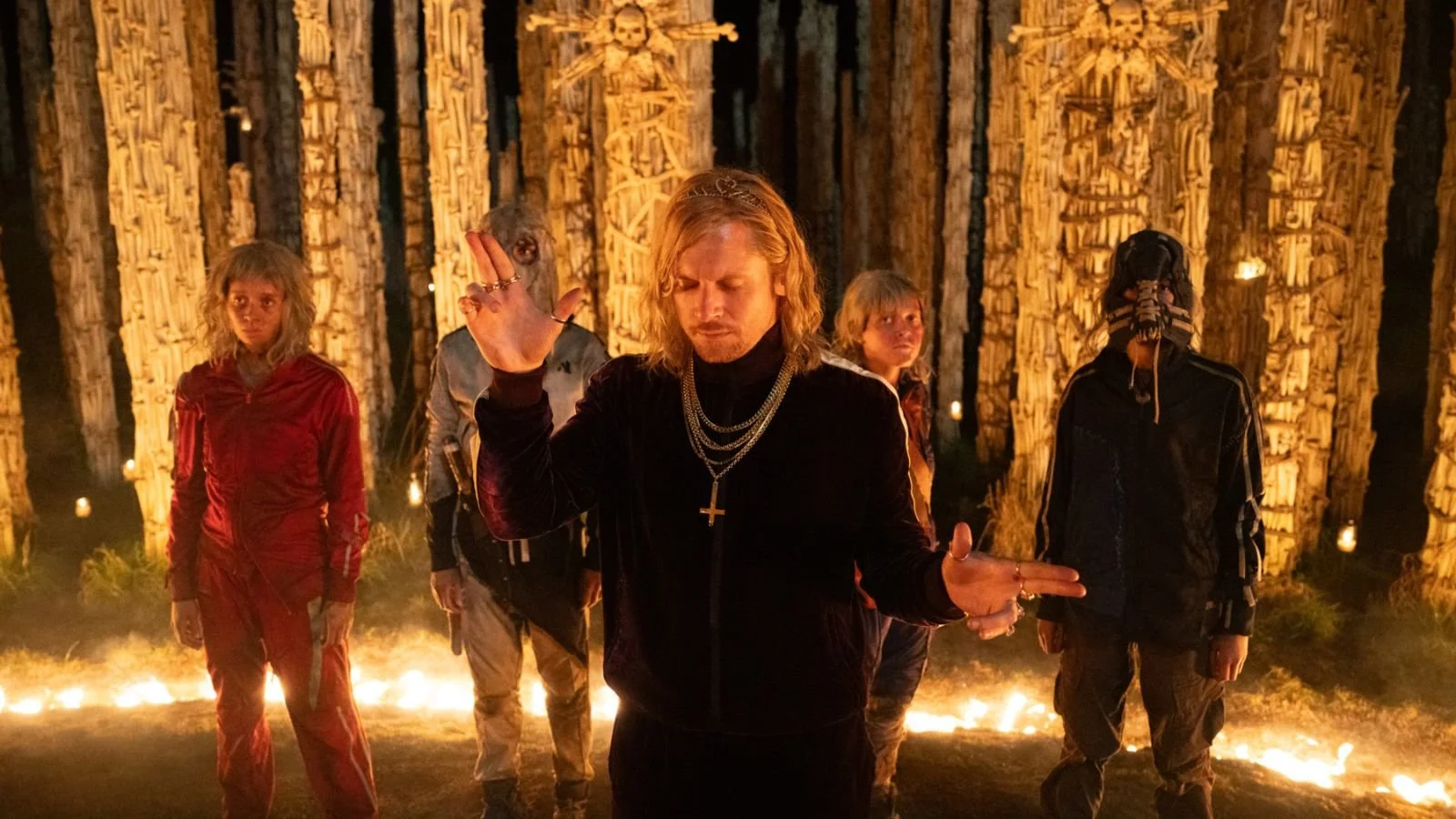
The Bone Temple picks up immediately after 28 Years Later’s story ends. We rejoin Alfie Williams’ Spike as he is forced by Jimmy Crystal, spectacularly portrayed by Jack O’Connor with an almost innocent childishness that can instantly turn into calculated, cold viciousness, to fight for his life and a place in the gang as another Jimmy.
Nia DaCosta took the directorial reins from Danny Boyle for this entry in the series, using a more grounded, traditional, and visceral lens than Boyle’s frenetic and abstract style in 28 Years Later. Garland has previously shown an uncompromising approach to violence in his work, and The Bone Temple is a prime example. From the moment the film starts, you are thrown into a cold brutality that is aggressive and defiant towards the audience. DaCosta does not shy away from shooting it as such, using a steady hand to show just how much we should fear the brutality of other people rather than the infected.
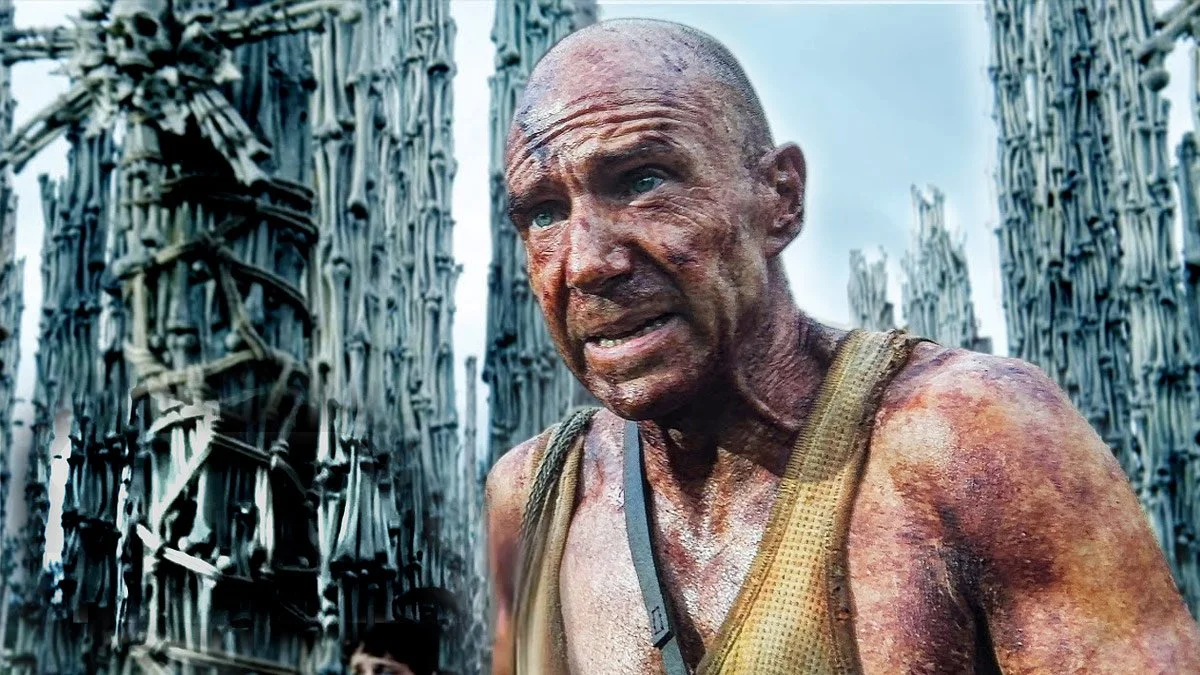
After these initial harrowing scenes, the film settles into a gentler cadence, allowing brief relief. However, these early horrors cleverly hang over the entire experience. You are plagued with anxiety, dread, and a constant awareness of the gang’s apathy towards committing the very worst violence, often taking glee in the game they have made of it. You never forget that at any time, without thought, they could commit horrendous acts against whoever they encounter. Their lack of compassion towards others is a more profound terror than anything the infected can offer. At least the infected do not revel in it.
There are moments of genuine and tender beauty that sit starkly against the horror of Jimmy Crystal and his followers. The very human silliness and joy that we somehow pull out of ourselves in the worst moments. Ralph Fiennes is, as ever, transcendent, returning as Dr Kelson and standing as a sharp counterpoint to the brutal, gleeful cruelty of the Jimmys. His relationship with the infected Samson, and his curiosity, gentleness, and compassion, offer a comforting contrast and a safe haven.
DaCosta feels like the correct choice in showing the audience that this is a very different and much more visceral film than the previous entry. Her stylish and creative eye towards horror, and her tender and joyful one towards beauty, help carry the opposing tonal shifts, allowing them to sit together naturally. Her meditative, clean, and considered style is beautifully utilised.
The Bone Temple is first and foremost about humanity. Our agonies and ecstasies. The nature of kindness and cruelty. Of blind faith and misplaced hope when facing a world that we do not understand and that terrifies us. How that faith can be used to justify great horrors. How, through true compassion and the rejection of fear, we relearn what it is to be the best of ourselves. The Bone Temple is deeply unsettling at times, often showing us the very worst of what we can be. In other ways, it is also full of transcendent, loving hope. A deeply philosophical meditation on who we are, and all that we can be.
Our Conclusion
A triumphant and sumptuous addition to the series, The Bone Temple follows the thread of using the landscape of infected Britain to tread into strange, unsettling, and often profound places. It is a film unafraid to take creative risks, shifting tone and perspective to interrogate power, belief, and the fragility of humanity itself. What emerges is a masterfully tense and well-paced work that refuses complacency, demonstrating just how much innovation is still possible within the subgenre when filmmakers are willing to challenge expectations and embrace discomfort.